Nike Is Innovating Fashion Retail: A Case Study of Immersive Experiences Through Holographic 3D with HYPERVSN 

Exploring how retail innovation enhances customer experience and gives Nike a competitive edge. 

OVERVIEW

Case Study Summary

Client: Nike Industry:  Fashion and Retail 
Challenge: Remaining ahead of the curve in innovation and reflecting this across in-person touchpoints.
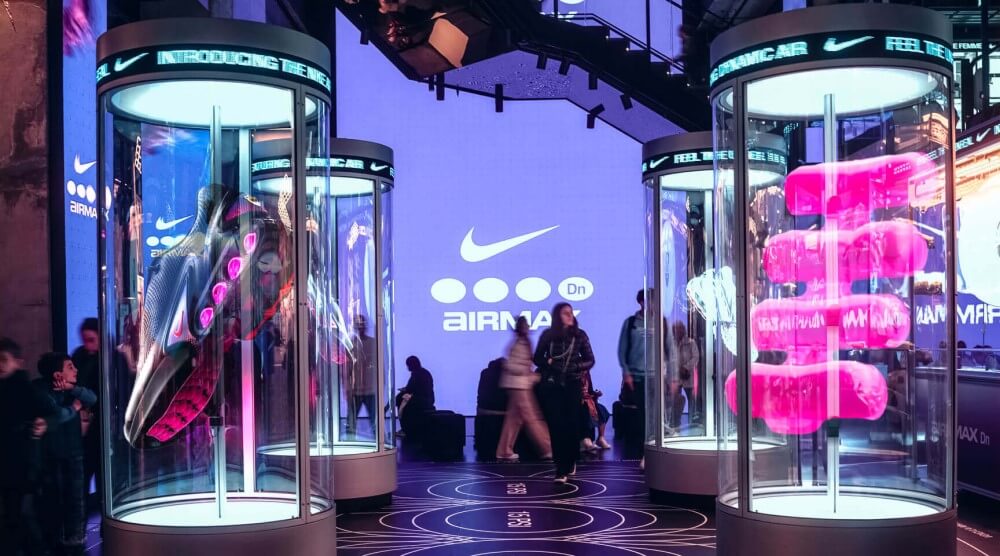
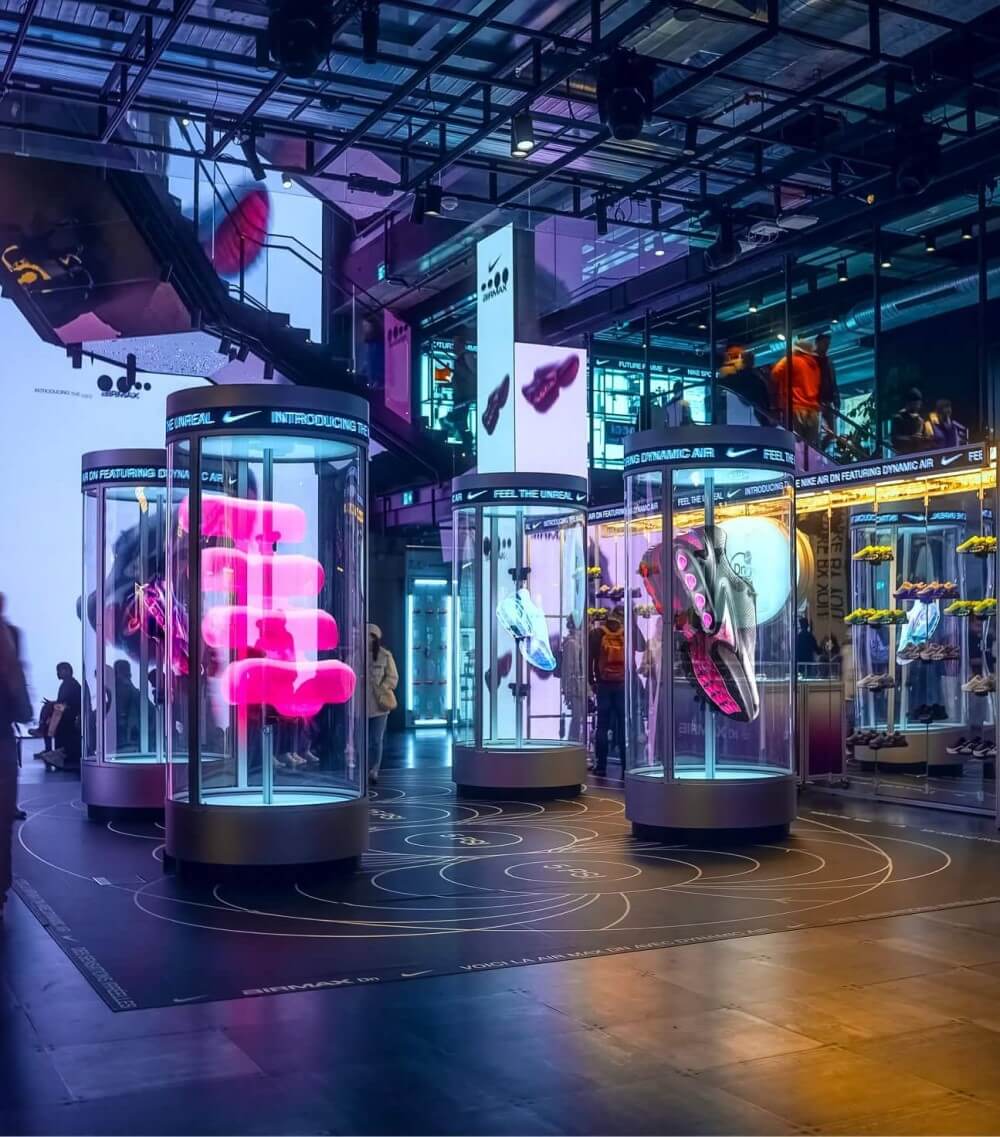
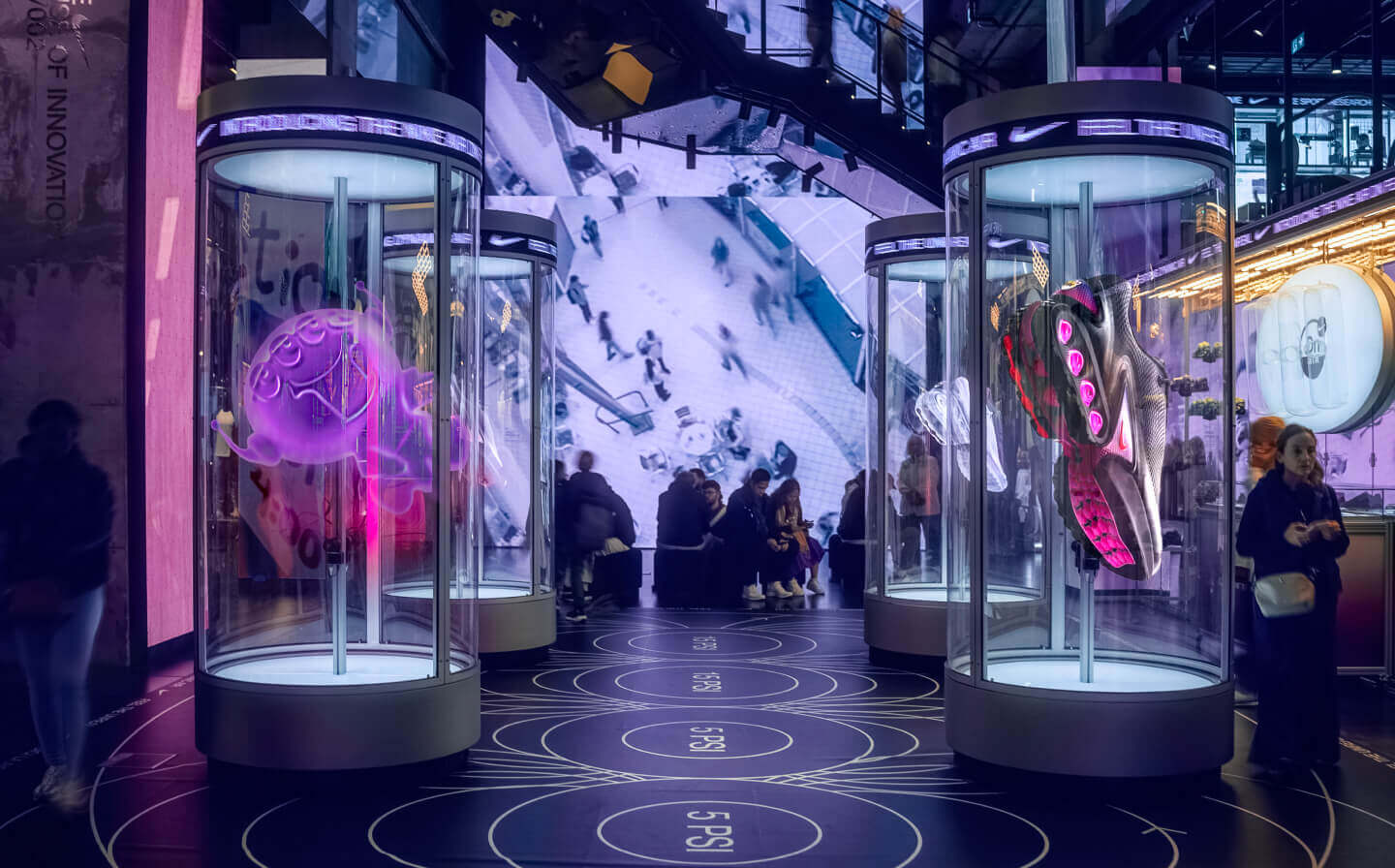
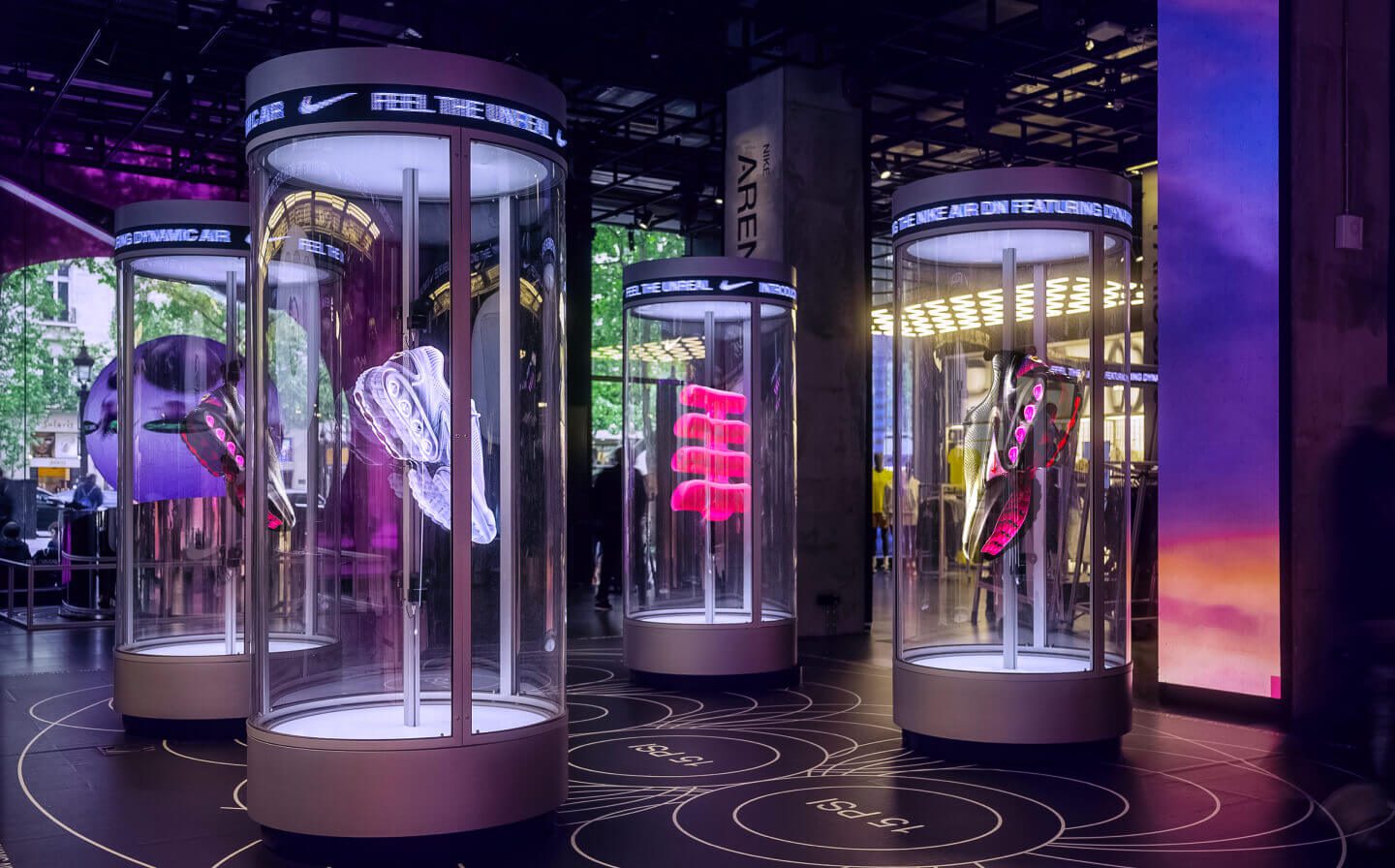
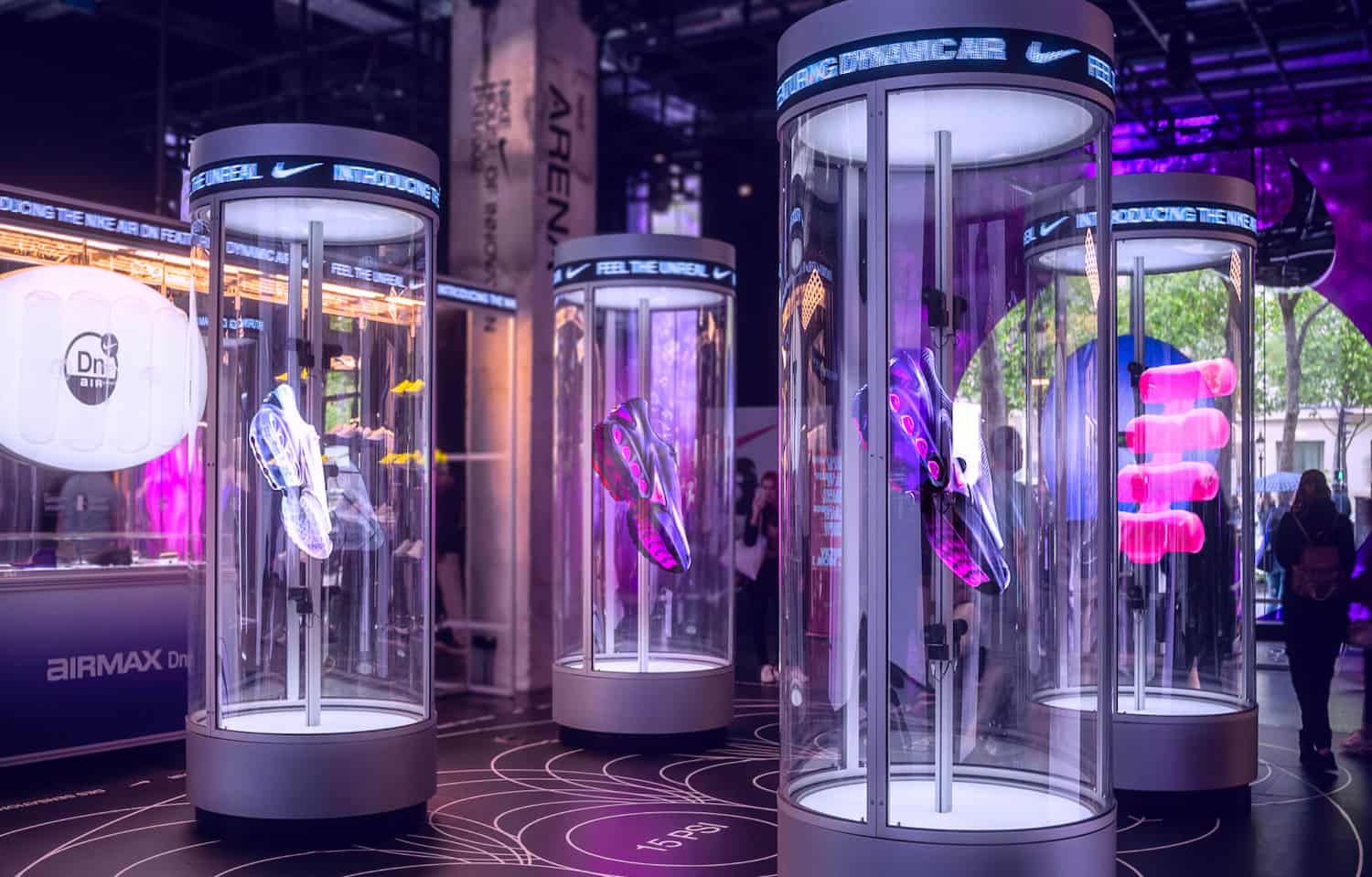
Solution: Research shows that immersive in-store experiences elicit positive emotional reactions, boost engagement and drive retail sales. Nike opted for four holographic walls in Prime accessory, with content that augments physical retail stores.

Key Outcomes


An attention-grabbing immersive experience that boosts customer engagement offline and online. 

A standout campaign that pushes the boundaries of retail innovation. 

NIKE

About the Client

Country & Region

Nike is a truly global brand, born in the USA and now recognised in every corner of the world. They have 1,000+ stores worldwide, with key markets in the U.S. and China. This case study focuses on their House of Innovation in Paris.

Sustainability

Nike has been recognised for its transparency in sustainability practices within the fashion industry. The brand successfully reached its goal of powering 100% of its owned-and-operated facilities with renewable electricity in North America and Europe. 

Market Position & Scale

Nike was originally founded as Blue Ribbon Sports on January 25, 1964, then rebranded in 1971, named after the Greek goddess of victory. Nike became the world’s largest athletic apparel company, with revenue exceeding $50 billion in 2023. 

01. CHALLENGE

Competitive Edge Through Customer Connection

Nike focuses on customer relationships to enhance brand loyalty and retention. Beyond selling products, they are building community, and it shows through the way customers – or rather, fans – engage. The ‘Just Do It’ slogan, launched in 1988, and Nike’s storytelling have formed deep emotional connections with consumers, positioning the brand as a symbol of aspiration. Nike has cultivated sneaker culture and community through limited-edition releases and collaborations, fuelling a multi-billion dollar resale market. In addition, the much-loved brand has taken stances on social issues, exemplified by its 2018 campaign featuring Colin Kaepernick, aligning Nike with younger consumer values.
Pain Point: The Nike brand has been built on lasting customer relationships. The in-store experience must maintain this element of connection and authenticity while utilising innovative approaches to enhance customer experience.

Implementing futuristic tech without losing the ‘soul’ of the brand

Taking a phygital approach, where tech augments the physical environment 

Competitive Edge Through Customer Connection
02. CHALLENGE

Innovating the Retail Experience 

Nike’s commitment to innovation has contributed significantly to its competitive advantage in the athletic footwear and apparel market. Their innovation strategy includes developing new technologies and materials for products. For example, Nike Mind 001 and 002 are the first neuroscience-based footwear using sensory stimulation for athlete focus, launched in January 2026. Nike’s innovative approaches have allowed it to expand its market and create new product lines – but it goes far beyond product development. Nike leads with innovation in every area; from marketing to merchandising. Nike’s landmark signing of Michael Jordan in 1984 led to the creation of the ‘Air Jordan’ brand, which transformed athlete partnerships. This is just one example of market leading innovation that goes beyond products.
Pain Point: Nike incorporates innovation into its product development to enhance performance and meet customer needs. Therefore, any innovation in the retail space must achieve the same outcome. There’s no room here for innovation for innovation’s sake.

To maintain competitive edge, innovation must be based on consumer behaviour and market trends

Retail innovation must genuinely enhance the in-store experience

Innovating the Retail Experience
The Solution

How Industry Leaders Innovate

Nike’s retail strategy includes a strong emphasis on marketing and promotional activities to attract consumers. Research from the University of Bath found that product-focused holograms can drive sales up by 62% compared to traditional displays. 

Why HYPERVSN?

Nike chose the market leader in immersive experiences powered by 3D holography. 

Hardware Configuration

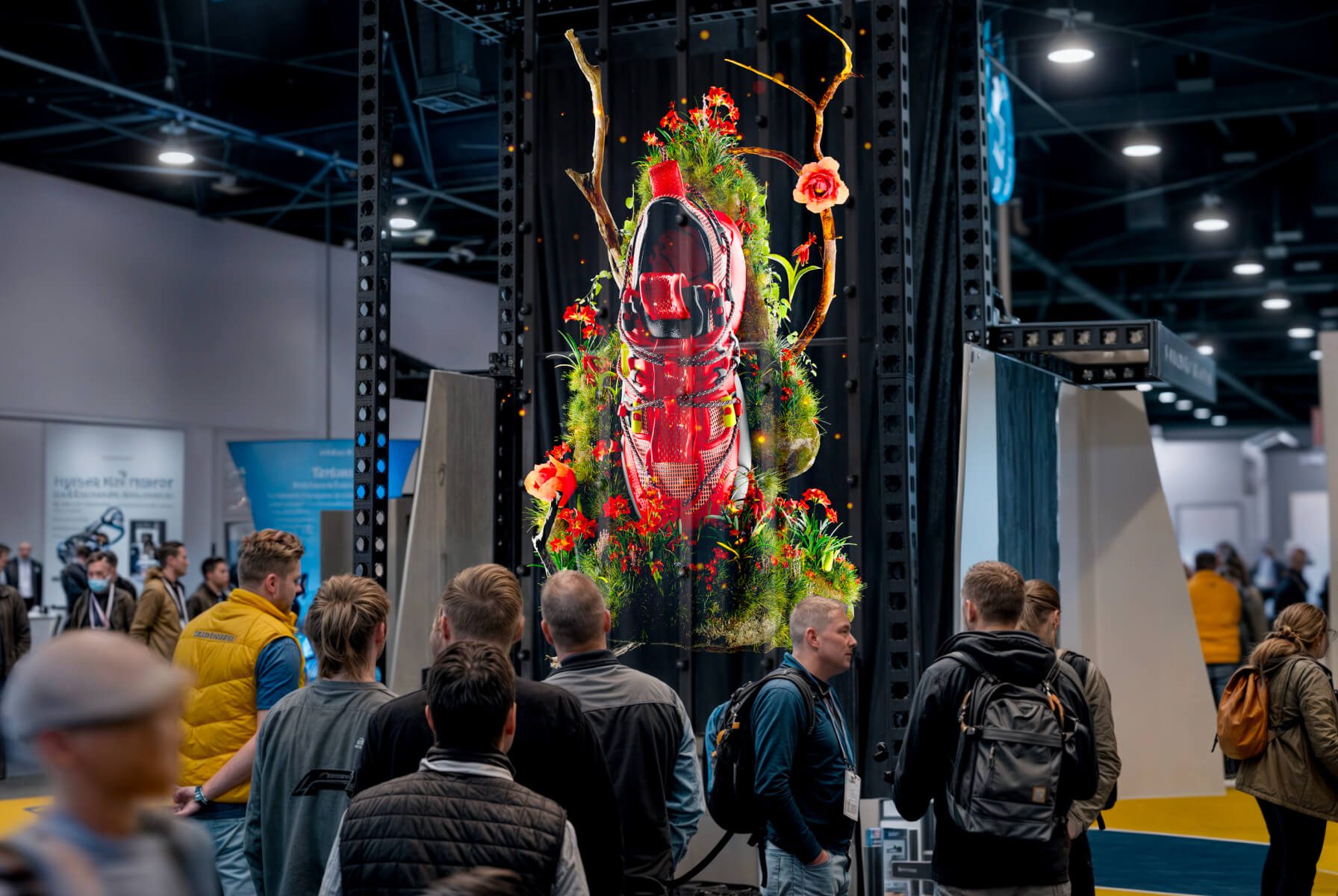
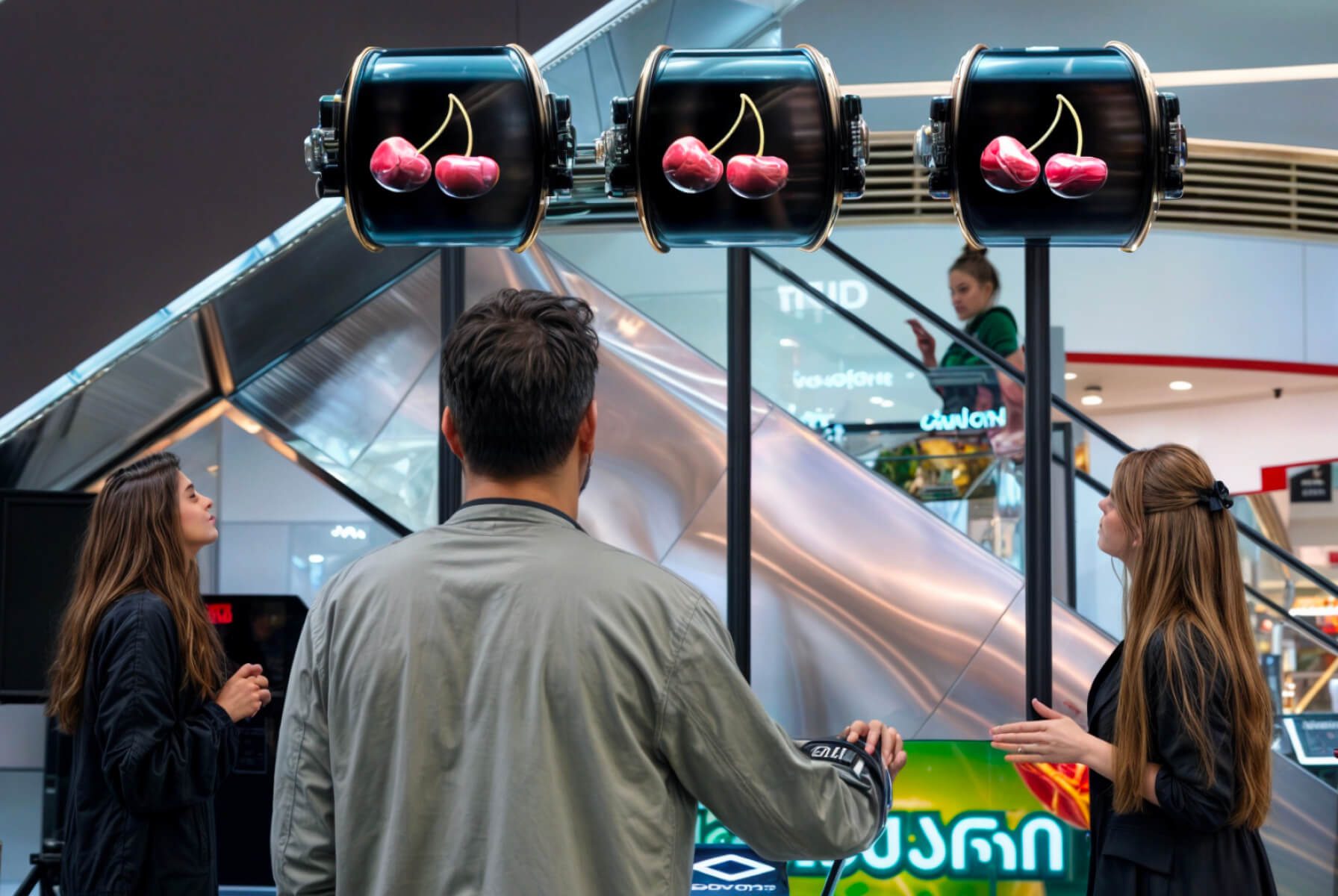
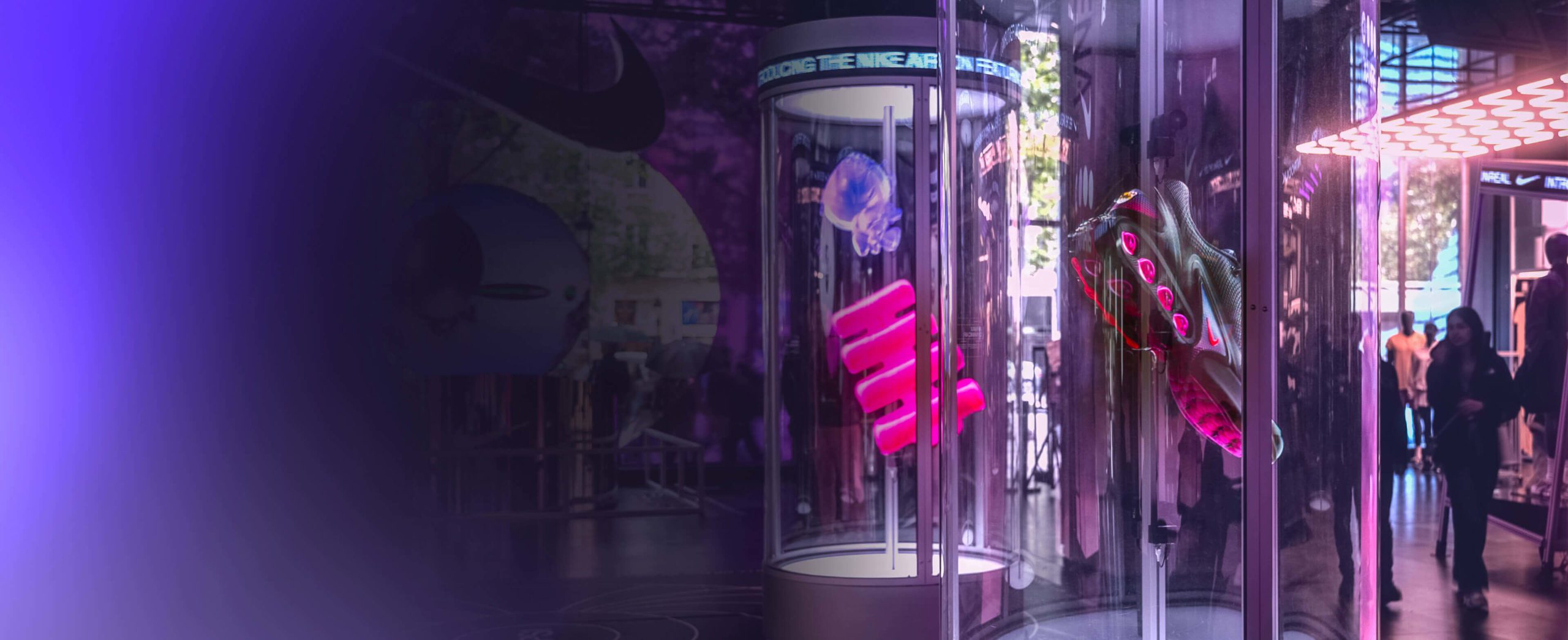
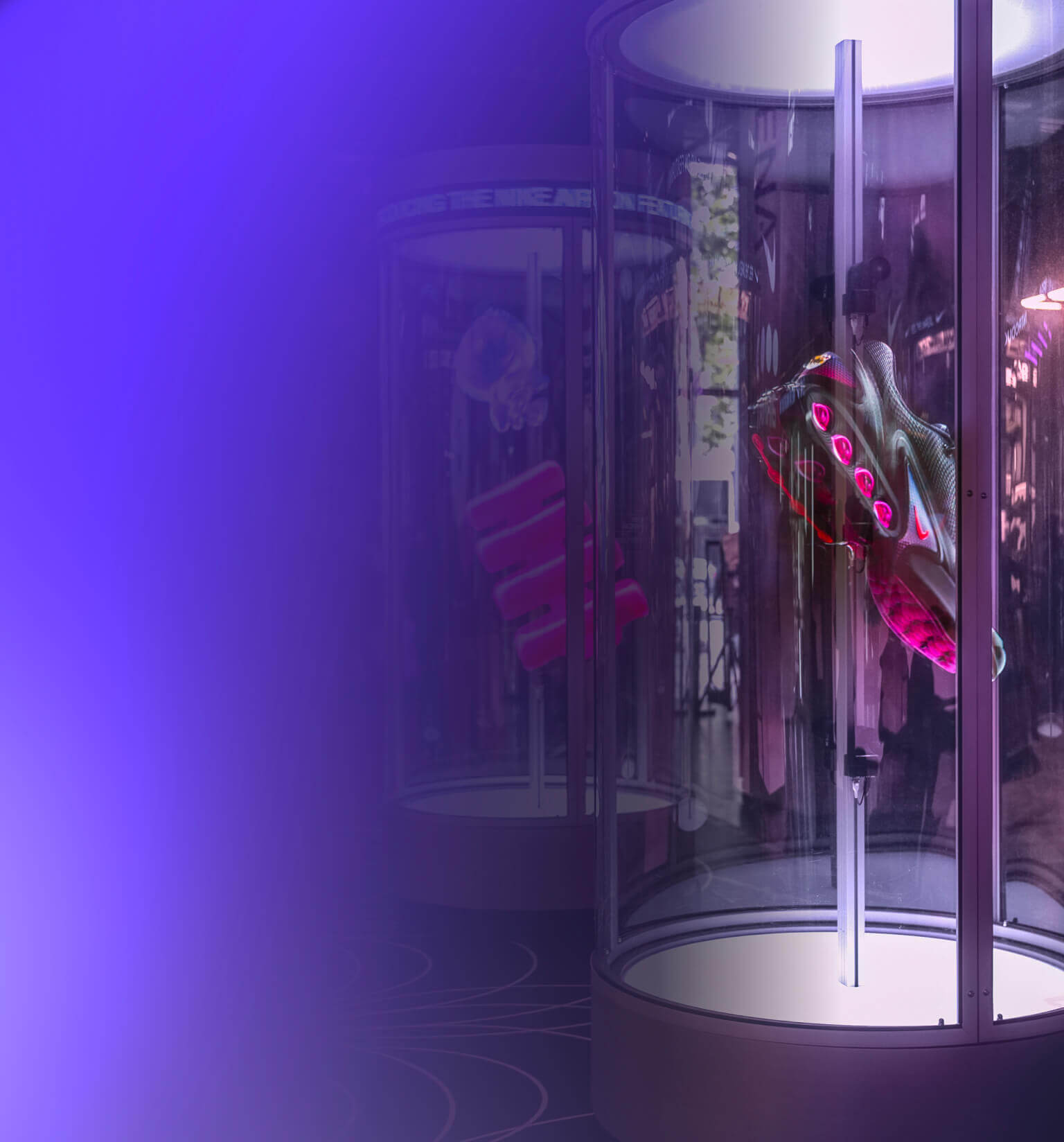
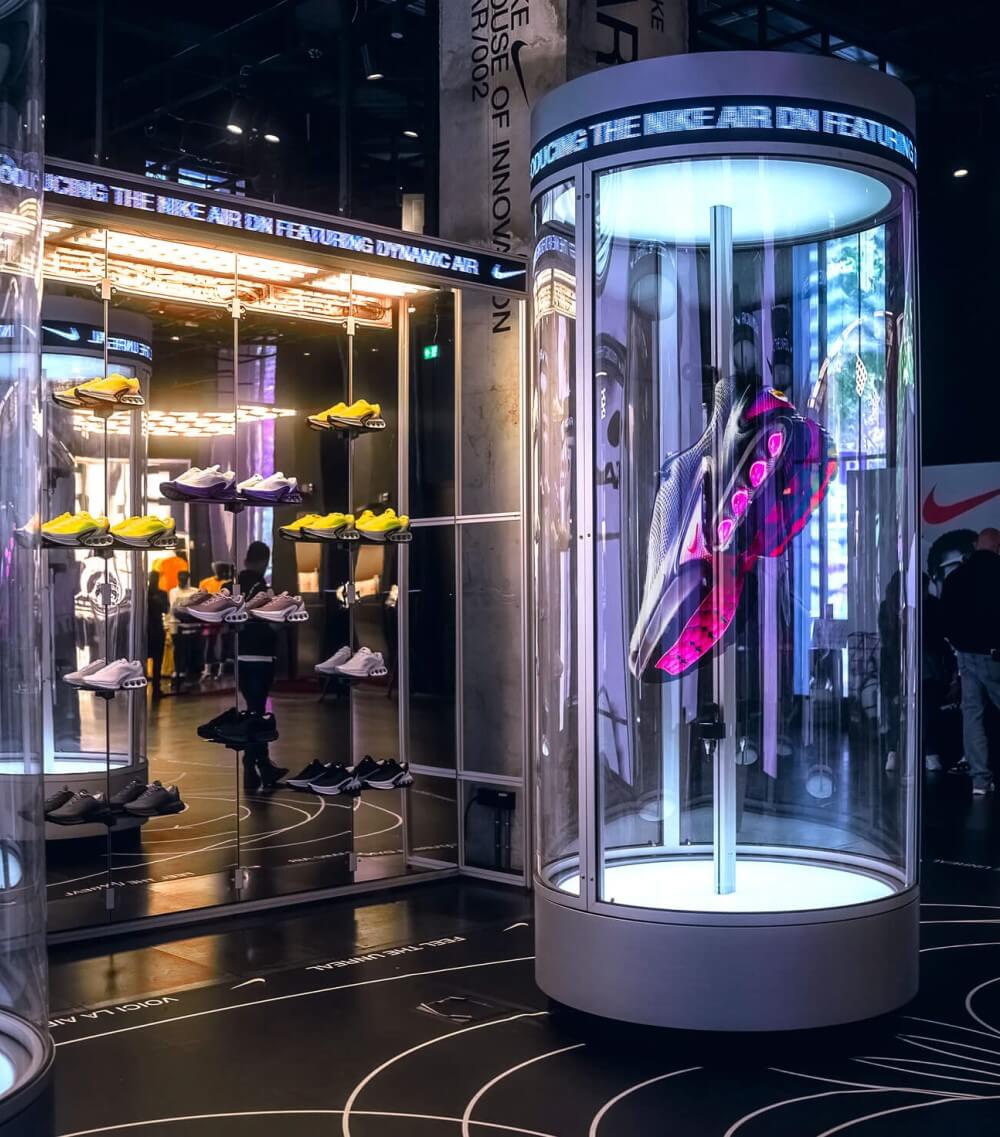
3-unit HYPERVSN SmartV Wall in Prime accessory. 

Content Format

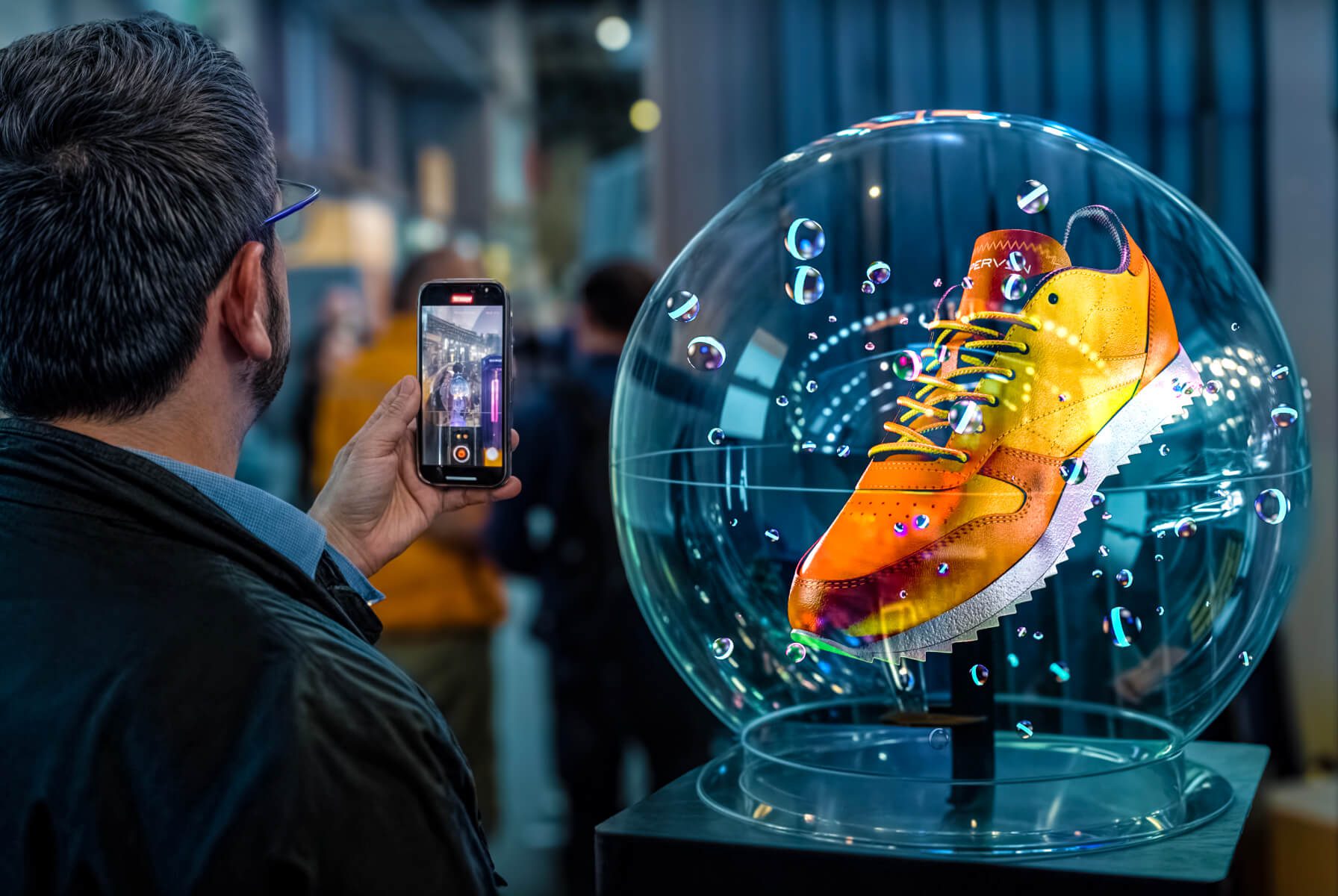
3D holographic visual storytelling that connects with customers.

Placement Strategy

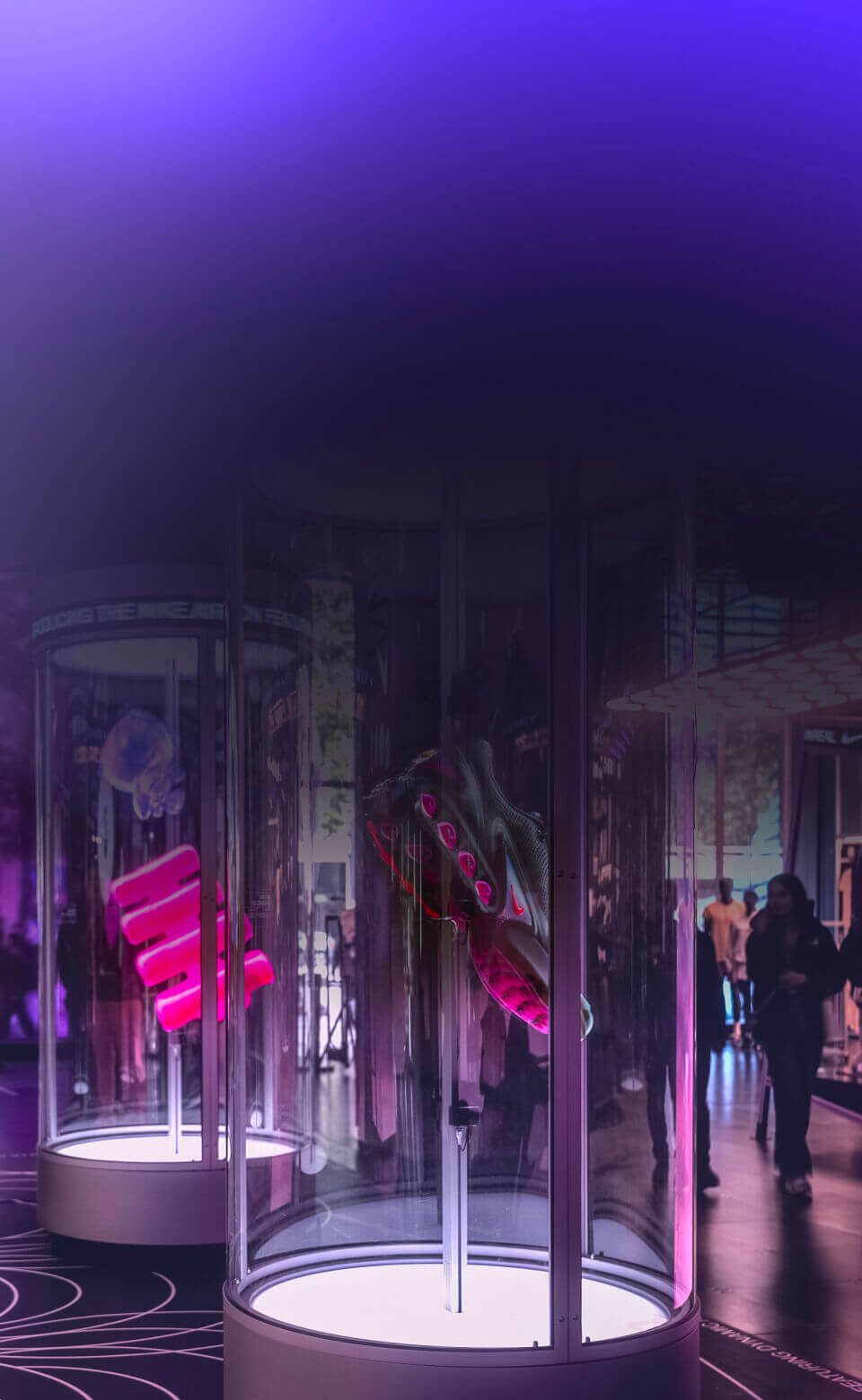
Placed in a 4-corner formation, immersing customers in vibrant visuals as they enter the store. 

Traditional 2D Signage

HYPERVSN 3D Holograms

Engagement

Low, blends into background High, stands out and elicits emotion

Storytelling

Limited, static or 2D animations Vivid, highly detailed 3D visuals

Phygital Effect

Feels separate from or imposed on physical store Augments and interacts with physical retail environment
Shareability

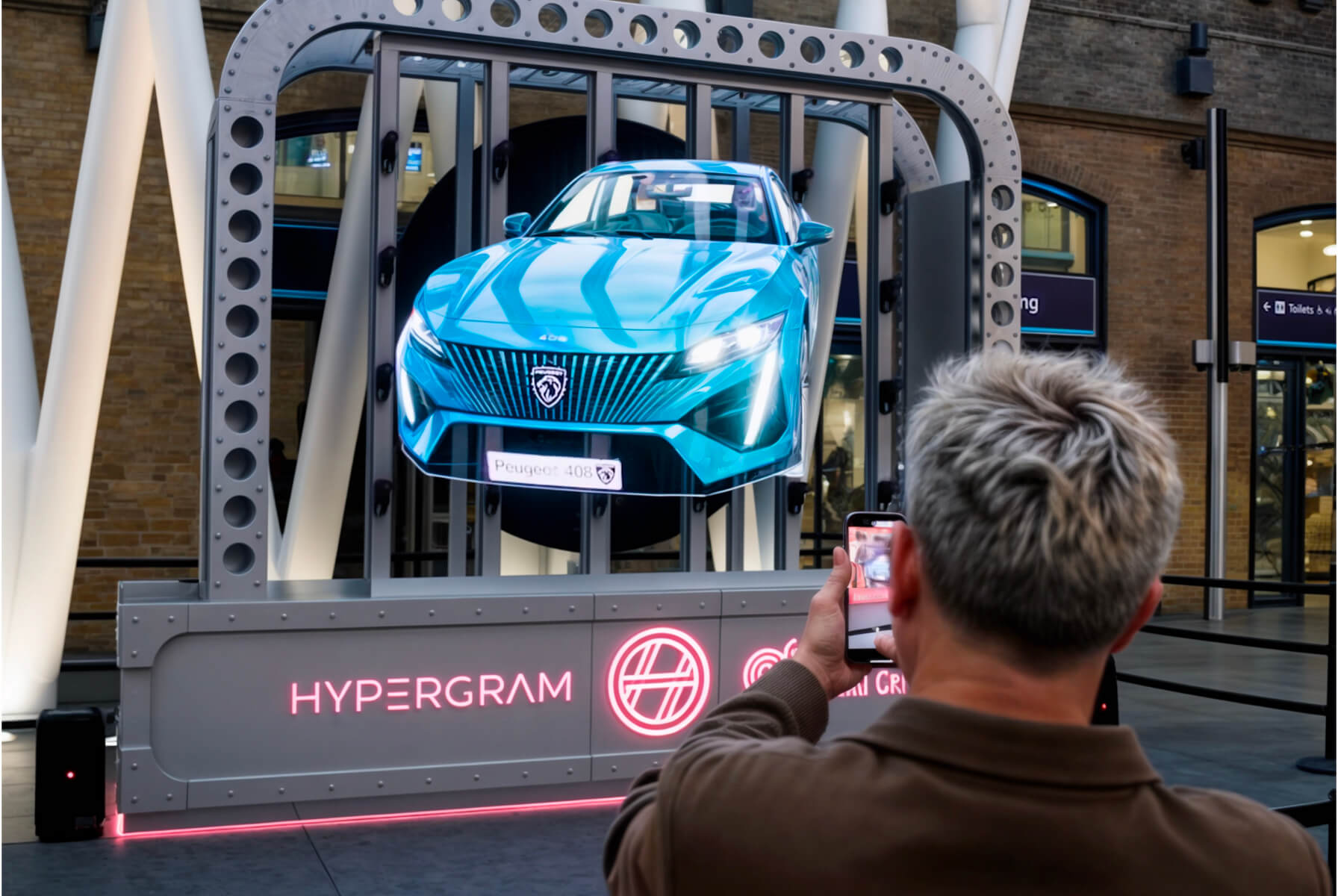
Low Highly Instagrammable

Impact in Innovation

Revolutionising In-Store Retail 

Omnichannel Engagement

Immersive experiences align with Nike’s multi-channel retail strategy that includes both physical stores and online platforms.

Sales Enablement

3D visuals act as a powerful tool for consumer education, priming them for higher-value conversations with sales teams and streamlining the path to purchase.

Visual Engagement

The setup of the holograms in the Prime accessory created an impactful installation that caught the eyes of passersby.

Brand Perception

The activation was right at home in Nike’s House of Innovation, creating a unique, futuristic in-store experience.

Engagement Indicators

Customers didn’t just walk past – they engaged with the visuals, keen to capture the full visual story.

Operational Benefits

The campaign could be managed from anywhere using the intuitive HYPERVSN CMS or HYPERVSN app.

Integration & Compatibility

Technology Used

This Nike innovation campaign used 4 x 3-unit HYPERVSN SmartV Walls each encased in a Prime accessory.
Safety and compliance notes: Proper installation is required to avoid malfunctions or hazards. To prevent consumers from touching the holographic devices, an appropriate distance and/or protective accessories are recommended. HYPERVSN provides set-up support and a range of stylish, practical accessories.

4K resolution with brightness of up to 3,000 nits 

Patented technology 

Cloud-based CMS for ultimate control 

YOUR HOW-TO GUIDE 

Innovate Your In-Store Experience Like Nike

Leadership in innovation gives Nike a competitive edge – and it can do the same for your brand. Here’s our step-by-step guide on how to use 3D holograms to innovate your retail experience. 

  • Step 1: Be Analytical

    Nike utilises data analytics to inform its retail strategies and improve customer experiences. They then adapt these strategies based on consumer behaviour and market trends to maintain competitiveness. This ensures that any innovation is directly responding to customer desires, ensuring engagement and loyalty. 

  • Step 2: Tell Your Story

    3D holography is an incredible tool for bringing your message to life. Use it to craft a story that embodies your brand unapologetically, setting you apart from competitors and inviting consumers into your brand universe. 

  • Step 3: Select the Right Solution

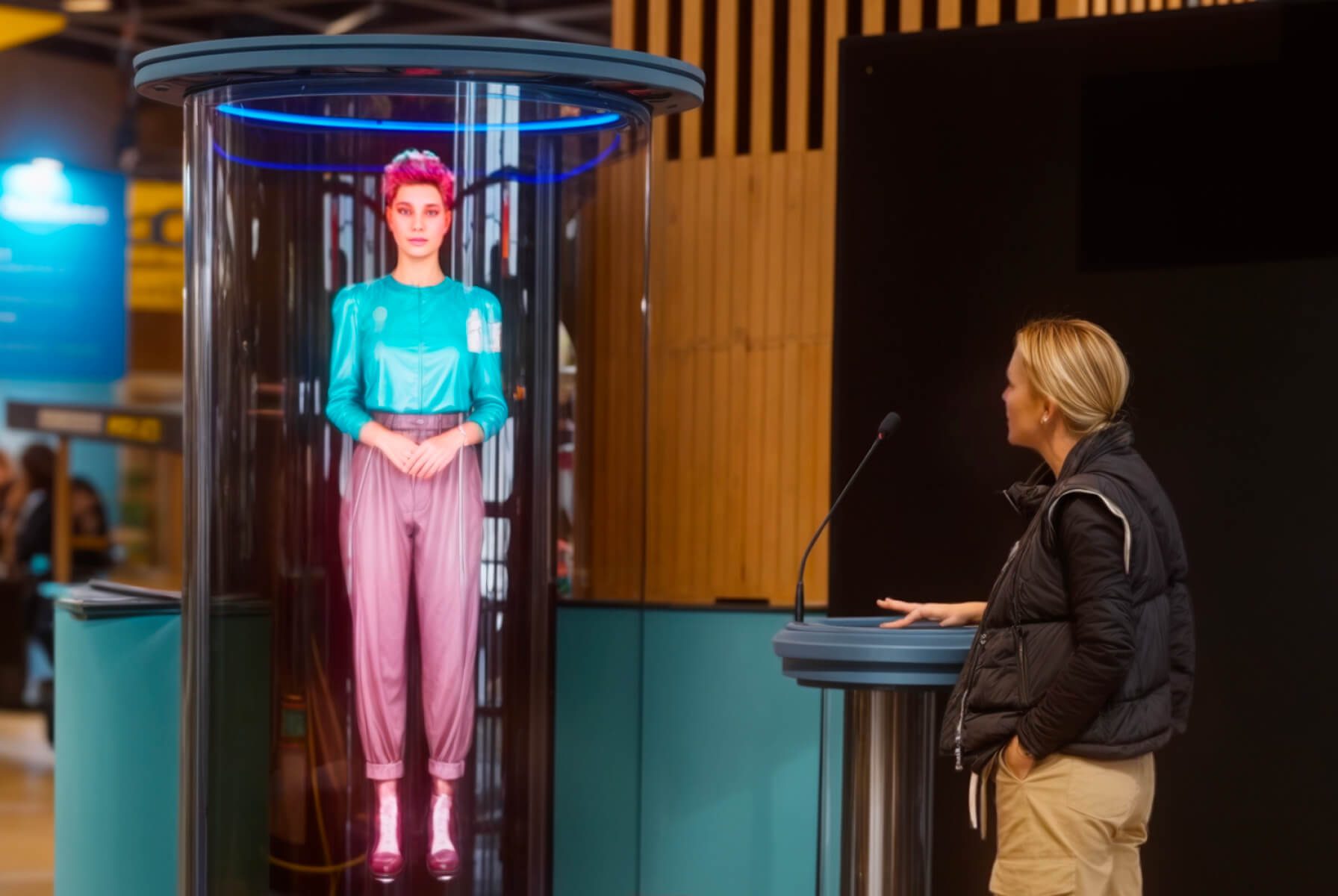
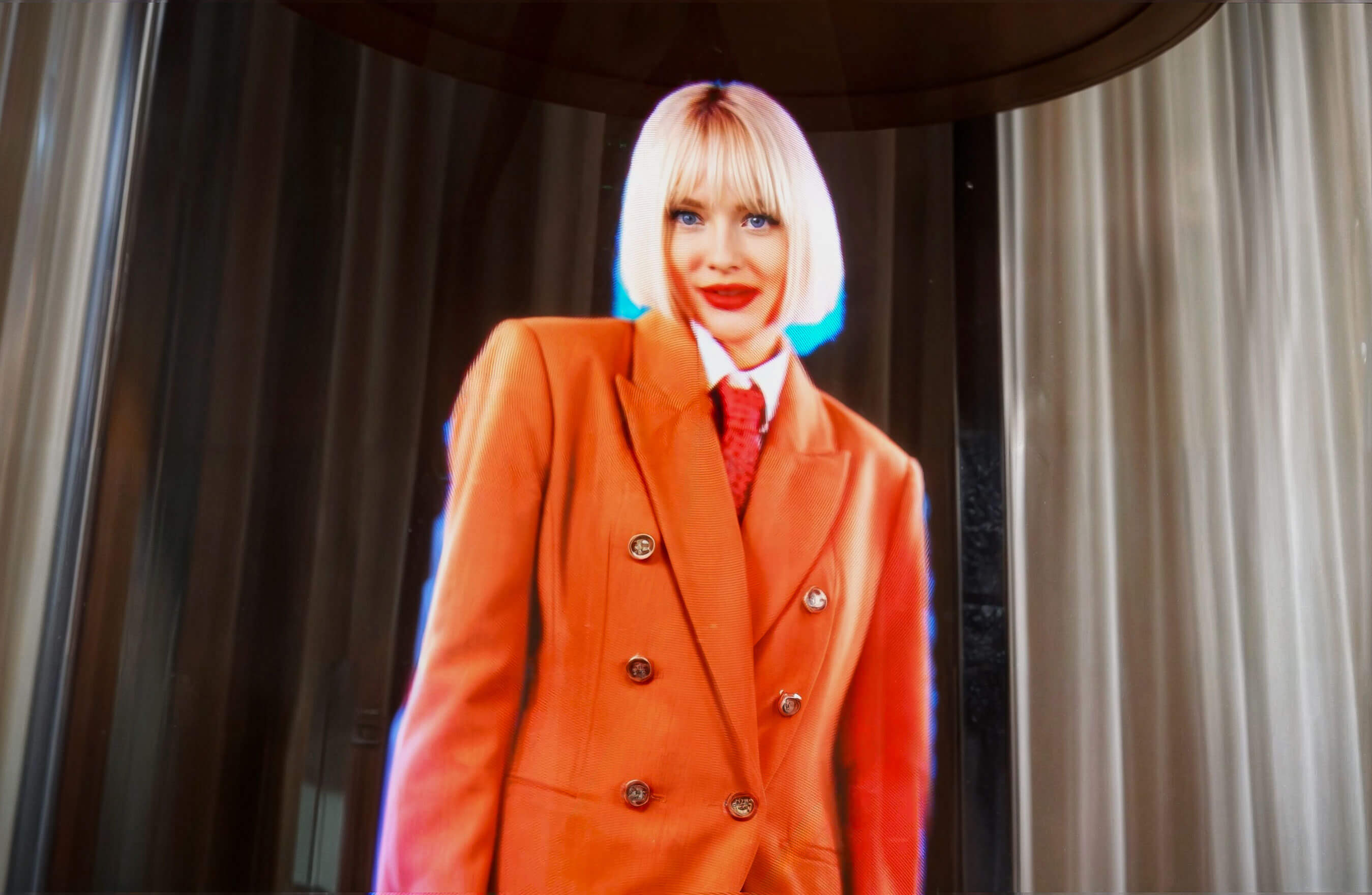
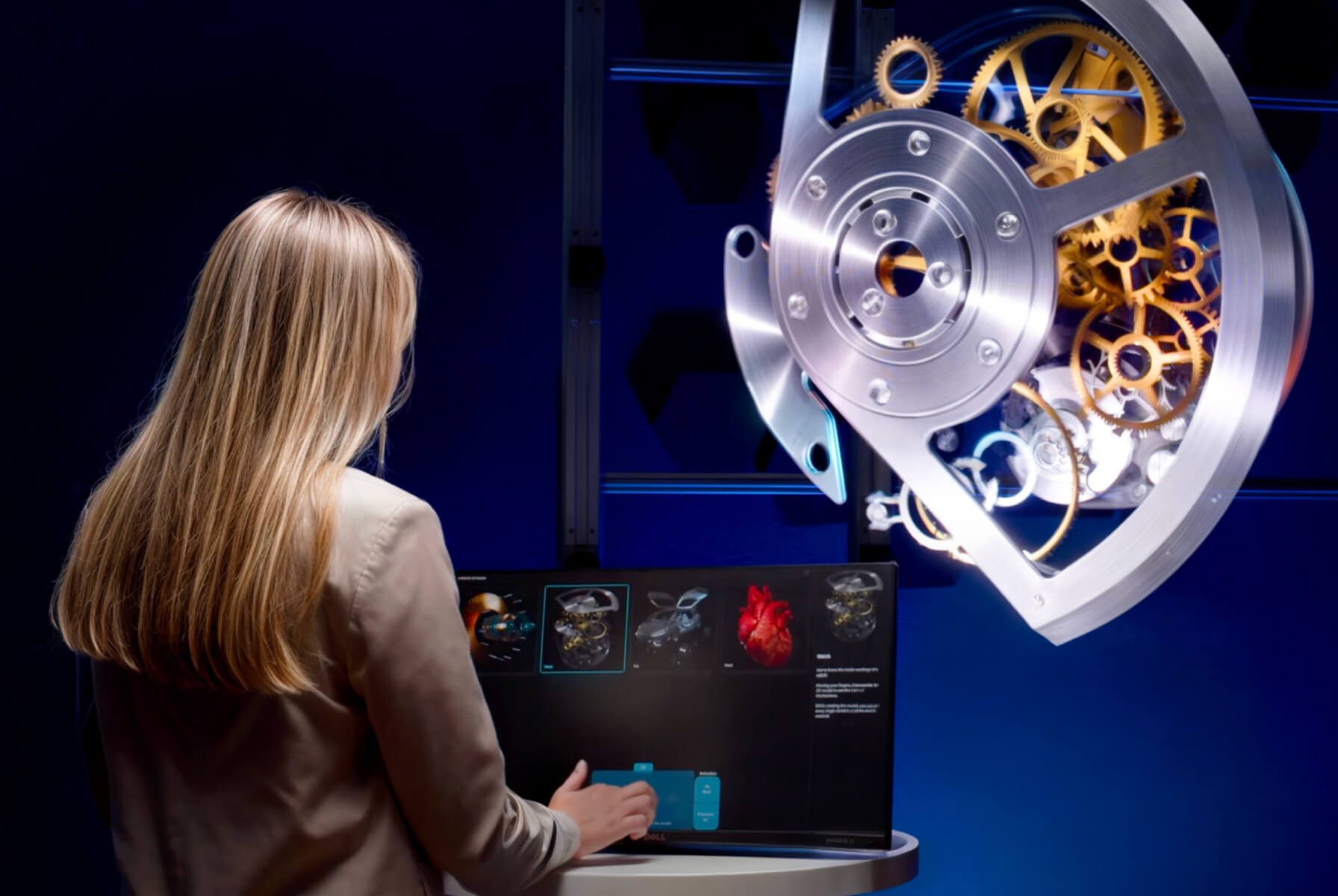
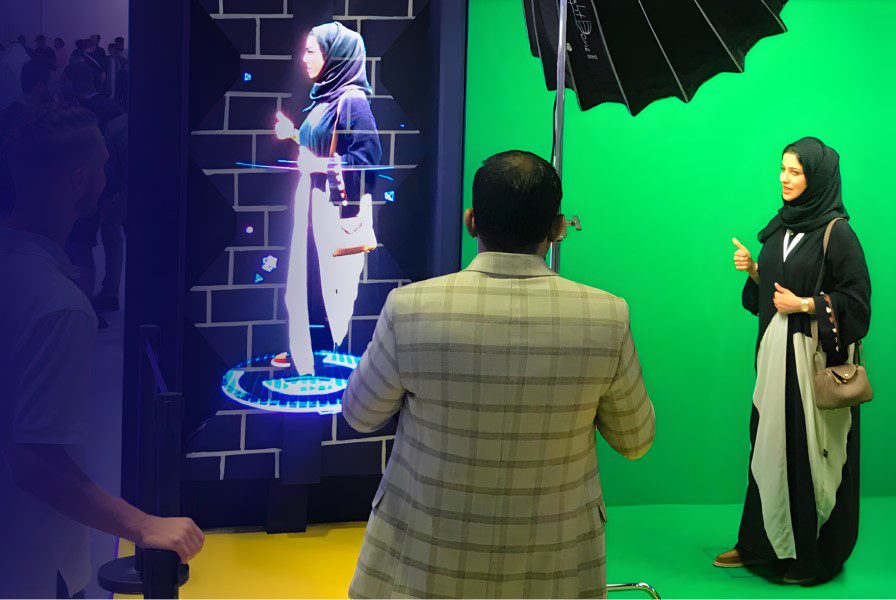
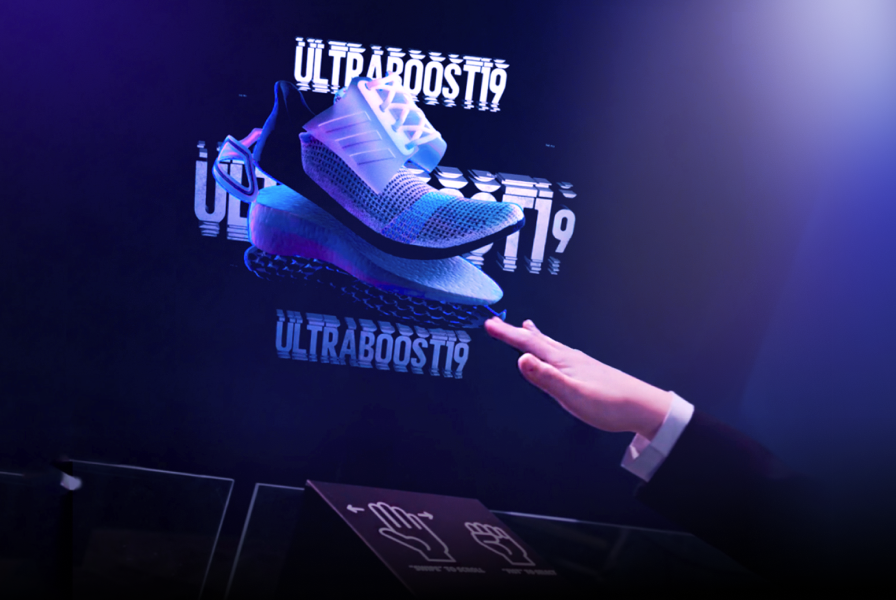
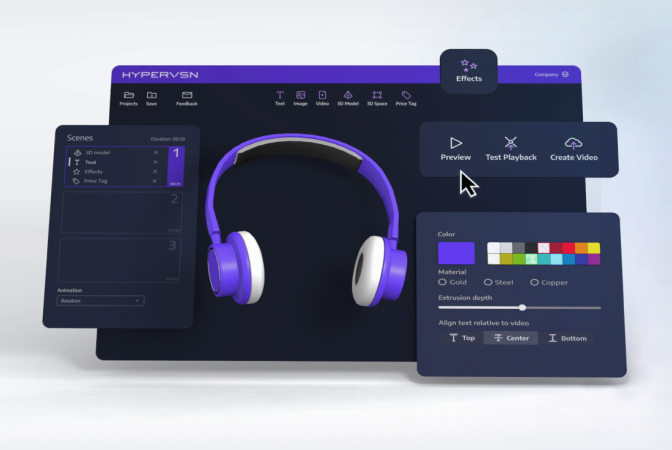
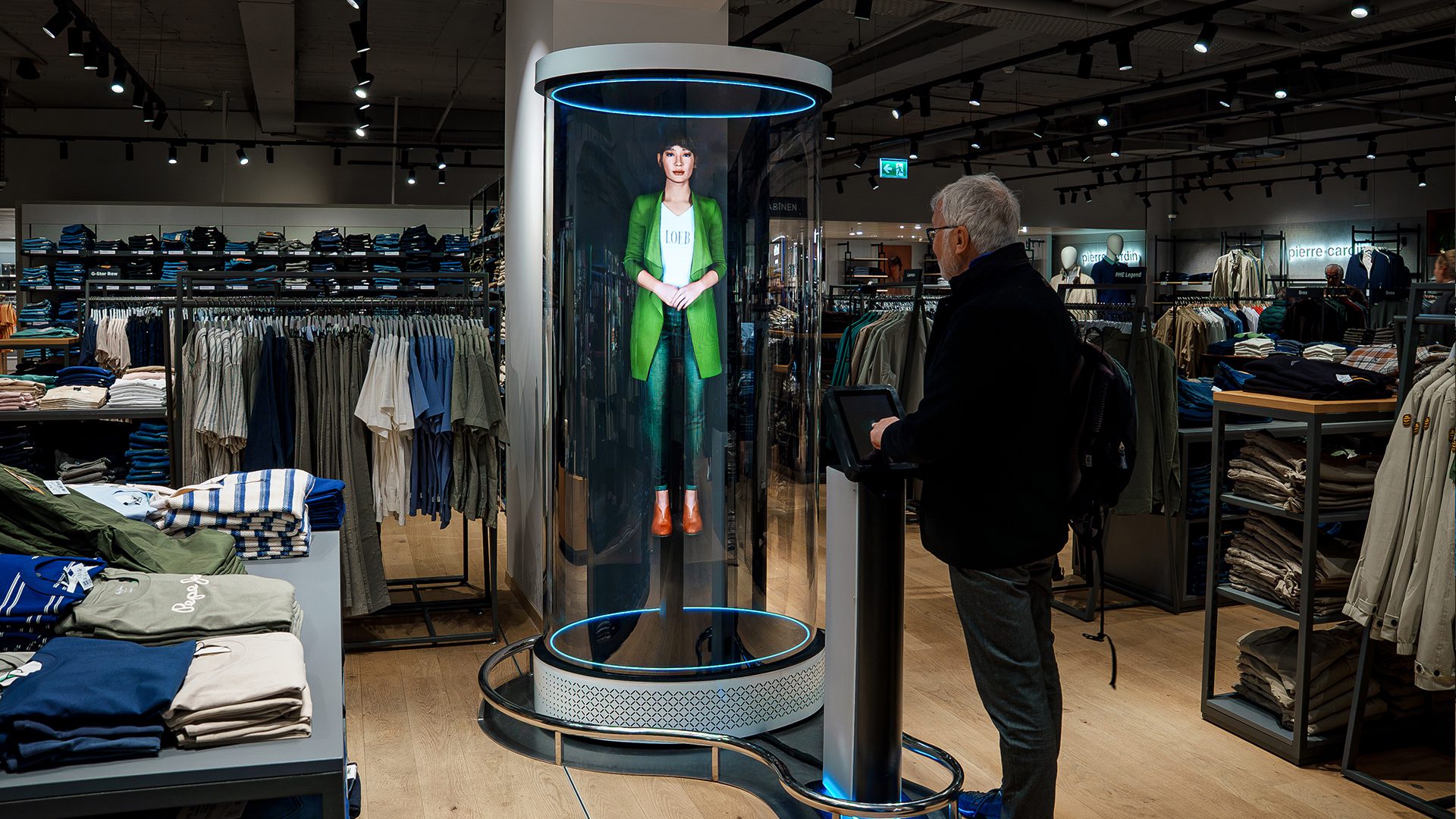
    Nike found success with our 3D wall, utilising vivid, dynamic content that brings together innovation and design. HYPERVSN has immersive solutions to suit every need – from AI-powered digital humans to interactive 3D modellers. Choosing the right activation for your customer and your retail space is key to success. 

  • Step 4: Integrate Innovation with Store Design

    Ensure that your chosen solution(s) interacts with the physical store, augmenting the experience rather than competing with it. This includes making strategic decisions about placement, content and interactive elements that will elevate customer experience and boost retail sales. 

  • Step 5: Measurement and Iteration

    The HYPERVSN CMS allows clients to manage and amend campaigns remotely. Utilise this functionality to ensure that your campaign is responsive. Make updates based on performance, feedback or seasonal trends.  

Need Clarification?

Frequently Asked Questions

  • What is retail innovation?

    Retail innovation involves the adoption of new technologies and strategies to boost customer engagement, drive retail sales and remain competitive in an ever-changing market. This includes everything from 3D holographic immersive experiences to engage shoppers in-store, to AI-powered avatars delivering personalised customer service. Retail innovation is essential for brands to meet customer desires and stay relevant as the retail landscape evolves. 

  • How does Nike prioritise innovation?

    Nike uses design thinking as part of its innovation process to create products that solve customer problems. An early example of this is the ‘Waffle Trainer’, created by Bill Bowerman in 1971 using a waffle iron to develop a new rubber sole. Since then, they have continued to bring truly innovative products to market. Nike Pegasus Premium is a road running shoe with sculpted, visible Air Zoom for energy return, including Swarovski crystal editions. Perhaps the most current example, Project Amplify is the world’s first powered footwear system for running and walking, featuring motors and batteries, launching in 2026. 

  • How has Nike weaved sustainability into their innovative approach?

    Nike remains a global leader in retail innovation, matching its technological advances with a rigorous ‘Move to Zero’ sustainability initiative. Globally, the brand is nearing its goal of 100% of its owned-and-operated facilities being powered with renewable energy. Nike has transitioned to using roughly 60% recycled polyester by volume in its apparel products. To push toward the 100% target, Nike signed major strategic partnerships in late 2025 with startups like Syre and Loop Industries to scale “textile-to-textile” recycling, ensuring that old garments are used to create new high-performance gear. The launch of Nike Forward and the continued expansion of Nike Refurbished (which resells gently used footwear) have solidified the brand’s commitment to a circular economy, reducing the carbon footprint of traditional fleece by an average of 75%. 

  • What are 3D holograms?

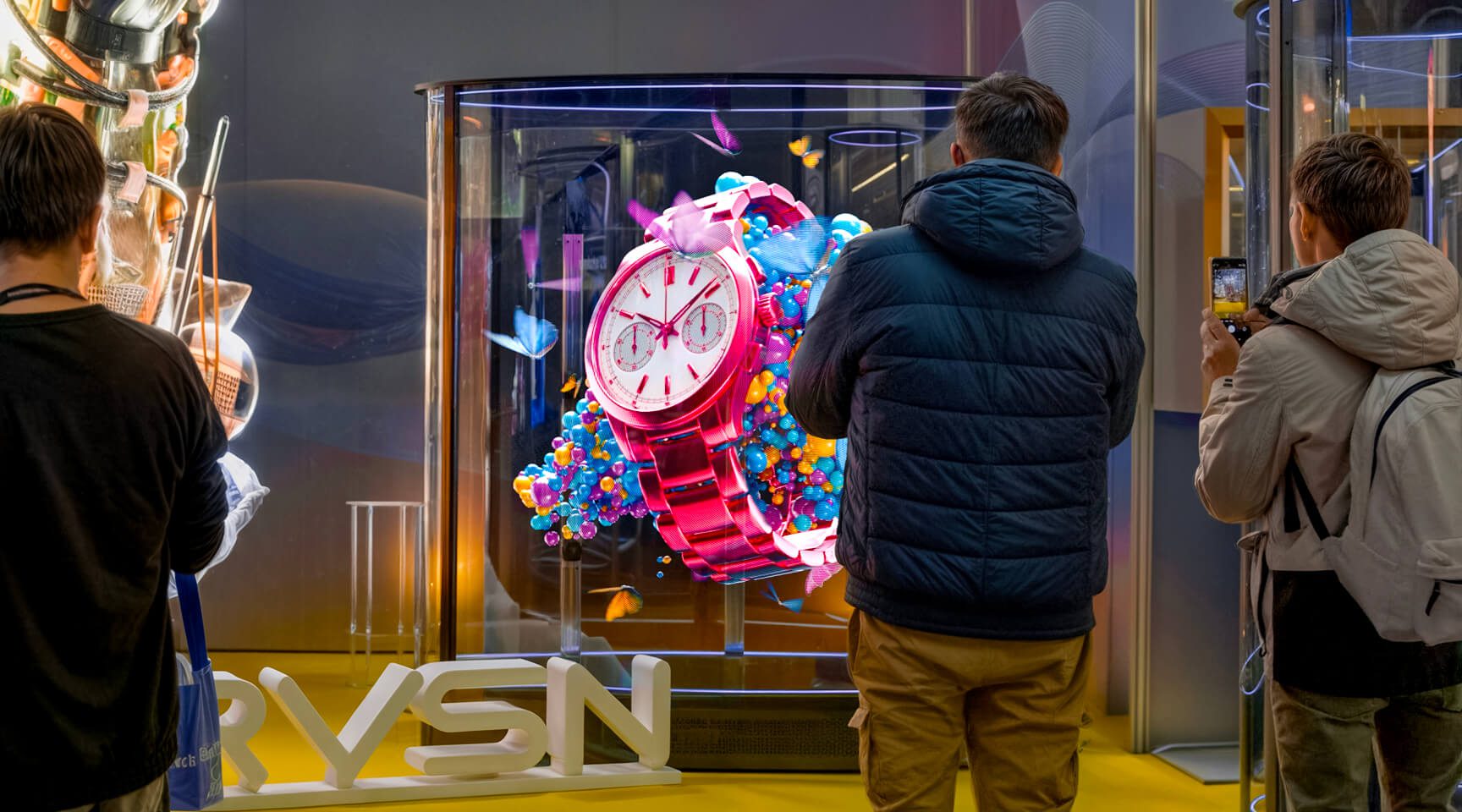
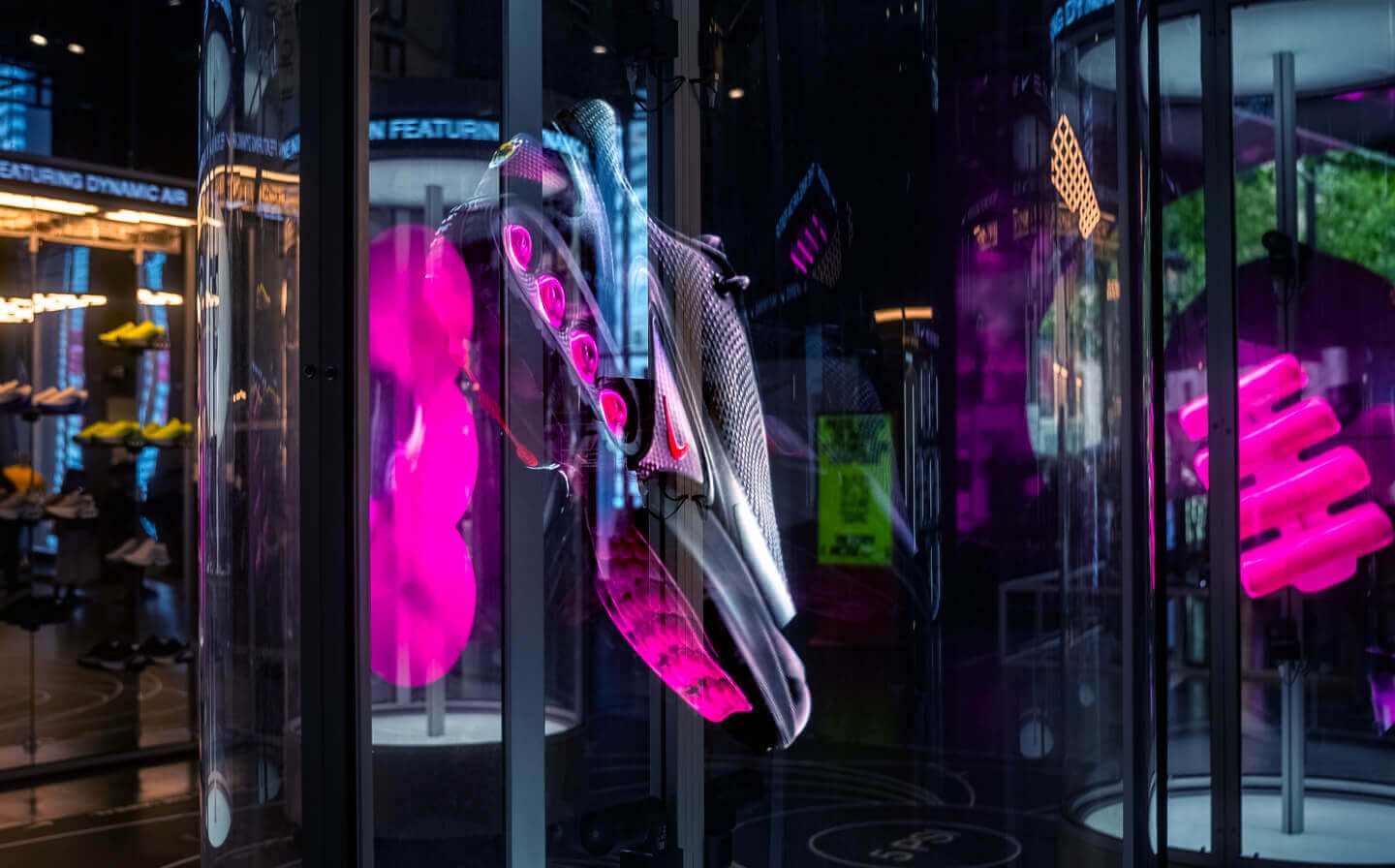
    HYPERVSN 3D holograms use proprietary technology to generate sharp, vivid images that appear to be floating in mid-air. Our devices use high-speed LED-based rotors spinning at speeds that make the blades invisible to the human eye, leaving only high-definition 3D holographic content. Unlike traditional 3D displays, our solutions don’t require specialist glasses or headsets – the 3D effect is visible to the naked eye. With a brightness of 3,000 nits, these displays remain vivid even under intense lighting and bright, outdoor environments. Combining our specialist hardware with exceptional 3D design, our solutions create immersive experiences driven by dynamic, pixel-perfect visuals that grab – and hold – attention. 

  • What impact do holograms have on retail?

    Holograms enhance retail by offering interactive and visually compelling customer experiences that drive foot traffic and brand recall. They augment physical displays with dynamic, engaging content that transforms shopping into an immersive experience. More than just visuals, when used to educate consumers on the product, they prime customers for easier conversations with sales teams. 

  • How do 3D holograms specifically influence impulse buying in retail?

    Impulse buying in retail is the spontaneous, unplanned decision to purchase a product made just moments before the transaction. It is a critical driver of revenue for fashion and athletic brands, with studies suggesting that impulse purchases account for up to 40% to 80% of all retail sales depending on the product category. Because these decisions are driven by emotion rather than logic, the stopping power of a storefront is paramount. 

    3D holograms drive impulse purchases by creating a highly emotive sensory experience that cuts through the noise and attracts shoppers. 3D holographic visuals highlight product USPs, increase dwell time, and create a buzz that encourages impulse purchasing. 

  • How do 3D holograms fit in with sustainability initiatives?

    HYPERVSN 3D holograms use 70% less energy than traditional 2D LED screens, primarily because the LED rotors require significantly less power to illuminate a 3D image than a solid backlit panel. Because they consume less power, HYPERVSN solutions emit significantly less heat than traditional TV walls. For a large flagship store like Nike London, this reduces the secondary energy load on the building’s HVAC and cooling systems. With quick and easy updates made remotely through the HYPERVSN CMS or app, our solutions emit the need to printed promotional materials to announce sales, price drops or other seasonal promotional messages. 

  • Why did Nike choose HYPERVSN?

    Nike selected HYPERVSN for its high-quality 3D display technology, creating engaging, attention-grabbing holograms that visualised complex product features. As a leader in innovation, Nike chose to work with the market leader in futuristic immersive technology. 

Start Your Project with HYPERVSN

Get in touch to discuss how 3D holography could transform your shopper experience.

4 Item in cart

HYPERVSN 3D Catalog

USD 1,200

Qty

Remove Item

HYPERVSN 3D Catalog

USD 1,200

Qty

Remove Item

HYPERVSN 3D Catalog

USD 1,200

Qty

Remove Item

Cart Subtotal:

USD 3,600