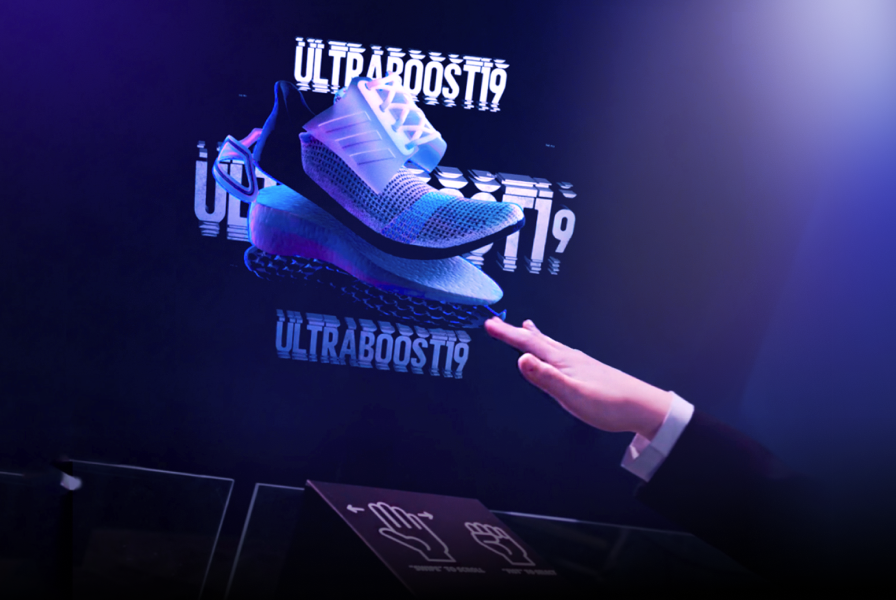
Adidas 3D Hologram Desktop Adidas 3D Hologram Tablet
Adidas 3D Hologram Mobile

Adidas Elevates Ultraboost Lunch Strategy with 3D Holographic Retail Innovation

Explore how Adidas used HYPERVSN 3D holographic technology to launch the Ultraboost sneaker at its Tel Aviv store, setting a new benchmark for launch innovation.

OVERVIEW

Case Study Summary

Client: Adidas Industry: Sportswear & Retail 
Challenge: Launching the Adidas Ultraboost in a competitive mall environment in Tel Aviv by creating a “stop-and-stare” experience that converts passersby into engaged shoppers.
Solution: Studies show that 3D holograms boost engagement, dwell time and overall customer satisfaction. Adidas chose to capitalise on the visible innovation of their product, making it impossible to ignore.

Key Outcomes


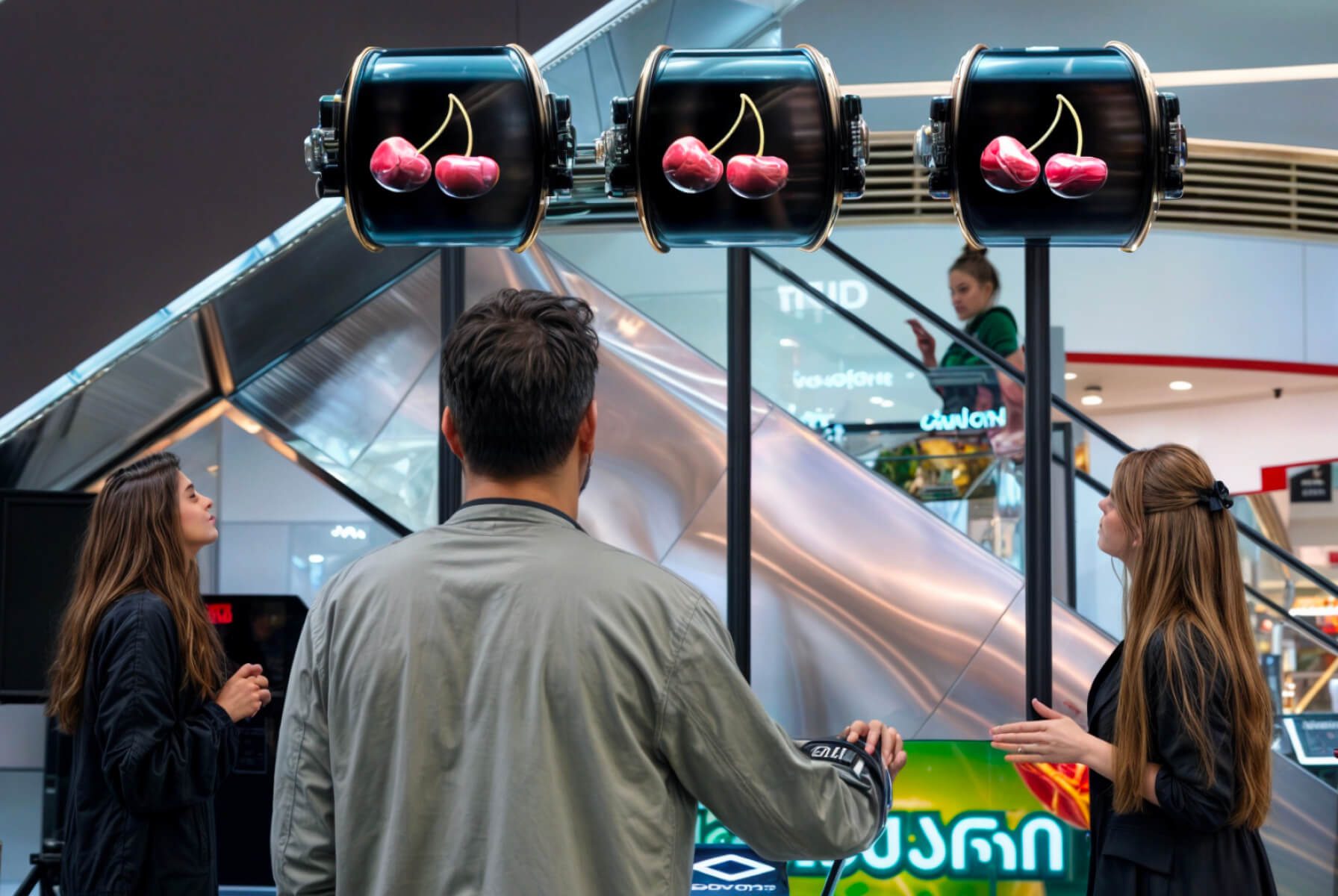
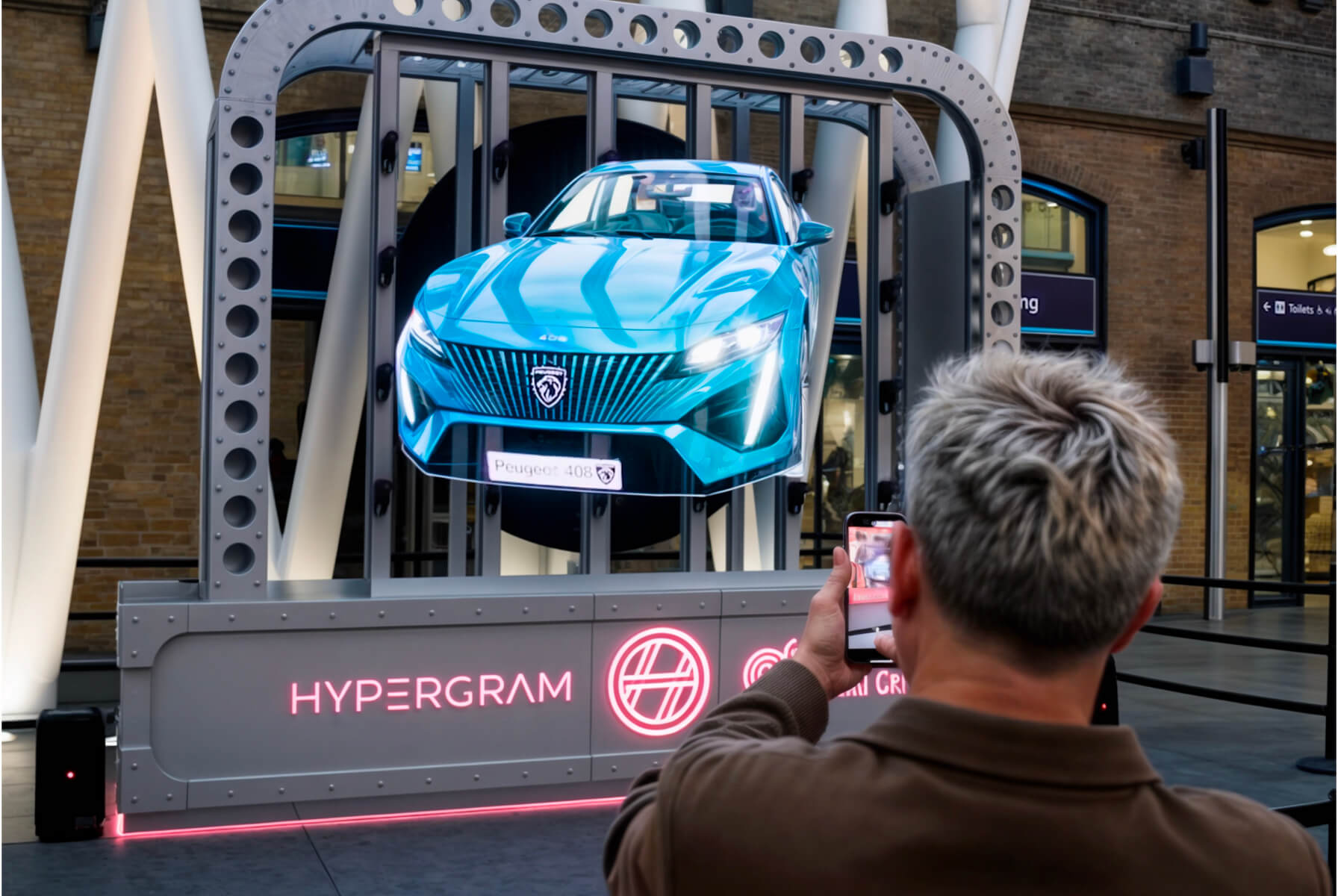
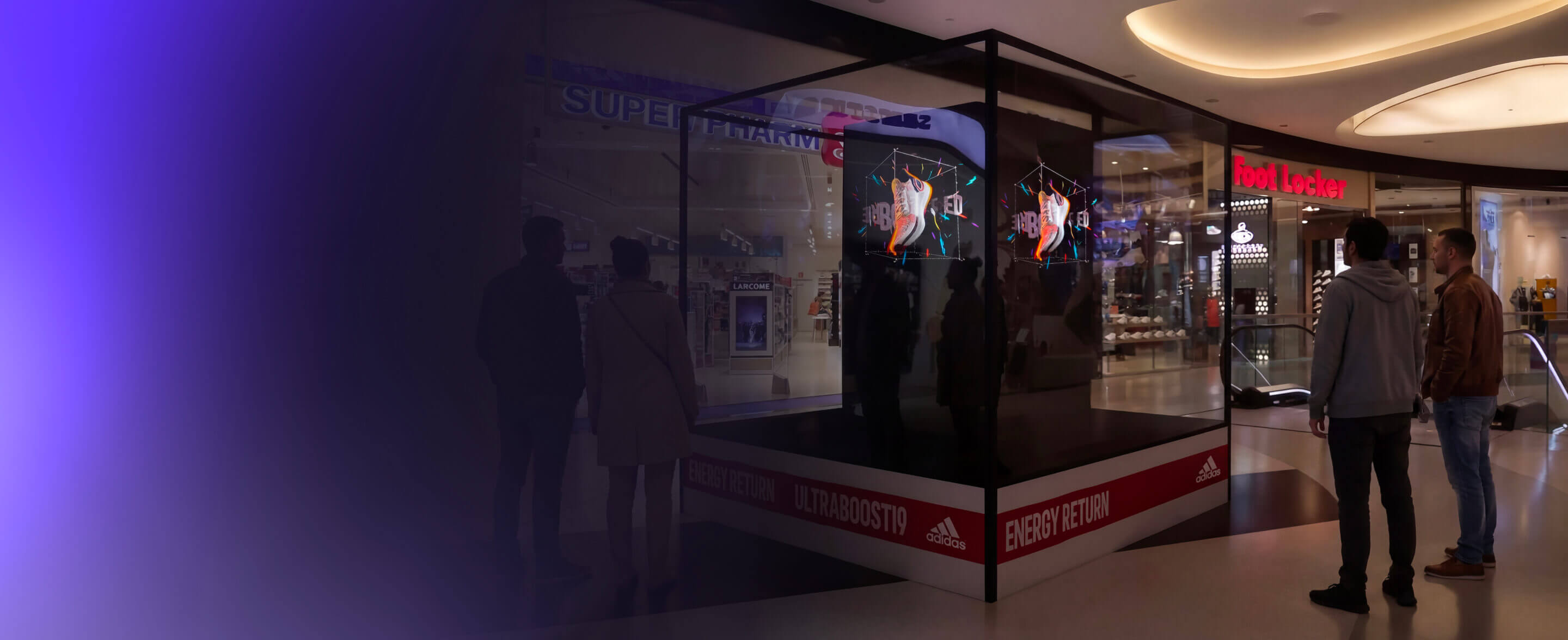
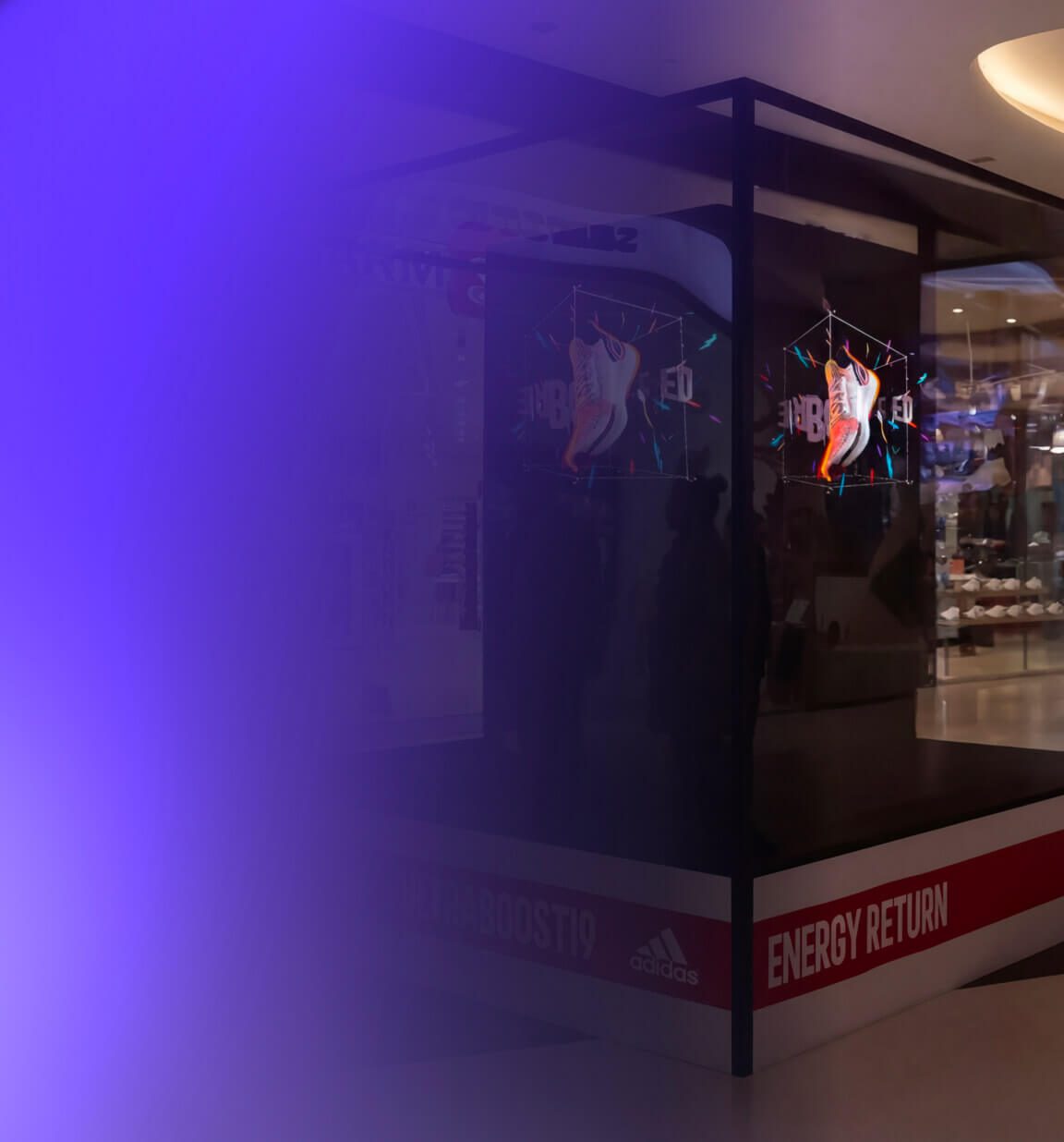
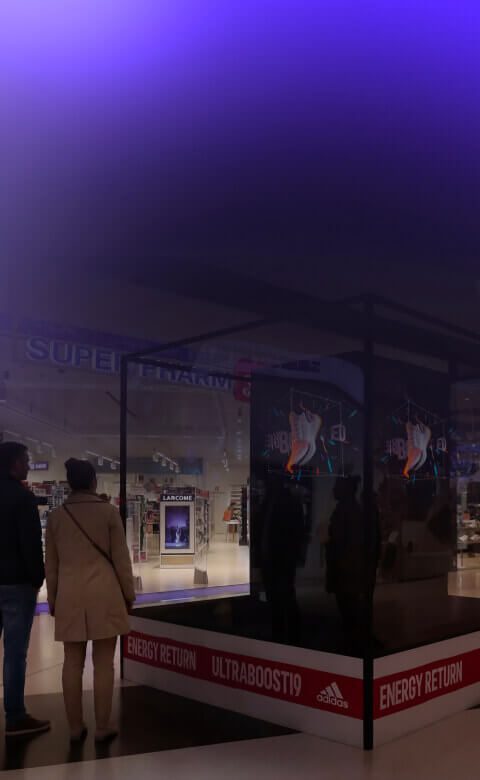
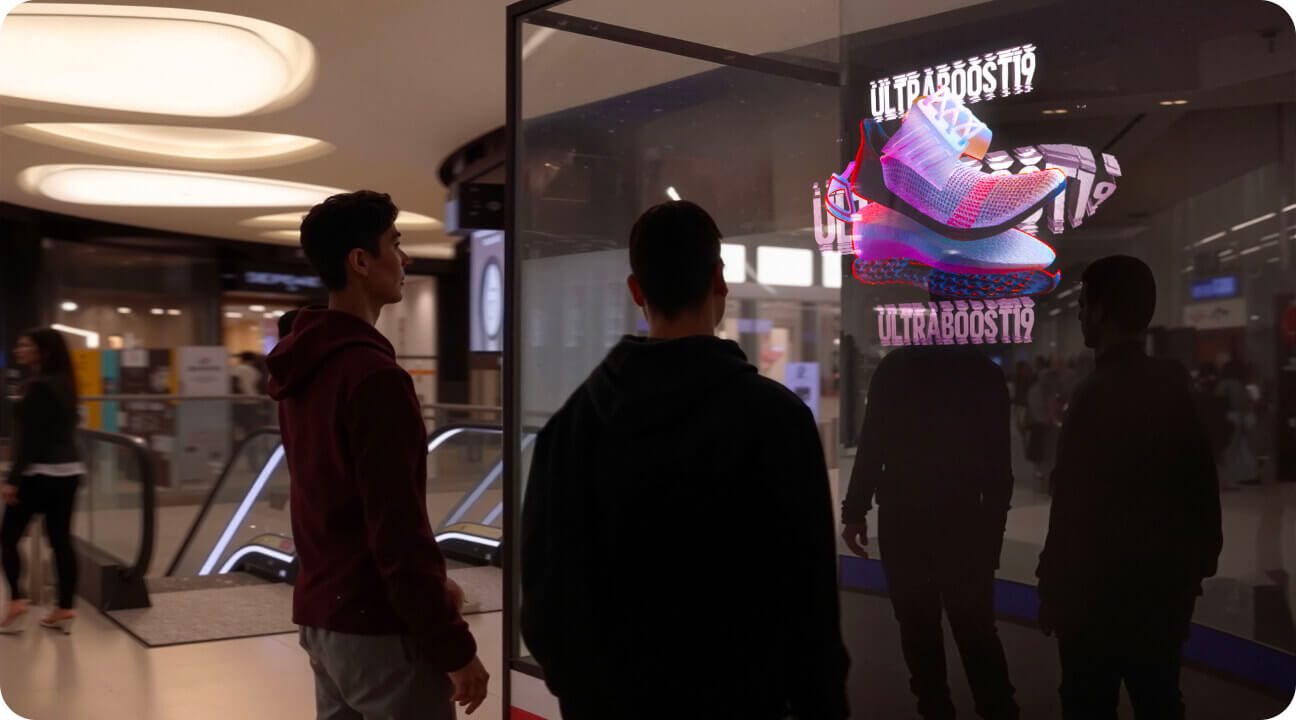
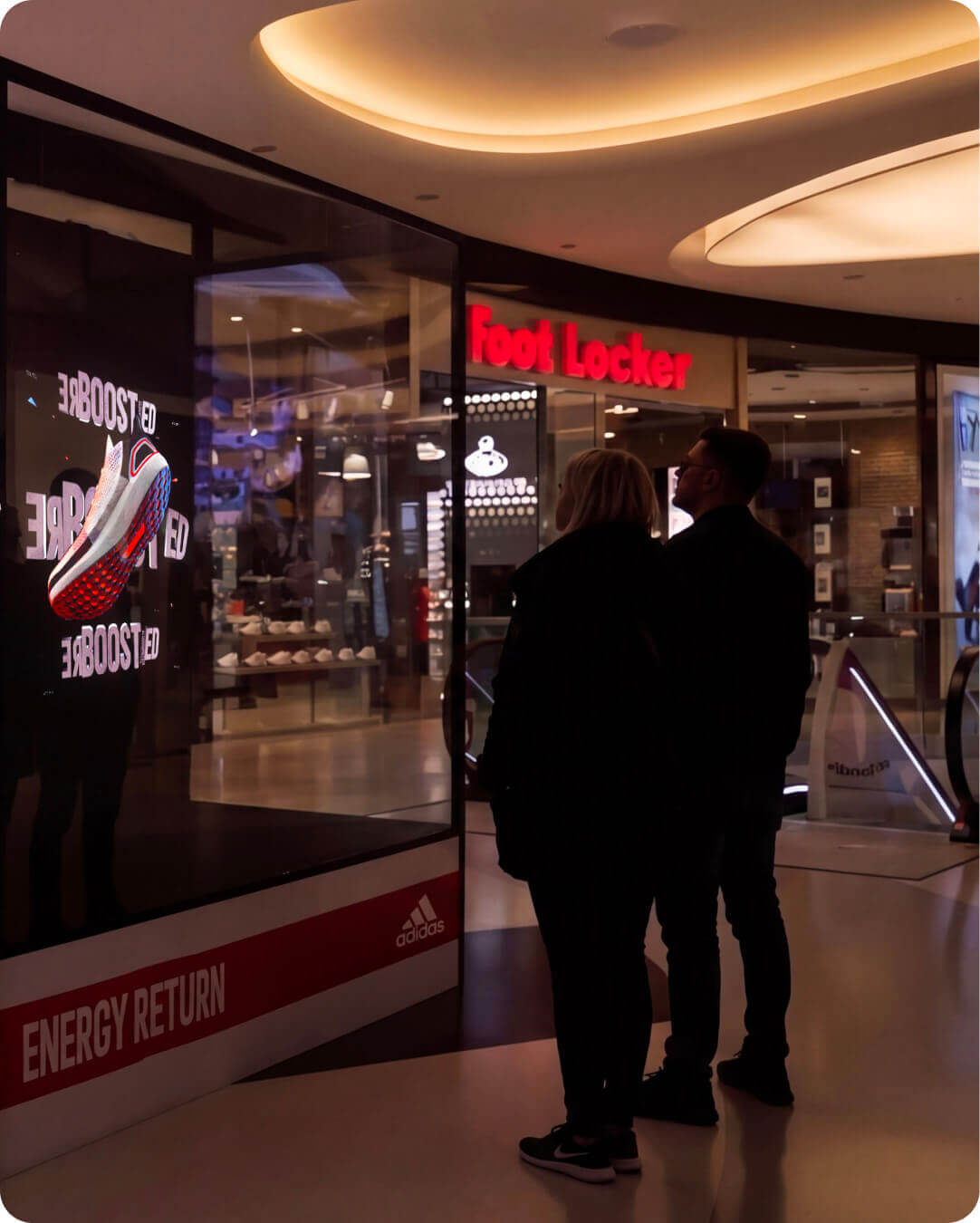
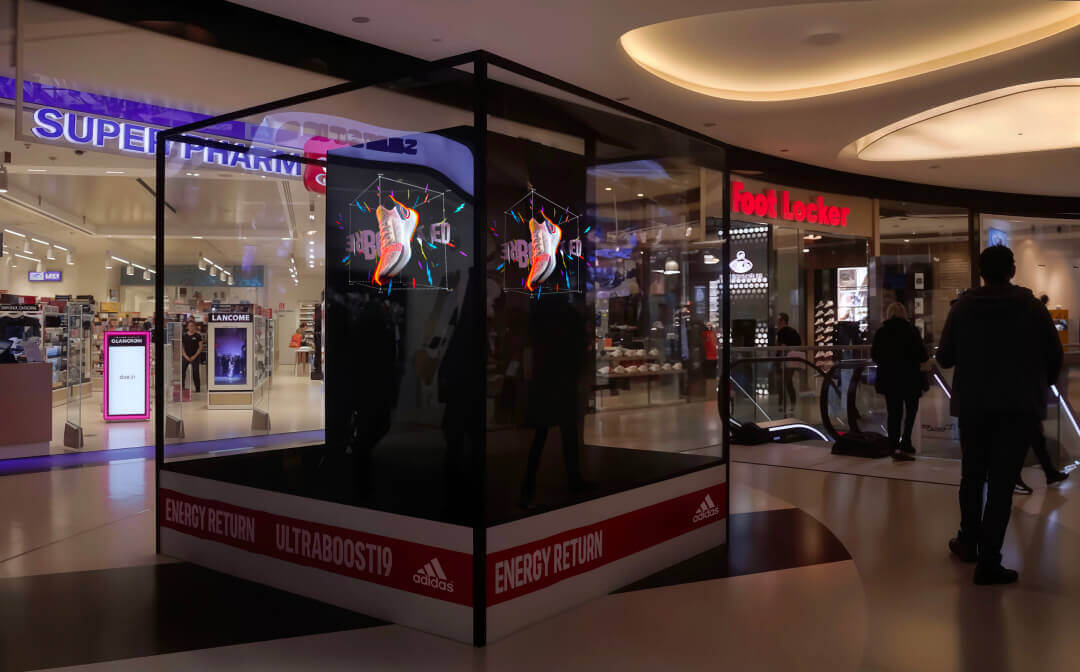
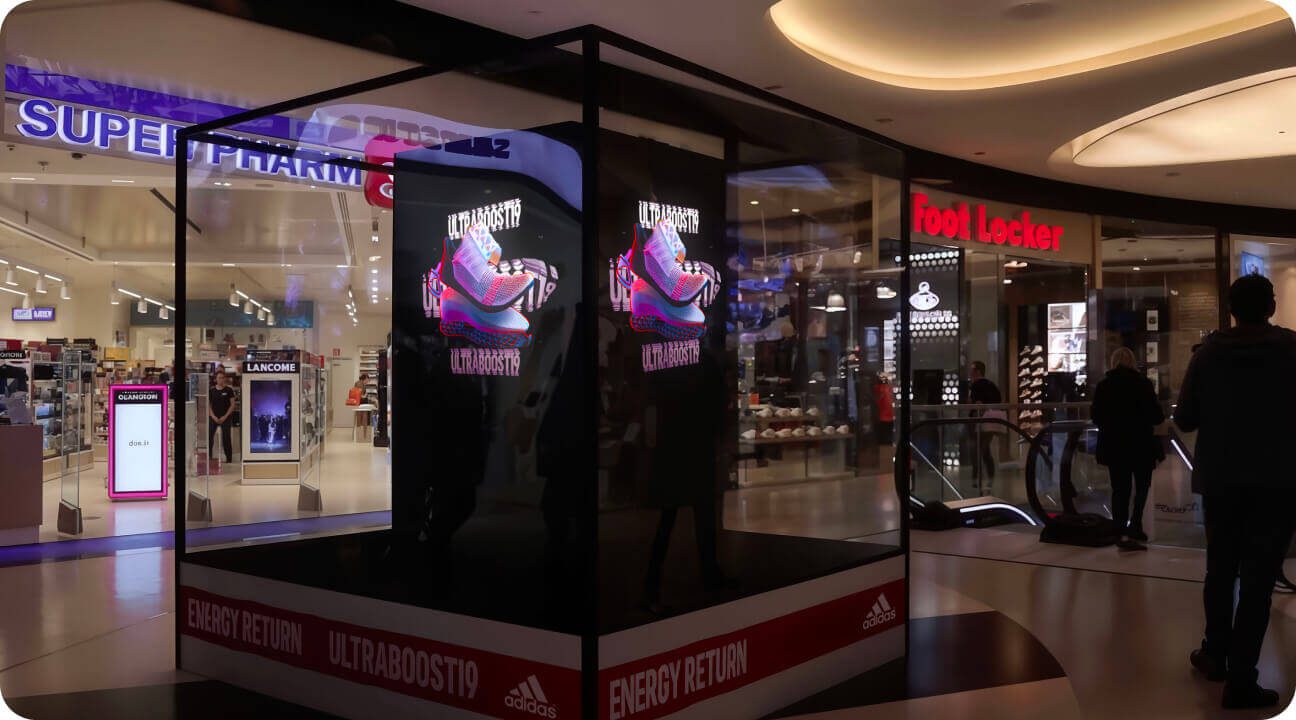
A 360-degree holographic cube outside the Tel Aviv store ensuring that wherever a shopper was standing in the mall, the Ultraboost launch found them.

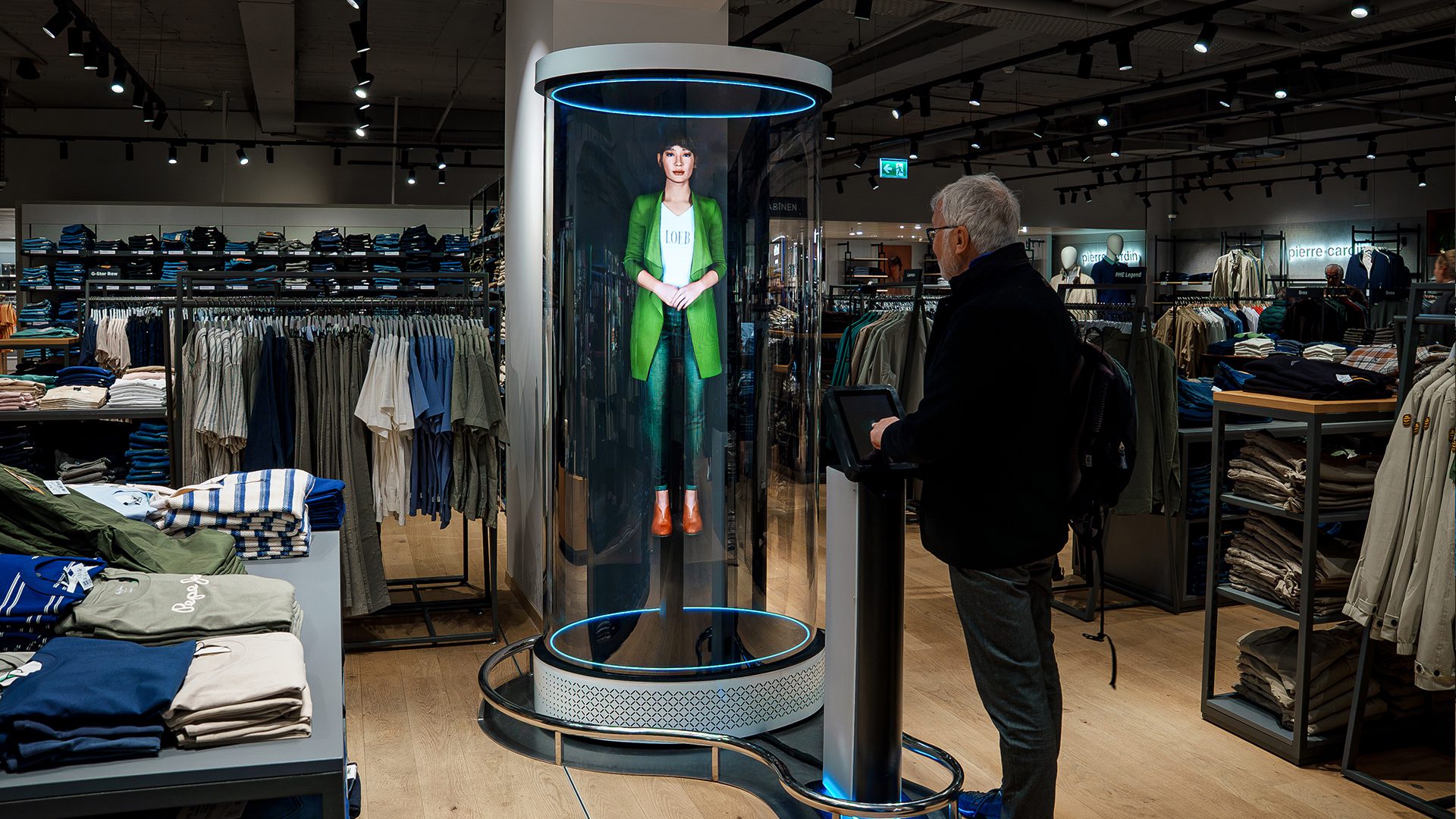
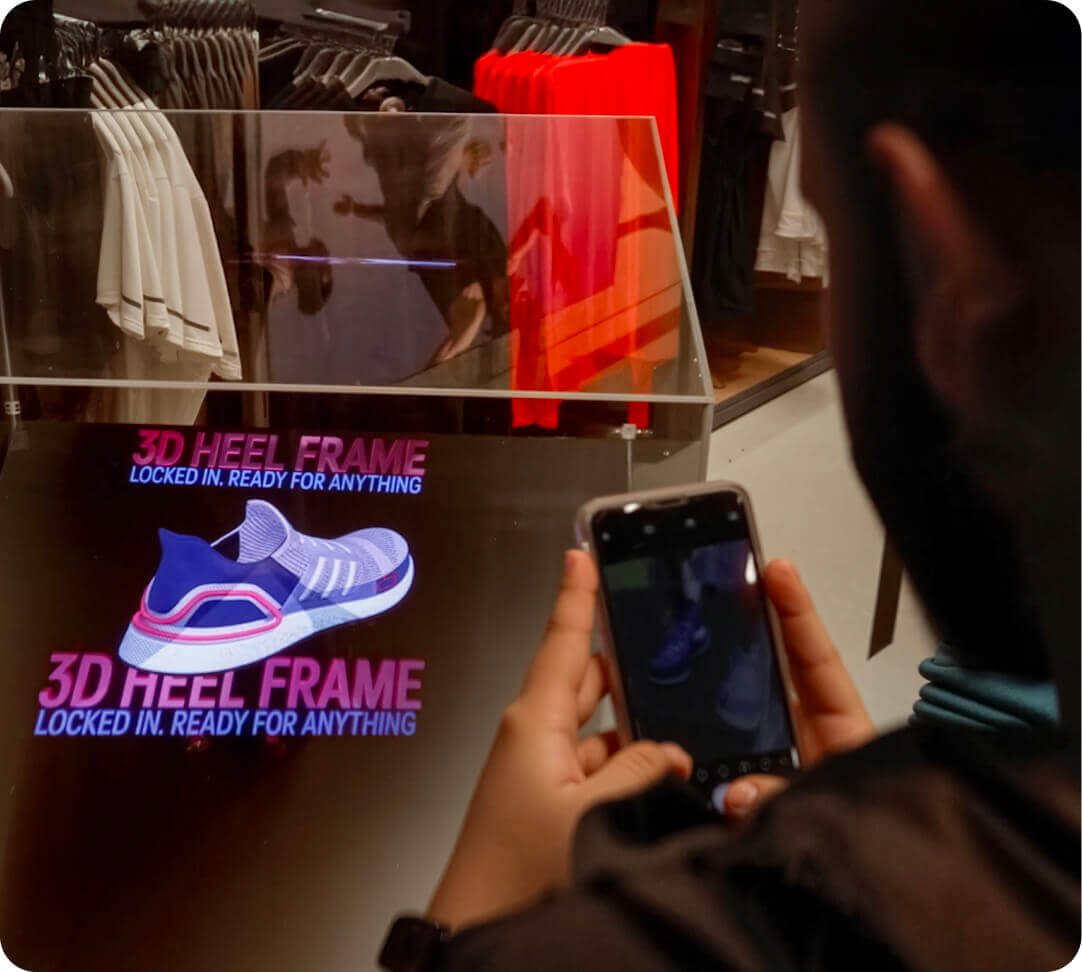
A HYPERVSN Solo unit in a custom accessory inside the store, delivering a more intimate product storytelling experience for customers who had already been drawn in. 

ADIDAS

About the Client

Country & Region

Adidas was founded by Adolf “Adi” Dassler in Germany in 1949, having originated as the “Dassler Brothers Shoe Factory” in 1924 before splitting in 1948. Today the brand is headquartered in Herzogenaurach, Germany, with a presence spanning North America, Europe, Asia-Pacific and emerging markets worldwide. This case study features its flagship store in Tel Aviv. 

Innovation & Sustainability

Adidas is executing its “Own the Game” strategy, focusing on increasing direct-to-consumer sales and sustainability. The brand’s innovations include technologies like Boost cushioning, Primeknit fabric and 4D printing. The brand aims for sustainability by using recycled materials and minimising its carbon footprint, appealing to eco-conscious consumers. 

Market Position & Scale

Adidas is the second-largest sportswear producer globally after Nike, with record quarterly revenues of €6.63 billion in Q3 2025. The brand gained early fame after Jesse Owens won Olympic medals in their spiked shoes in 1936, and became a leader in football after West Germany won the FIFA World Cup in 1954 wearing Adidas boots with screw-in studs. 

01. Challenge

Creating Memorable In-Store Experiences That Drive Engagement Among Target Audience

Arrow CHALLENGE

Turning Storytelling Into Retail Experience

A product launch serves many purposes for an organisation beyond just making the product available for purchase. In the sneaker market particularly, a launch is often a huge cultural moment, and the in-store experience is expected to match that energy. Creating a compelling story around the product can enhance its market introduction and resonate with the target audience. For design-led, innovative brands, the product is the story – capturing this in visually captivating ways is often an effective launch strategy of a product. 
The challenge for Adidas was a familiar one for any brand operating at scale: turning their launch story into an in-store experience that is genuinely memorable. Building anticipation for a product can significantly enhance its chances of success in the market. Throughout the launch period, activations needed to stop customers, hold their attention and give them a reason to engage with the product rather than walk past it. Static displays and printed point-of-sale materials are fast to produce but easy to ignore. In a retail environment saturated with competing visuals, they rarely create the sense of occasion that a significant sneaker launch demands. Effective product launch strategies involve creating awareness and generating interest among target audiences. This is a critical factor in a product launch and, while online plays a huge part in this, the physical store is essential.  

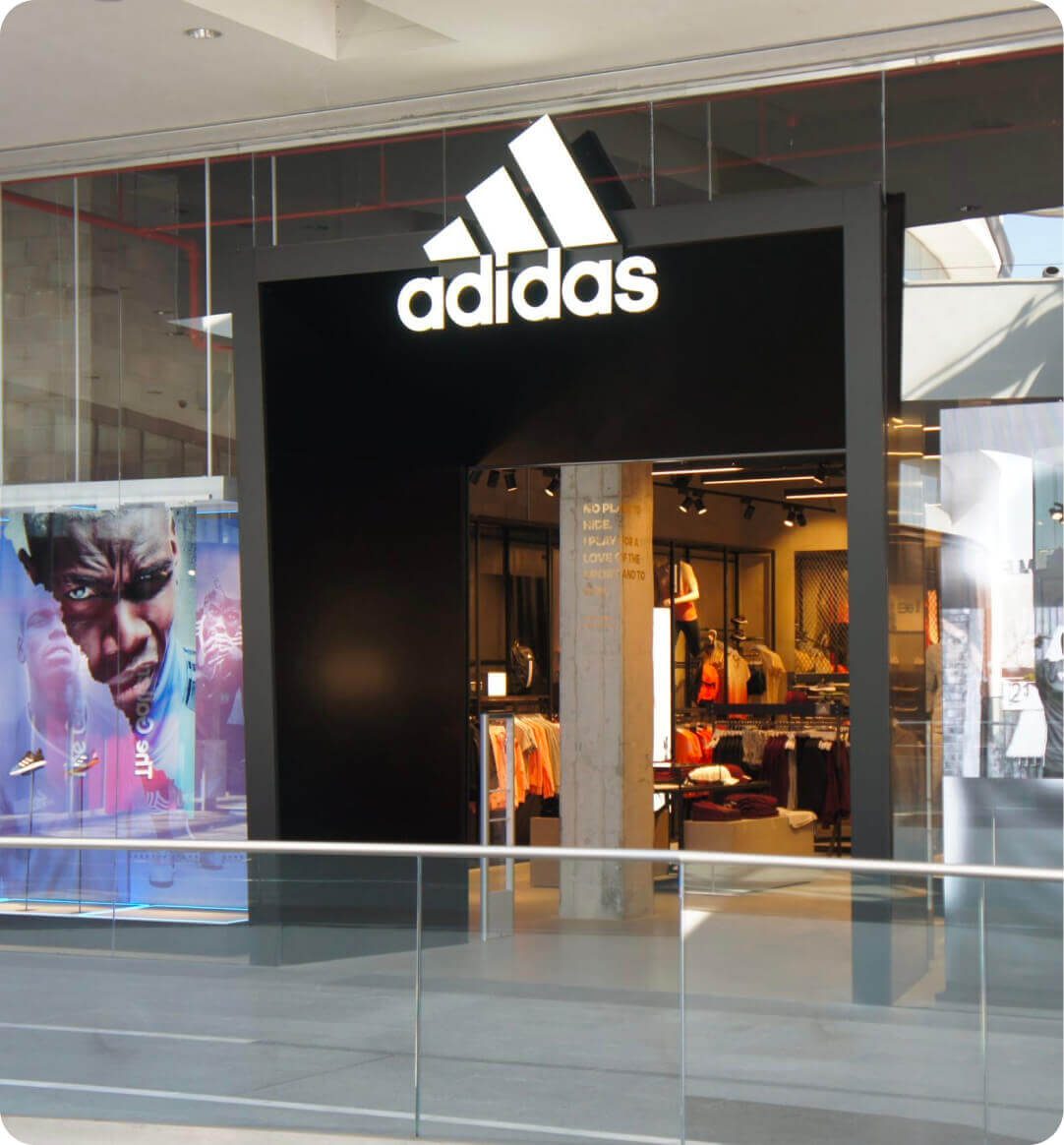
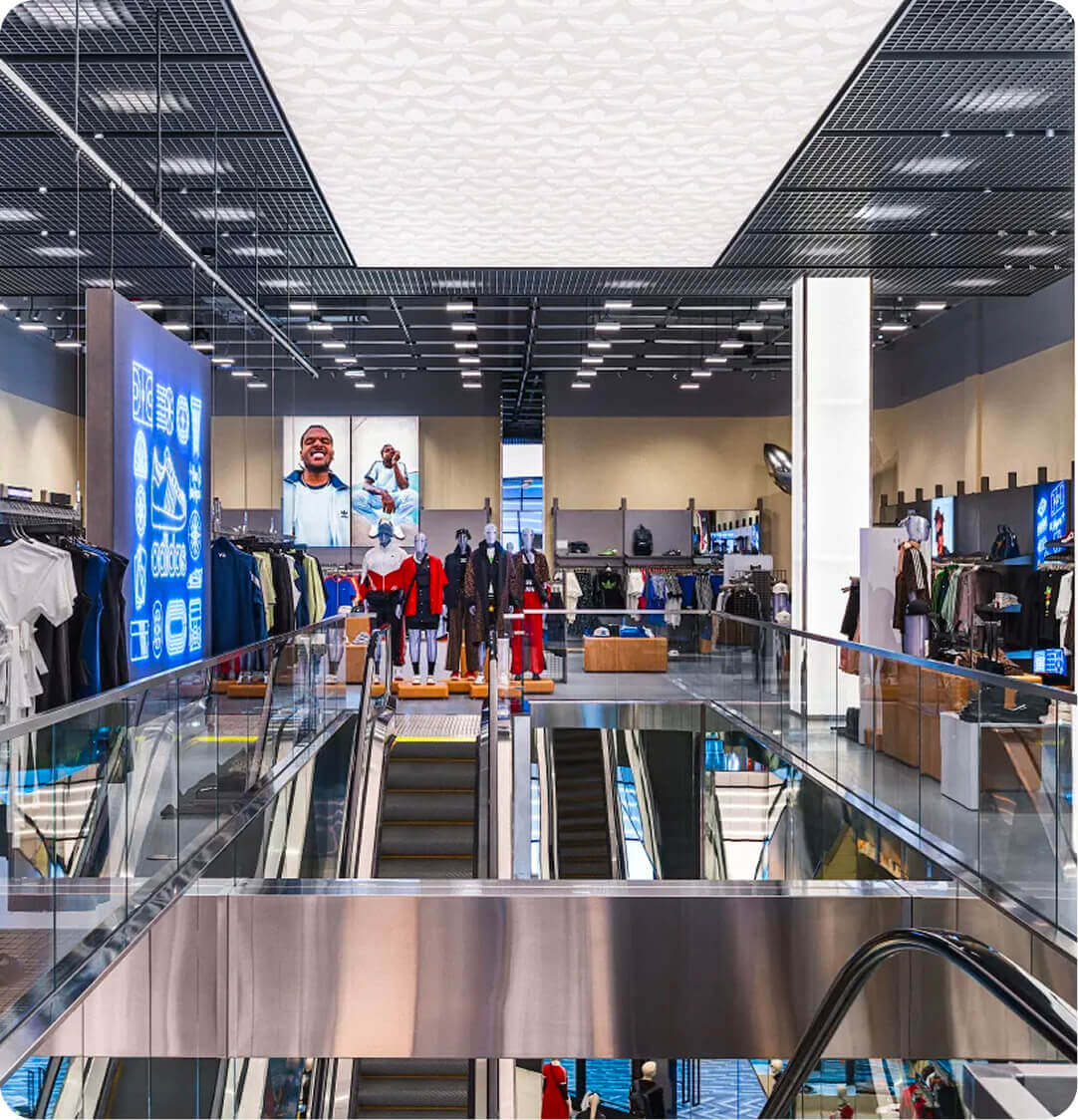
Adidas Store Front
Arrow CHALLENGE

Standing Out in a High-Distraction Mall Environment

For the Ultraboost launch at Adidas’s Tel Aviv store, this challenge was amplified by the mall environment. In a mall, shoppers are bombarded with information – shopfronts, billboards, eateries, pop-ups, and a swathe of other shoppers. Capturing their attention requires intercepting them before they have even decided to walk your way, not just appealing to those who are already at the door. The Ultraboost launch needed a format that could function as a destination in its own right – something visible enough to pull people across a concourse, compelling enough to make stopping feel worthwhile, and surprising enough to encourage them to capture and share their experience. 
Pain Point: Static in-store displays fail to generate the excitement, dwell time or shareability that high-stakes sneaker launches demand, particularly in the context of a busy mall environment.

Static product displays struggle to create the memorable, immersive experiences that drive customer engagement, loyalty and conversion during a product launch.

In a high-footfall mall environment, traditional retail formats cannot intercept shoppers at distance or compete with the sensory noise of the surrounding environment.

Shopping Mall

02. Challenge

Translating Product Innovation into a Physical Retail Experience

Arrow CHALLENGE

Building Cultural Momentum Around a Product Launch

A product launch strategy is a comprehensive plan designed to jumpstart, accelerate and scale product adoption once something hits the market. For innovative offerings, educating customers about a new product and its differentiators is critical for driving awareness during a launch. To communicate effectively, it is essential that a brand truly gets to know their customer. A lack of market understanding can lead to unclear value propositions and ineffective messaging during product launches. 
Adidas products are defined by their technical innovation and by the cultural stories that surround them. The Samba is a classic soccer-inspired shoe known for its flat, minimalist design and has transitioned into a streetwear icon. The Superstar shoe is famous for its distinctive rubber shell toe and has roots in basketball, becoming a symbol of hip-hop culture. The Adizero series is focused on speed and precision in running, utilising ultra-lightweight materials, while the Stan Smith is a minimalist tennis sneaker recognised for its versatility in everyday wear. Each of these products found their place in the culture, driven by their unique innovation. The Ultraboost needed to do the same.

Adidas 3D Hologram
Arrow CHALLENGE

Making Performance Innovation Immediately Understandable

Unlike heritage sneakers like the Samba or Superstar, which carry decades of cultural storytelling, the Ultraboost needed to earn its place in the conversation. Its story is rooted in technology, and technology is better  demonstrated than described. The Ultraboost features Boost cushioning technology, providing exceptional comfort and energy return. Adidas needed a way to communicate this in their physical retail spaces in a way that truly connected with customers, bringing the experience to life before they even try on the shoe. 
Pain Point: Communicating the technical innovation and cultural depth of Adidas sneakers in-store requires a medium capable of showcasing materials, movement and heritage in a way that stops customers and draws them in.

The gap between the immersive, dynamic content Adidas produces for digital channels and what traditional in-store displays can deliver.

The need to tell a distinct product story for this new launch while aligning with the existing retail store layout.

Adidas 3D Booth
The Solution

Forward-Thinking Product Launch Strategy for Retail

A well-defined product launch strategy helps build anticipation and showcase the unique value of the product and should include a comprehensive messaging strategy that communicates the key benefits of the product. HYPERVSN’s 3D technology excels at visualising the complex product details and compelling brand storytelling that Adidas launches demand.

Why HYPERVSN?

Adidas selected HYPERVSN as the market leader in immersive experiences powered by 3D holography. HYPERVSN’s ability to render product detail with exceptional visual precision made it the natural partner for a product whose entire identity is built on visible innovation.

Hardware Configuration

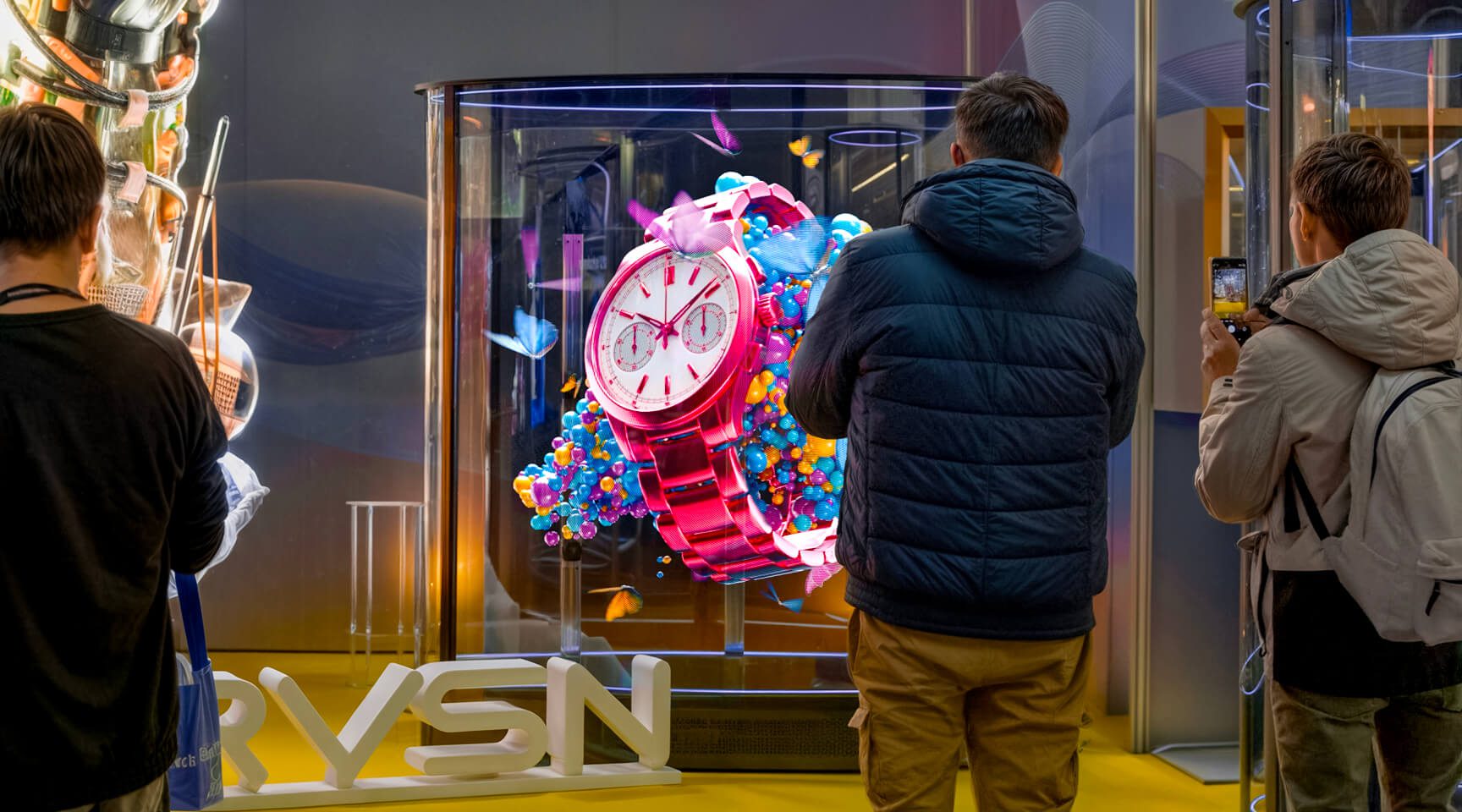
Two distinct installations working as a single connected system. Outside the store: a custom 360-degree holographic cube structure, with a 4-unit HYPERVSN SmartV Wall on each of its four sides. Inside the store: a single HYPERVSN Solo unit in a custom accessory.

Content Format

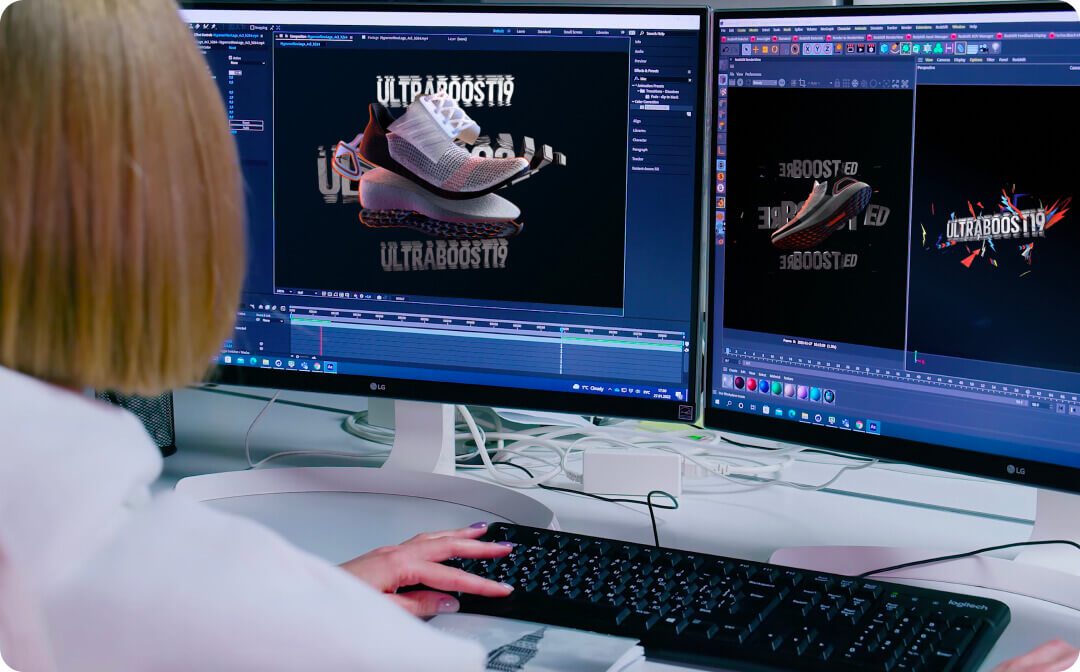
Ultraboost product images, brand messaging, campaign visuals and the Adidas logo visualised in high-definition 3D and deployed consistently across both installations to create a unified brand moment inside and outside the store.

Placement Strategy

The external cube was positioned in the mall, near escalators, to intercept foot traffic flowing past the store from any direction with a 360-degree broadcast. The in-store Solo served as a continuation of this journey, deepening product engagement for customers the cube had already drawn in.

Traditional 2D Signage

HYPERVSN 3D Holograms

Engagement

Low, blends into background High, stands out and elicits emotion

Storytelling

Limited, static or 2D animations Vivid, highly detailed 3D visuals

Phygital Effect

Feels separate from or imposed on physical store Augments and interacts with physical retail environment

Shareability

Low Highly Instagrammable

Impact in Innovation

Retail Technology That Drives Growth

Visual

Visual Engagement

The 360-degree holographic cube outside the store functioned as an unmissable presence in the mall, broadcasting Ultraboost content in every direction simultaneously. Shoppers encountered the sneaker campaign at distance, generating curiosity-driven foot traffic that static storefront displays could never have reached.

Stars

Product Storytelling

The two-stage installation created a natural customer journey with the external cube capturing attention and the in-store Solo delivering a more intimate product discovery experience. Both placements featured high-quality, dynamic, innovation-led product storytelling.

Customers

Brand Perception

The scale and precision of the installation solidified Adidas’s reputation as an innovator in the sportswear space. It also signalled the high-tech nature of the Ultraboost product itself, positioning it as performance footwear rather than an everyday sneaker.

Heart

Social Amplification

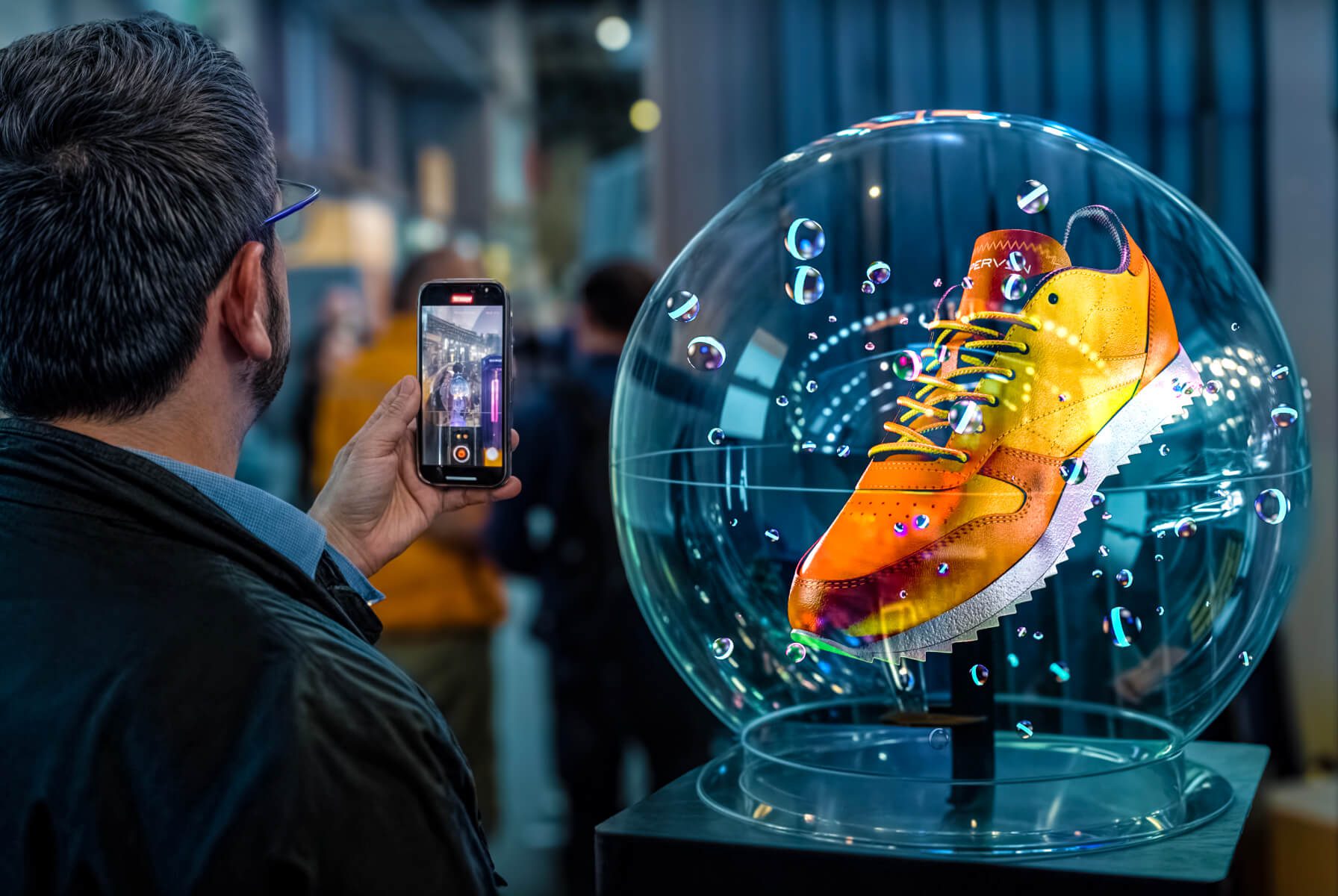
Both the external cube and the in-store Solo proved highly shareable, generating organic social content that extended the Ultraboost launch’s reach well beyond the Tel Aviv mall. The 360-degree cube in particular gave shoppers something worth stopping to film. 

Arrows

Sales Enablement

The in-store Solo functioned as a powerful conversation starter, giving the sales team a compelling visual reference point for Ultraboost product conversations. The external holographic cube ensured customers arrived in-store already engaged and intrigued by the Ultraboost.

Gear

Operational Flexibility

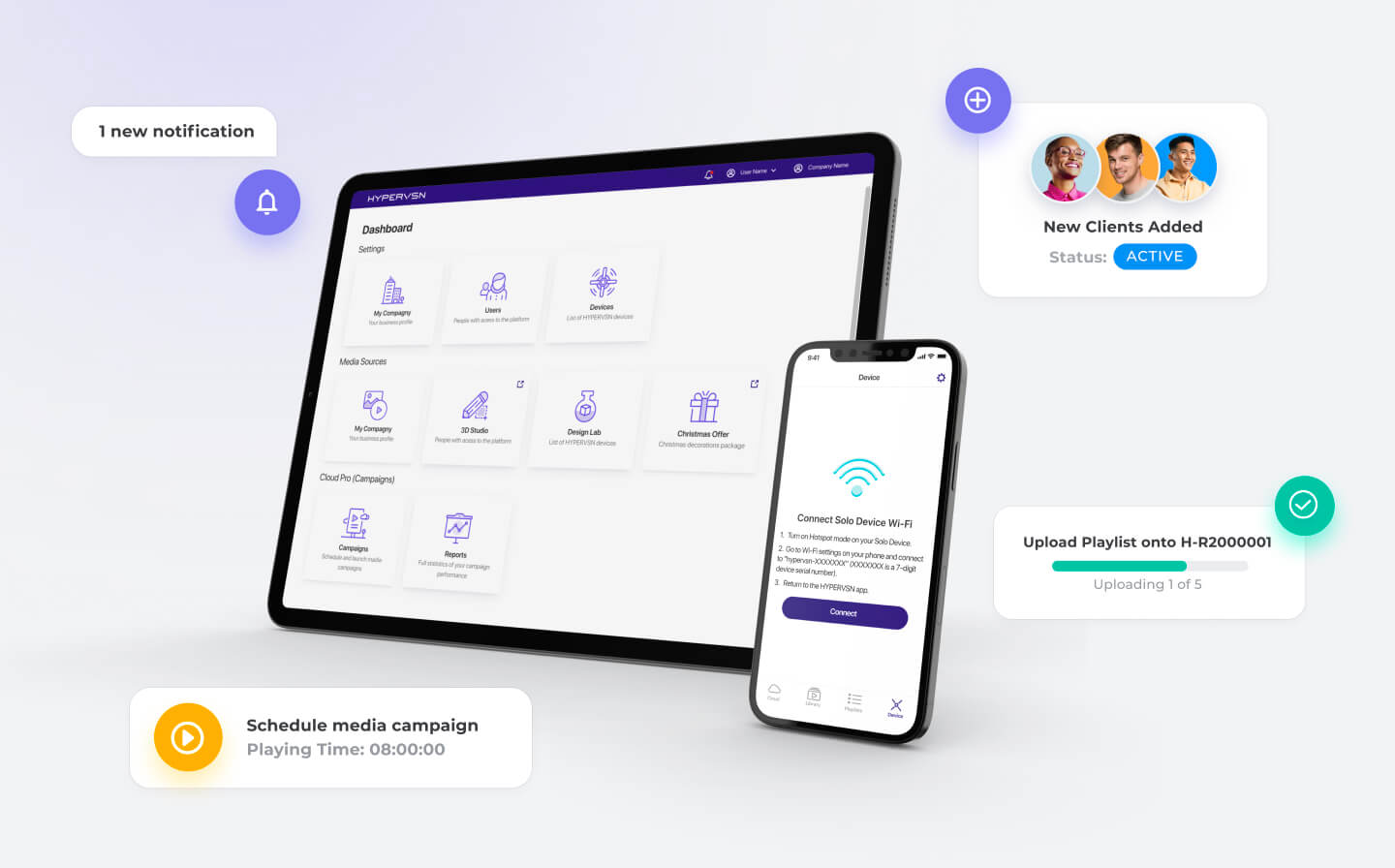
Remote management through the HYPERVSN CMS gave Adidas full control over both installations without on-site technical support. This allowed for seasonal campaigns, amends based on customer behaviour and last-minute promotions.

Integration & Compatibility

Technology Used

This Adidas Ultraboost launch at Tel Aviv used two complementary HYPERVSN installations:
External: A custom 360-degree cube structure with a 4-unit HYPERVSN SmartV Wall on each of its four sides (16 units in total), positioned in the mall to intercept foot traffic from any direction.
In-store: A single HYPERVSN Solo unit in a custom accessory, delivering focused product storytelling inside the store.
Safety and compliance notes: Proper installation is required to avoid malfunctions or hazards. To prevent consumers from touching the holographic devices, an appropriate distance and/or protective accessories are recommended. HYPERVSN provides set-up support and a range of stylish, practical accessories.

4K resolution with brightness of up to 3,000 nits 

Patented technology 

Cloud-based CMS for ultimate control 

70% less energy consumption than traditional 2D LED screens 

YOUR HOW-TO GUIDE 

Innovate Your Product Launch Like Adidas

A product launch is a planned and organised effort to release a new product for sale. Here is a step-by-step guide to deploying 3D holographic technology as part of your own launch strategy based on the approach Adidas used to make it work. 

  • Step 1: Align Your Holographic Strategy with Launch Objectives

    Start with clarity on what the installation needs to achieve. A well-defined product launch strategy helps in aligning various aspects of the launch and optimising resources. Is the priority awareness, education, competitive differentiation or social amplification? The answer will determine specifics of your holographic campaign. Poor timing can significantly damage the success of a product launch, so this must also be taken into account in the launch plan. 

  • Step 2: Build a Compelling Product Narrative

    Translate your product’s unique value proposition into a holographic story. Creating a compelling product story can help connect the product to user benefits and enhance its market appeal. Be sure to use market research in building this narrative, as Insufficient audience research can result in ineffective messaging and unclear value propositions. Consistent messaging across all communication channels reinforces the product’s value proposition and brand identity, so holographic content should be built from the same creative foundation as other campaign messaging. 

  • Step 3: Choose Placement Strategically

    The Adidas Tel Aviv installation demonstrates that the most powerful holographic moment can happen before the customer has even decided to walk in. The external 360-degree cube attracted mall foot traffic from every direction while the in-store Solo deepened engagement for customers already committed. These are two different jobs, and the right format for each will depend on your environment, your audience and your launch objectiveWhen planning a dual installation like this, coordinate the two placements as a single campaign journey rather than two separate activations, with consistent content, consistent timing and a clear handoff between the attention-capture moment and the product storytelling moment. 

  • Step 4: Plan for Agility and Post-Launch Momentum

    One of the greatest advantages of the HYPERVSN CMS is the ability to update content remotely without store downtime. Post-launch promotions are vital for maintaining momentum and maximising a product’s impact, and the responsive nature of HYPERVSN solutions allows for content to be updated accordingly. Regularly monitoring and analysing metrics provides insight into the effectiveness of the launch strategy of a product. With HYPERVSN CMS, clients can action changes based on real-time results. 

  • Step 5: Measure and Build on What You Learn

    Establishing key performance indicators (KPIs) is essential to measure the success of a product launch. For holographic retail activations, the most relevant metrics include dwell time, foot traffic uplift, social media reach, conversion rate in hologram locations versus control stores, and staff feedback. This data can be used to iterate for future launches and holographic campaigns. 

Need Clarification?

Frequently Asked Questions

  • What are 3D holograms?

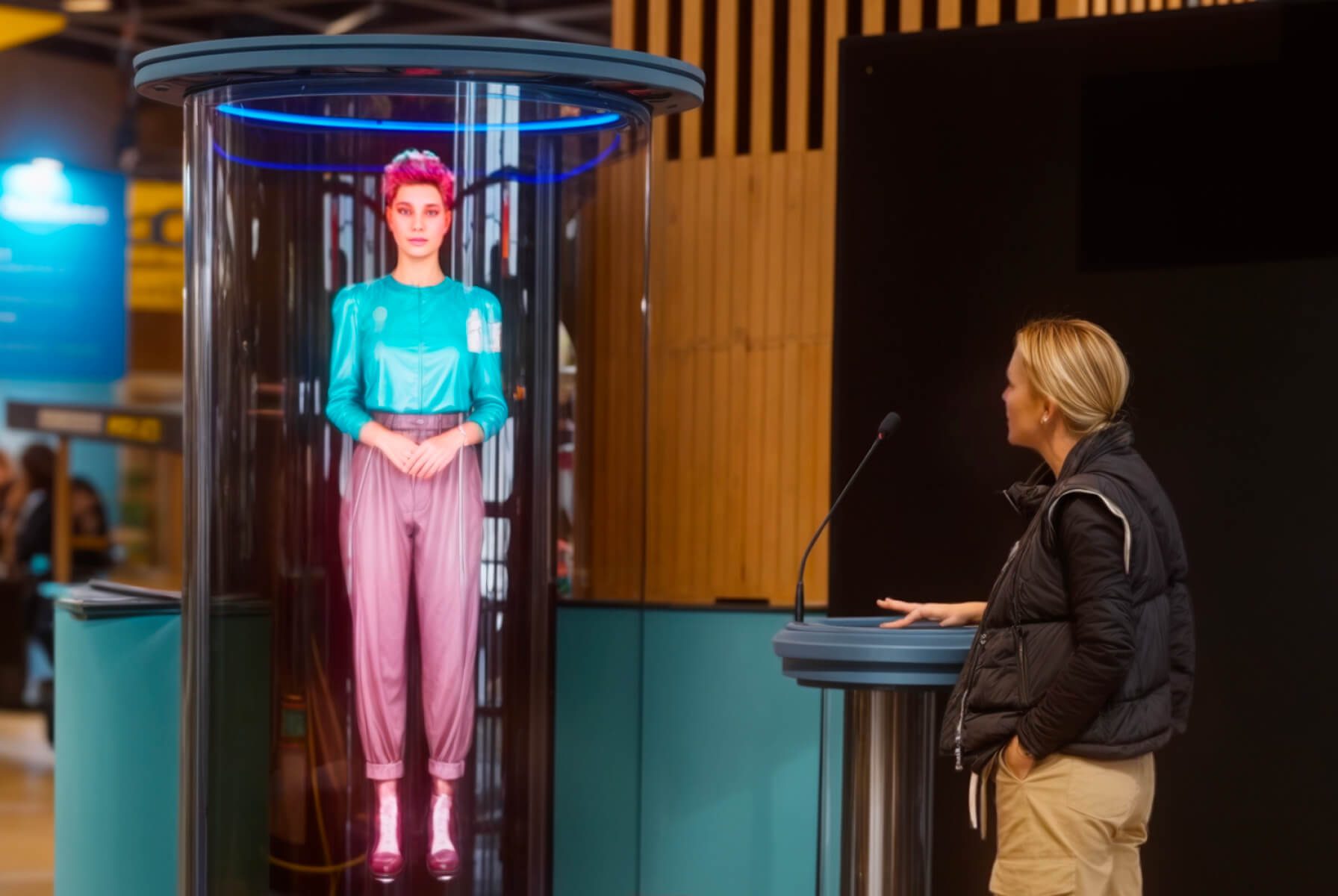
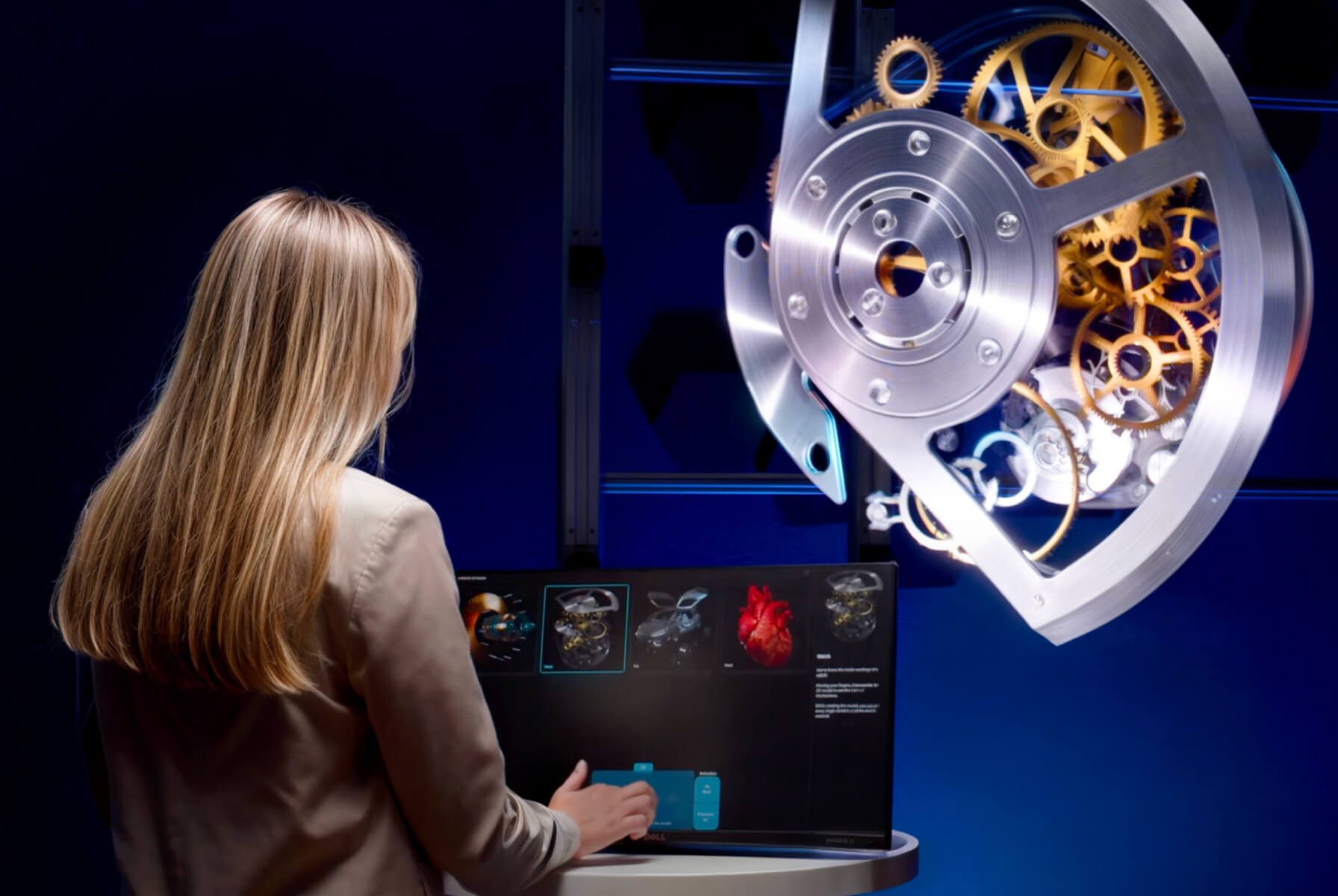
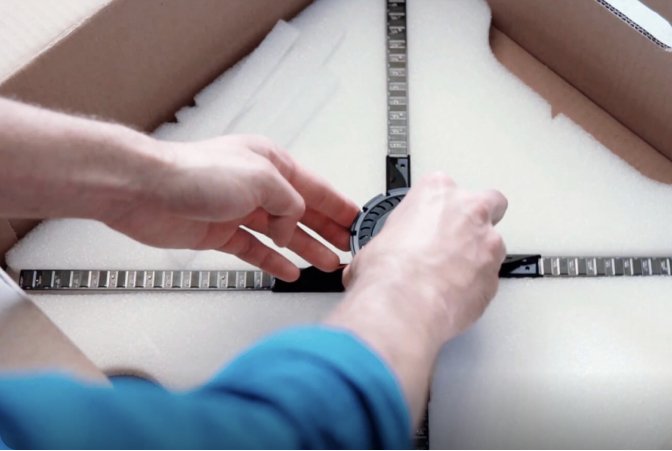
    HYPERVSN 3D holograms use proprietary technology to generate sharp, vivid images that appear to float in mid-air. High-speed LED-based rotors spin at speeds that make the blades invisible to the human eye, leaving only high-definition 3D holographic content. Unlike traditional 3D displays, no specialist glasses or headsets are required – the effect is visible to the naked eye. With a brightness of 3,000 nits, displays remain vivid even under intense ambient lighting or direct sunlight. 


  • What is Adidas’s position in the market?

    Adidas is the second biggest sportswear brand globally after Nike. Adidas categorises its business into three main segments: Performance, Originals and Sportswear. Footwear represents approximately 59% of Adidas’ sales in 2024, while apparel comprises about 35%. As well as being known for product quality and innovation, the brand has become a cultural mainstay, driven by high-profile collaborations with athletes and cultural icons like Lionel Messi and Beyoncé. 

  • What content works best in holographic displays for product launches?

    Product rotations showcasing design details from multiple angles, close-ups of material innovations and animated sequences that connect a product’s heritage to its current positioning all perform strongly. Holographic content is one of the most effective formats available for product education, because it makes innovation visible and tangible rather than described. For the Ultraboost specifically, content that visualised the Boost cushioning in motion communicated the product’s core innovation in a way that no static image or product description could.  

  • What makes a successful product launch?

    Though it may seem like a marketing responsibility, a successful product launch requires the coordinated effort of many teams and departments across the company. The product launch strategy provides a framework for aligning various aspects of the launch. Creating a complete timeline that outlines the sequence of activities leading up to the launch is crucial. Before the product goes to market, conducting thorough research to understand the target market is a core component of an effective product launch strategy. Training the sales team on the new product is also a key component of a product launch checklist. A typical product launch checklist should include testing and quality assurance of the new product, as well as developing a plan for tracking user behaviour. Drafting and distributing sales and marketing collateral is, of course, an important step in a product launch. Conducting a product launch pre-mortem helps teams think through possible problems that could hurt the product launch and plan for them effectively. Feedback and reviews are pivotal for a product’s success and perception during a product launch. Companies often fail to adapt based on feedback, which can hinder the success of the launch. 

  • What is the best marketing approach for a product launch?

    A product launch helps organisations build anticipation for the product and gather valuable feedback from early users. Building anticipation before a product launch is crucial for generating interest and ensuring a successful introduction. Using multiple channels for product promotion can broaden reach and engage a larger audience. For example, using influencer marketing can enhance product visibility and credibility during a launch. Remarketing can help connect with audiences who have shown interest in a product but have not yet made a purchase. However, physical channels are as important as online ones – and this is where HYPERVSN holographic technology can help. Whether online or offline, too much communication can overwhelm users and negatively impact their experience with a product launch. The focus should be on high-quality, engaging content rather than constant communication. 

  • What challenges can cause a product launch to fail?

    Underestimating competition is a common reason for product launch failures. This is why it is important for product USPs and brand storytelling to be clear and present throughout all communications. Misaligning pricing with perceived value is another major factor that can lead to product launch failure. Gathering feedback from early users is an important step in the product launch process. Companies that do not validate product and feature hypotheses quickly can slow down their launch process. Launching to a broad audience without segmentation can lead to lower retention rates over time. Internally, a lack of clarity in roles and responsibilities can lead to wasted resources during a product launch. 

  • What is the environmental impact of HYPERVSN holographic displays?

    HYPERVSN 3D holograms use 70% less energy than traditional 2D LED screens, primarily because the LED rotors require significantly less power than a solid backlit panel. Remote content updates via the HYPERVSN CMS also eliminate the need for printed promotional materials across the campaign lifecycle. For a brand like Adidas — executing a sustainability strategy built around recycled materials and carbon reduction — holographic retail aligns with those commitments at the in-store level. 

Start Your Project with HYPERVSN

Get in touch to discuss how 3D holography could transform your passenger experience and boost customer satisfaction.

4 Item in cart

HYPERVSN 3D Catalog

USD 1,200

Qty

Remove Item

HYPERVSN 3D Catalog

USD 1,200

Qty

Remove Item

HYPERVSN 3D Catalog

USD 1,200

Qty

Remove Item

Cart Subtotal:

USD 3,600