A successful immersive experience does more than attract attention. It gives people a reason to stop, look closer, interact with a brand and remember what they have seen. A 3D hologram can help achieve that by presenting digital content as a striking three-dimensional visual experience that stands out from conventional screens and printed displays.
From retail activations and product launches to exhibitions, live events and experiential marketing campaigns, 3D hologram technology offers new ways to communicate ideas, showcase products and transform physical spaces.
But how do you turn the idea of a holographic experience into a successful project? The answer starts with understanding the technology, defining your objectives and choosing the right approach for your audience and environment.
What Is a 3D Hologram?
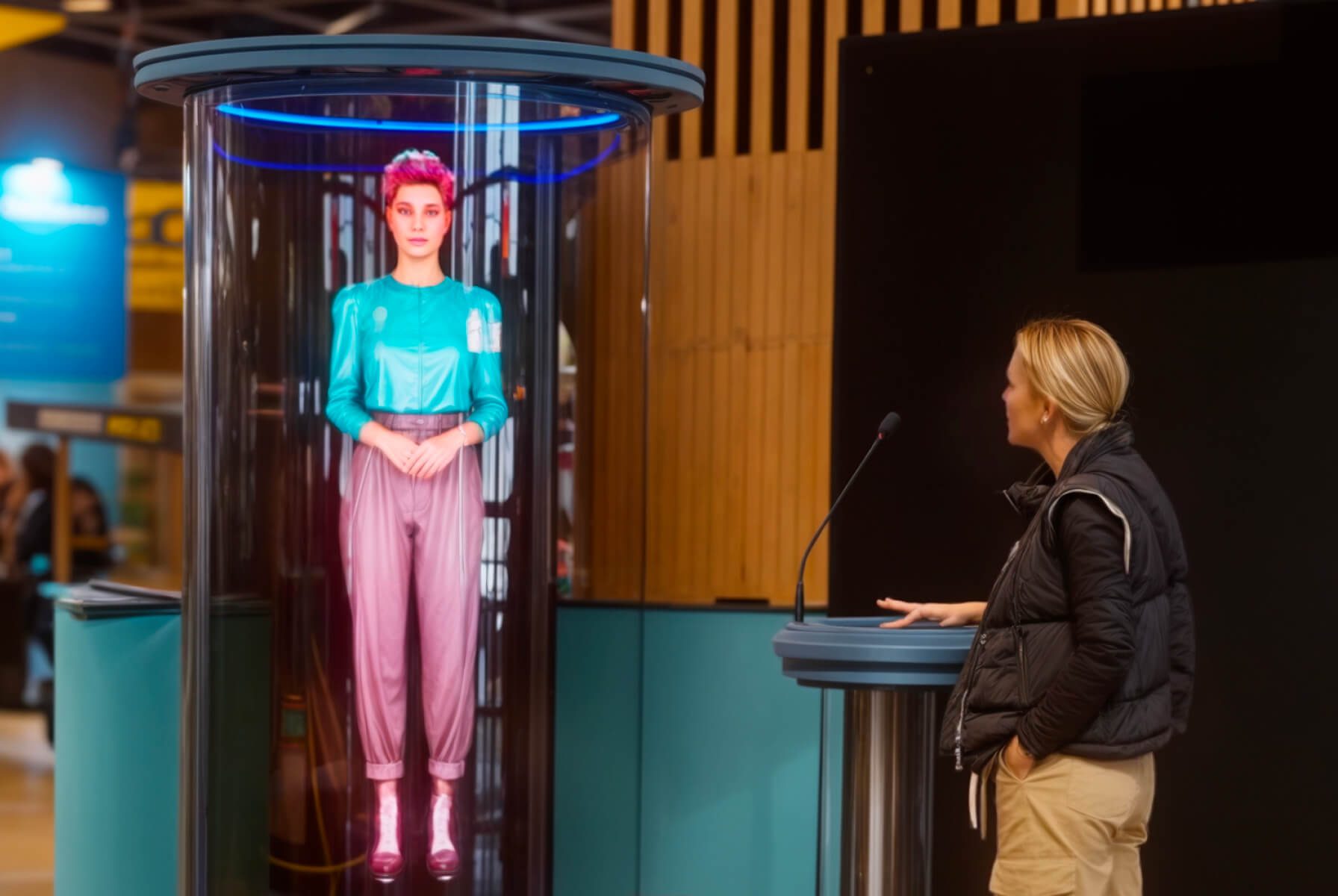
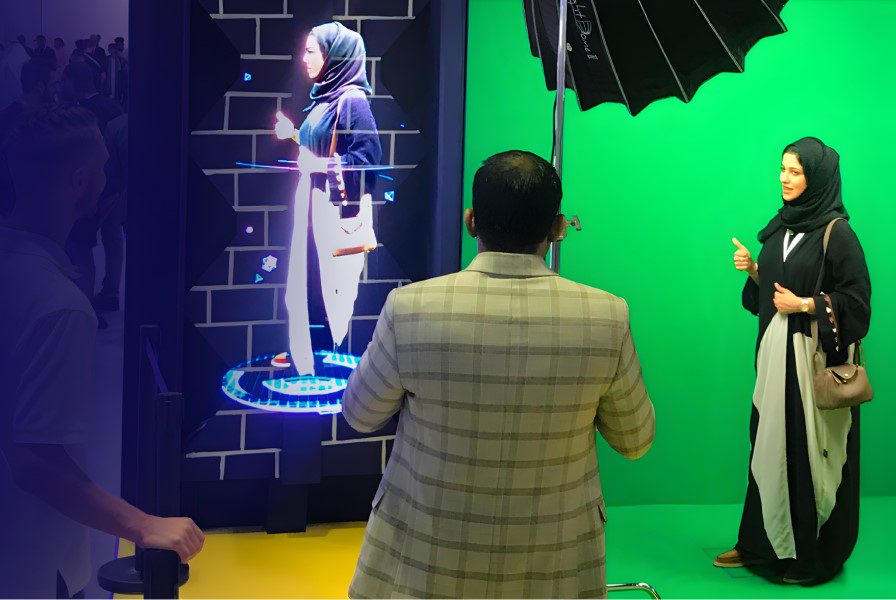
A 3D hologram is a visual representation designed to create the perception of depth and three-dimensional form. In commercial environments, the term commonly describes several display technologies that make digital objects, animations or people appear to float in space or occupy a physical environment.
Not every product marketed as a hologram uses the same technology. Some systems rely on transparent screens, projection surfaces or carefully arranged optical effects. Others use specialised LED display hardware to create the illusion of floating three-dimensional content.
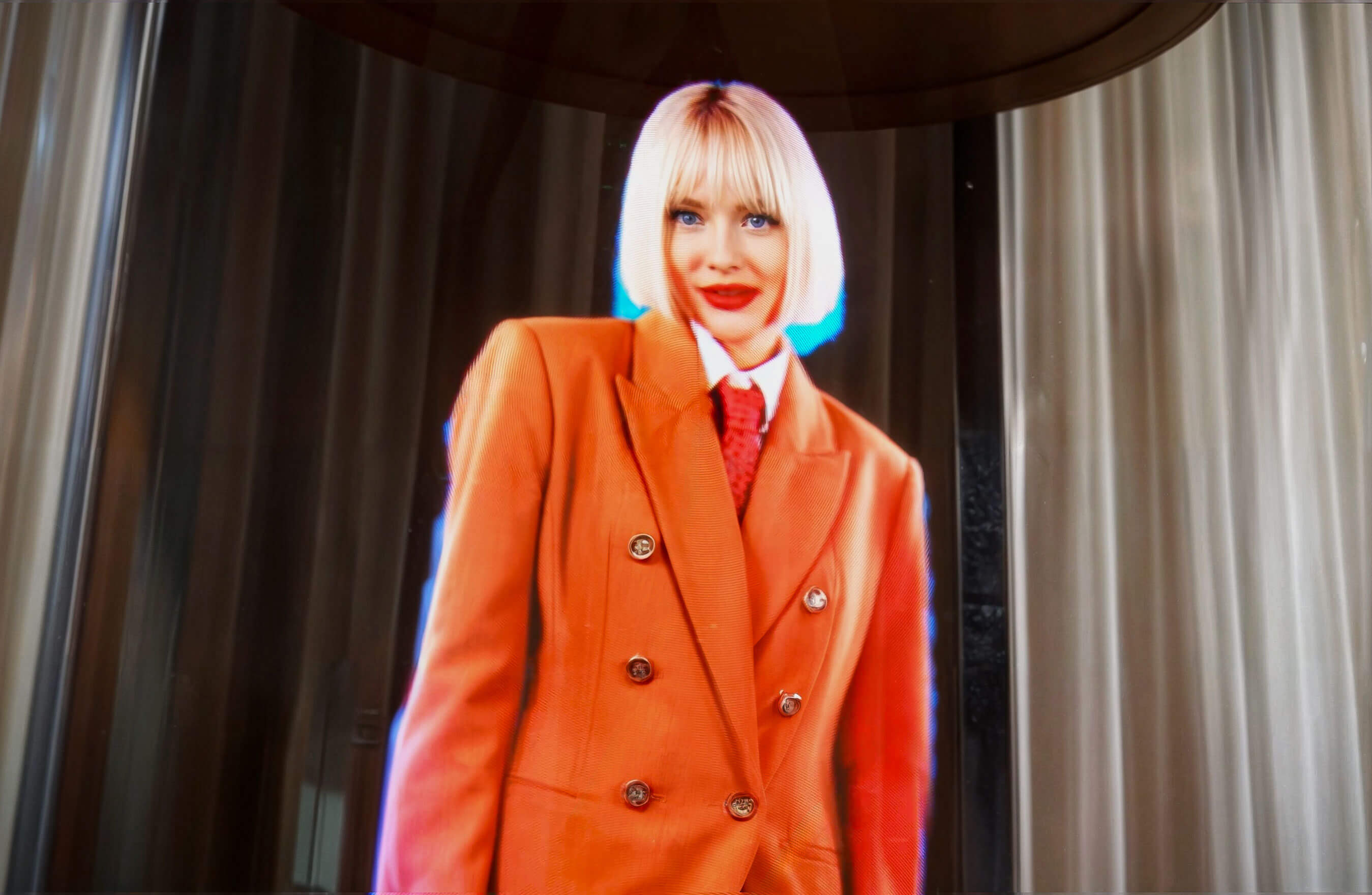
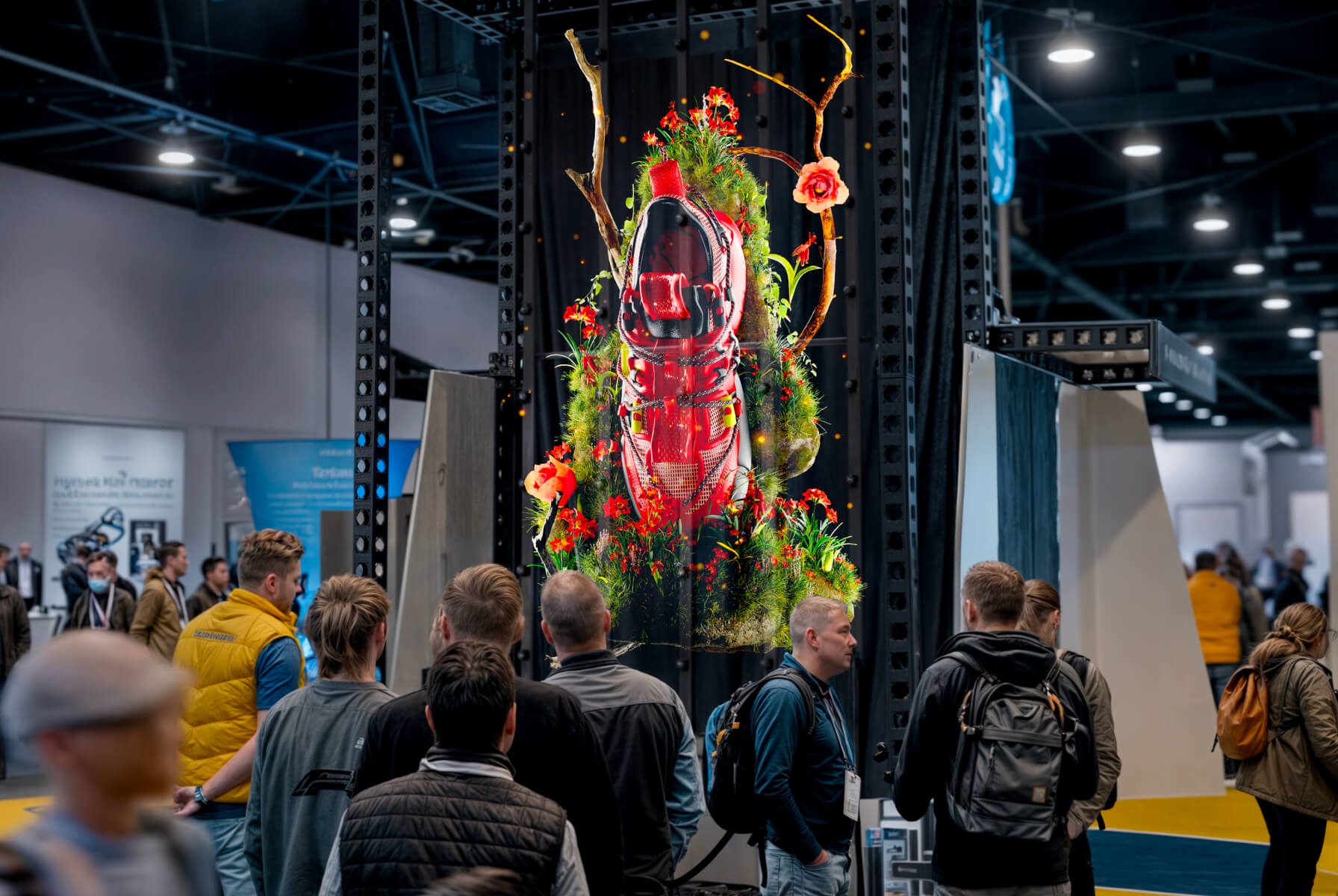
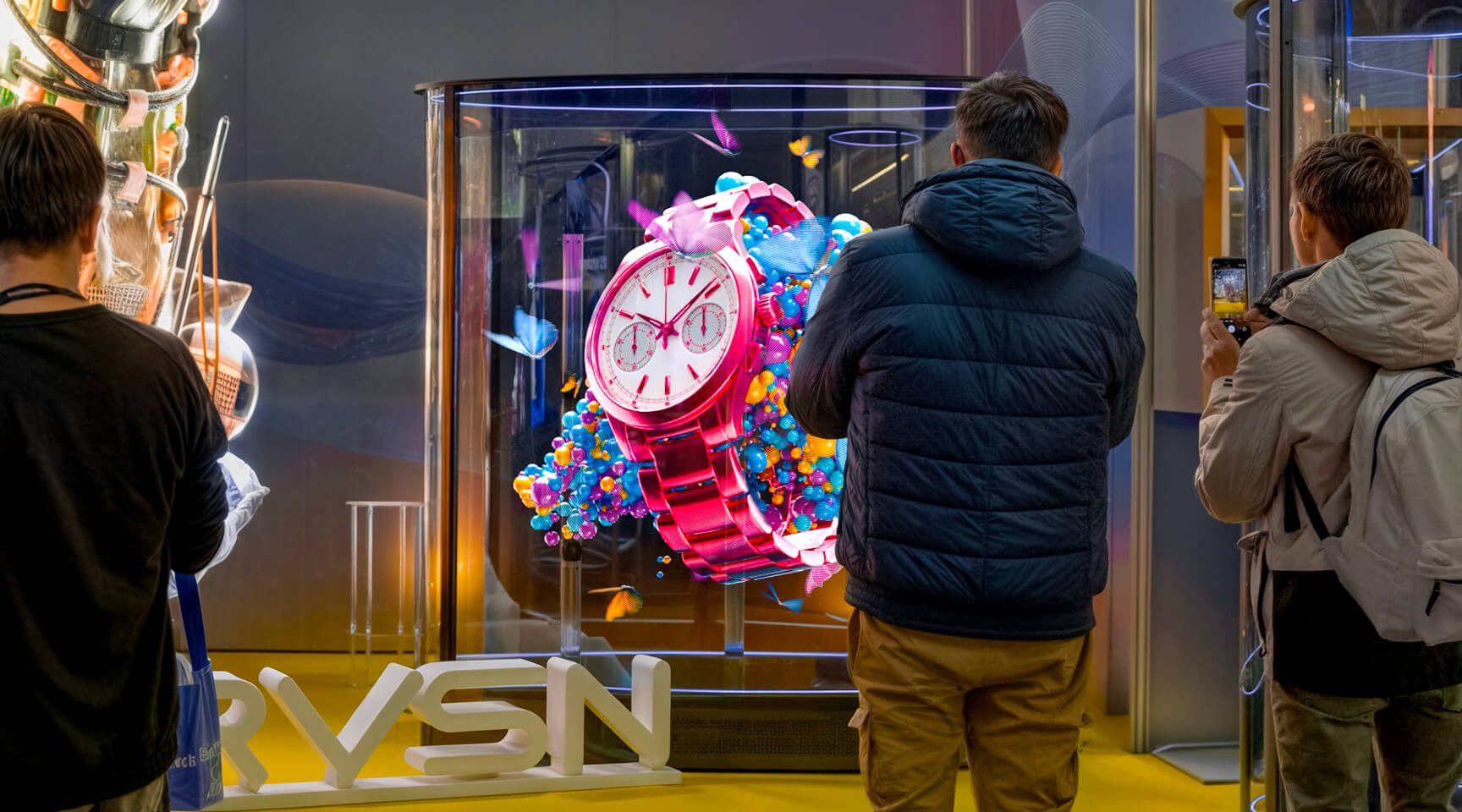
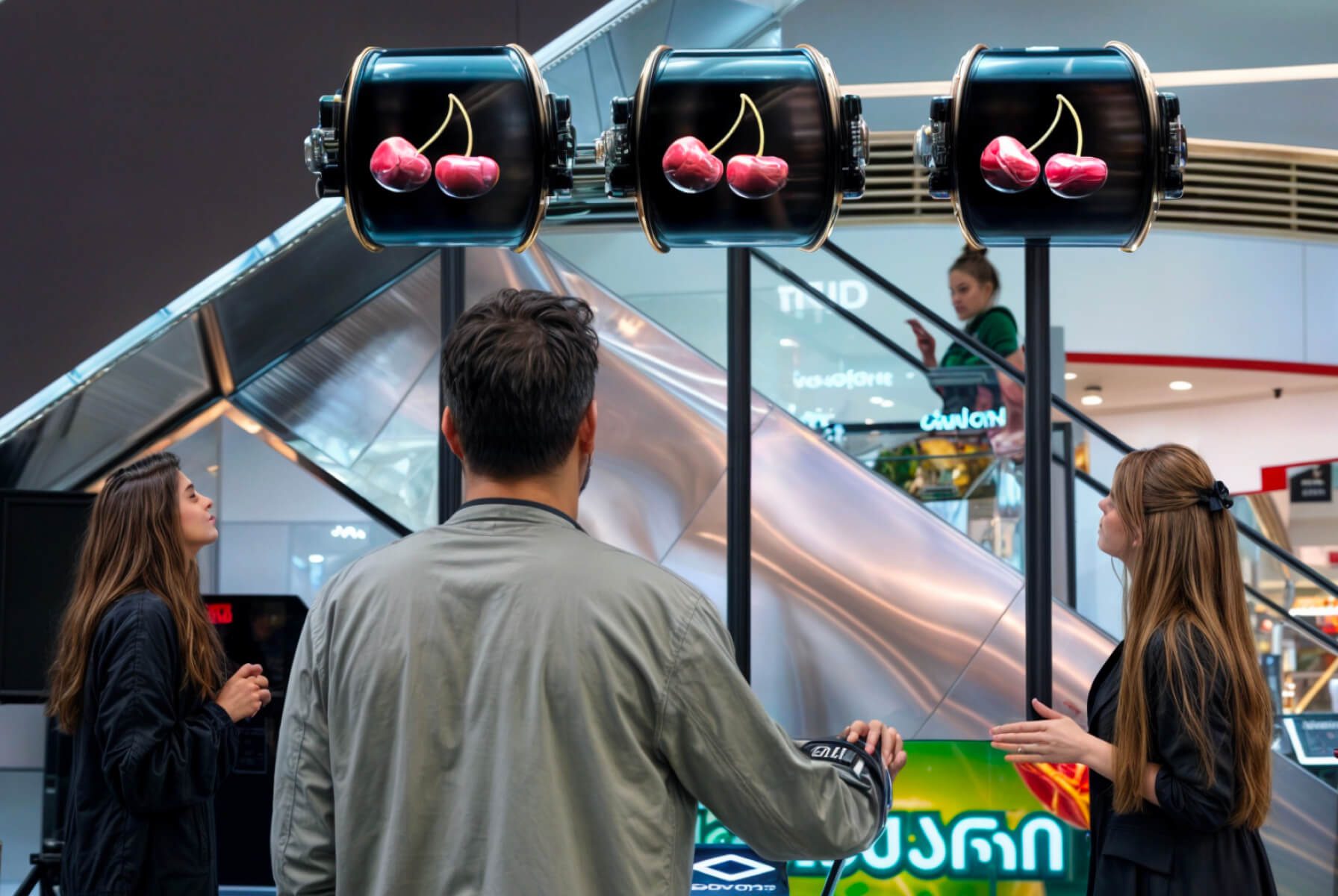
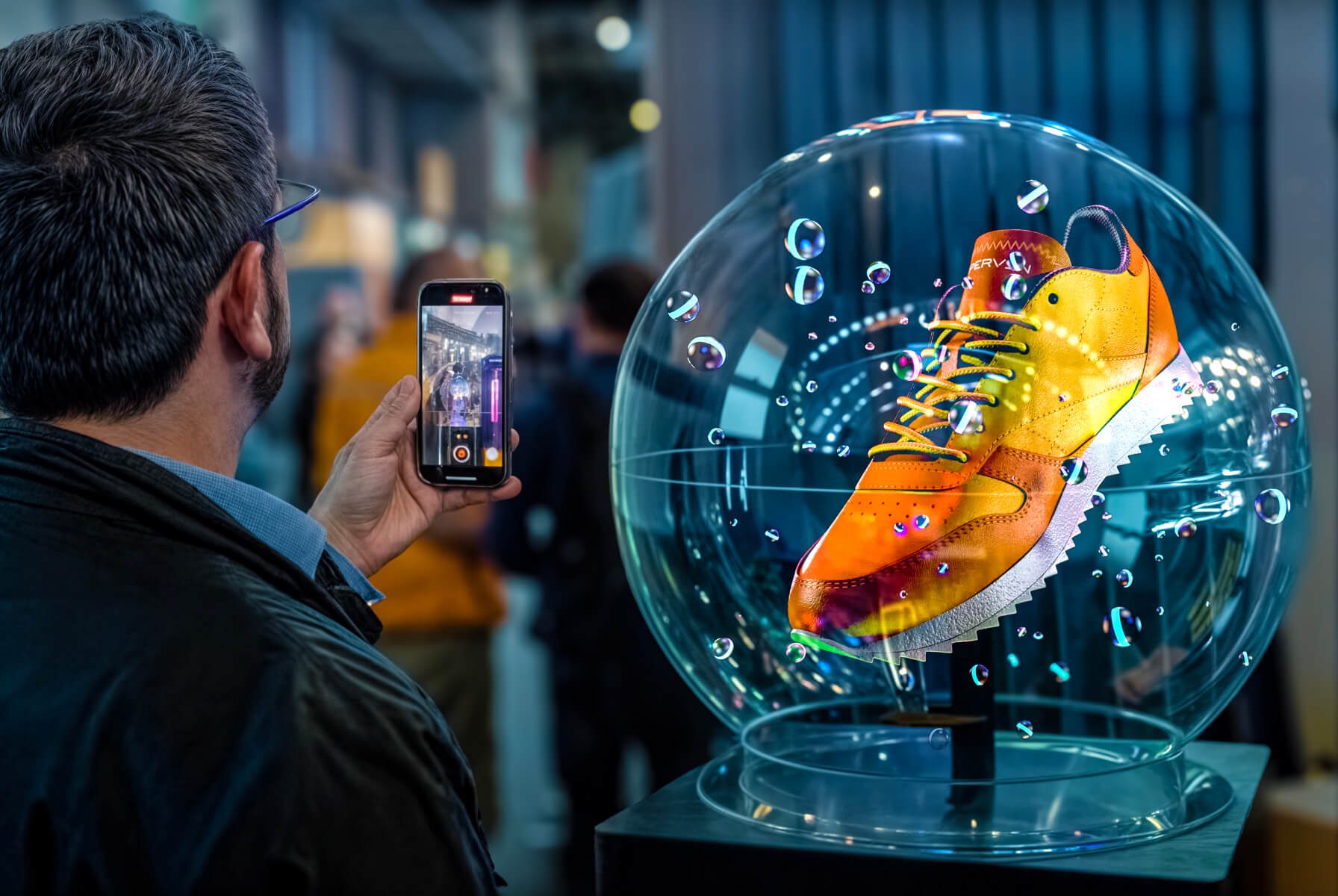
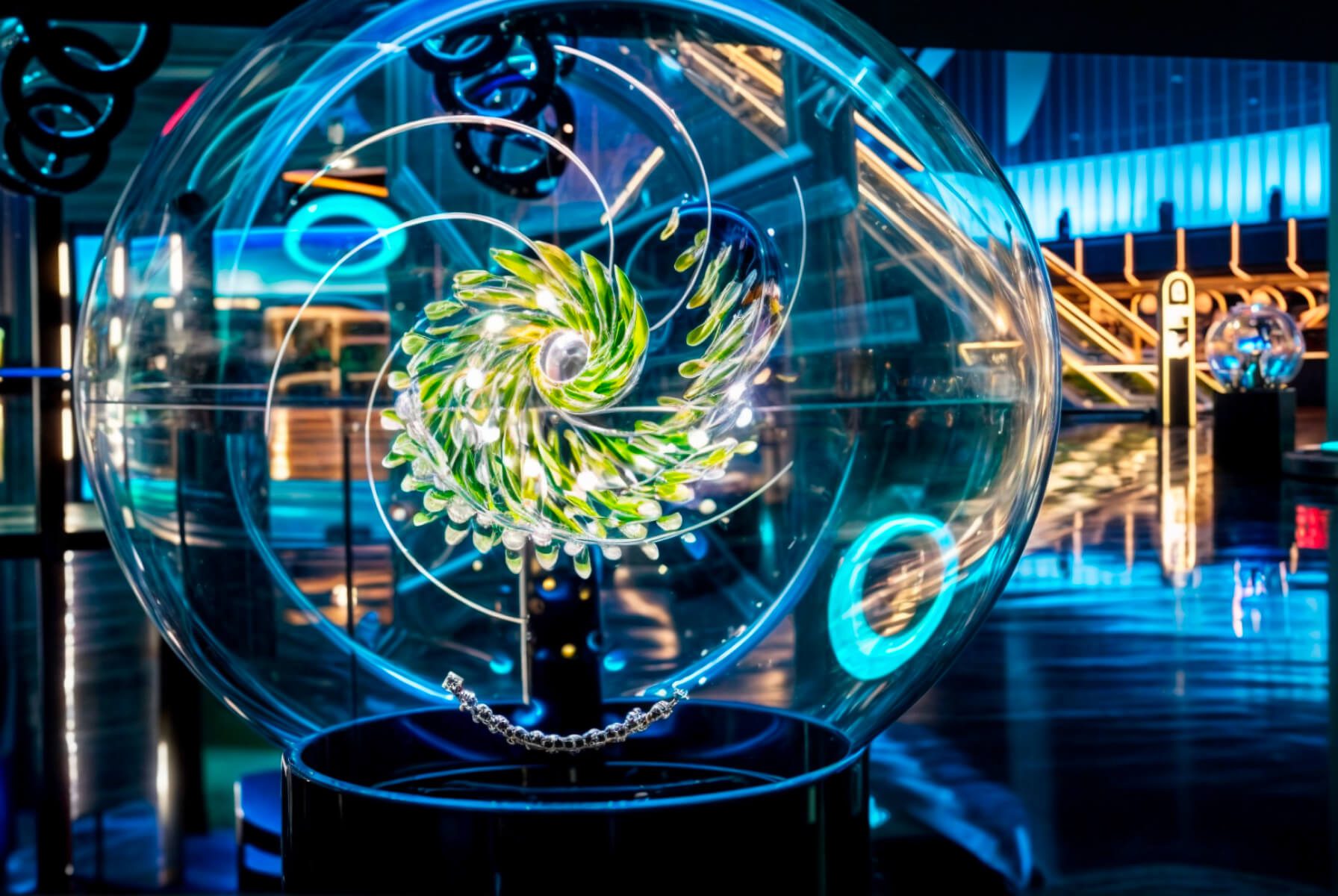
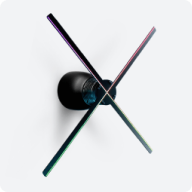
For example, HYPERVSN uses specialised LED-based display systems that render moving visuals to create a distinctive floating 3D effect. When paired with appropriately designed content, these displays can make products, brand symbols, characters and digital objects appear suspended in the surrounding space.
The result is a visual experience that encourages people to look from different angles, approach the display and engage with the content.
For businesses, the value of a 3D hologram lies not only in its visual impact but also in its ability to communicate a message in a memorable format.
Why Use a 3D Hologram in an Immersive Project?
Immersive projects compete for attention in environments filled with screens, advertisements and other distractions. A 3D hologram introduces a different visual element, helping brands create a focal point around which an experience can be built.
1. Make products stand out
Traditional product photography and video are effective communication tools, but a three-dimensional visual presentation offers another way to showcase shape, movement, features and design.
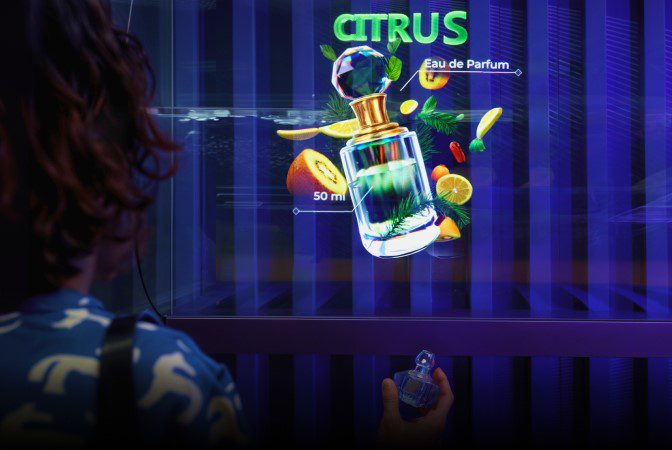
A holographic display can present a rotating product, highlight individual components or visualise a concept that would otherwise be difficult to demonstrate physically.
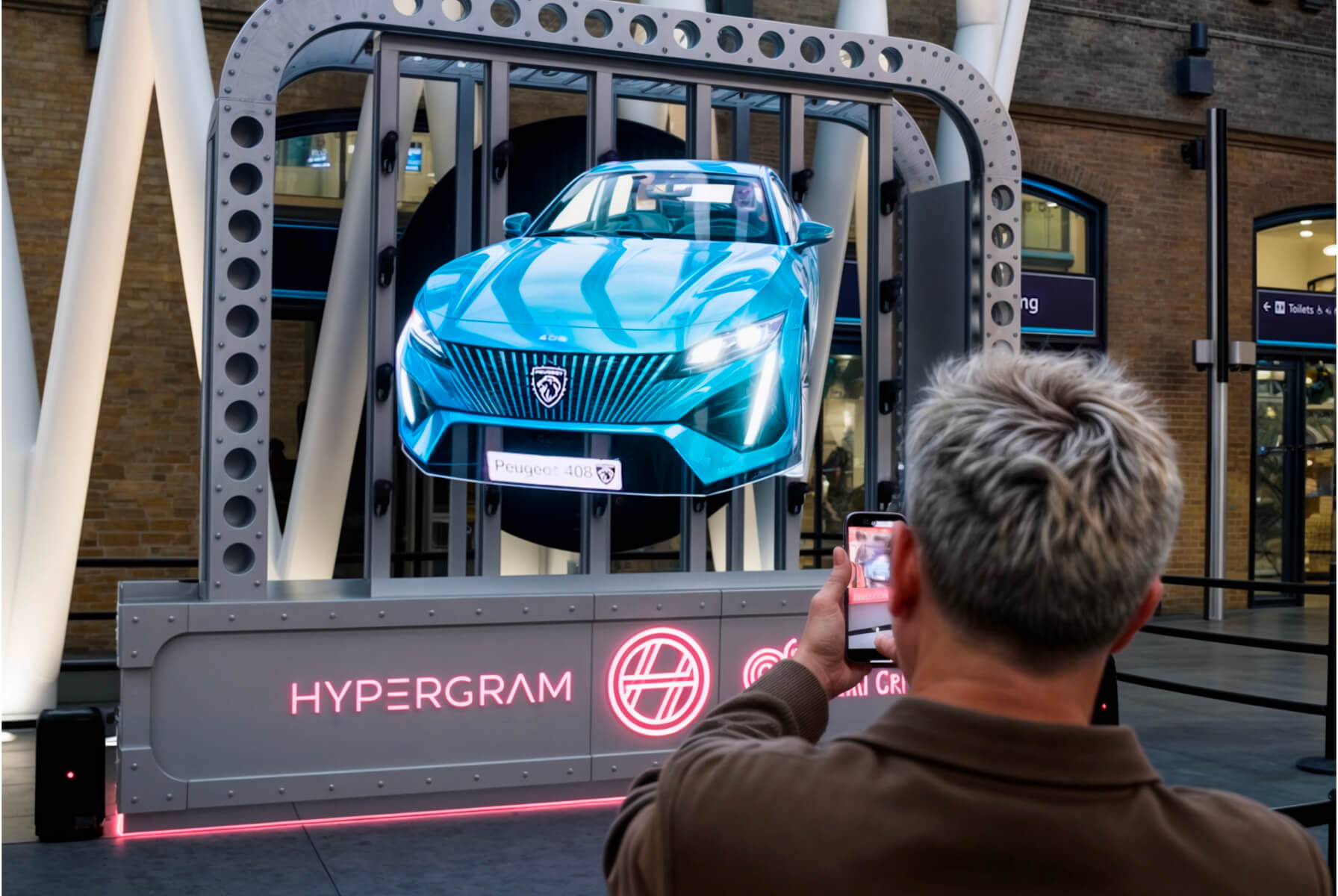
This makes the format particularly relevant to product launches, automotive presentations, consumer electronics, luxury goods and technology demonstrations.
2. Create memorable brand experiences
An immersive project needs a recognisable visual centrepiece. A 3D hologram can turn a logo, mascot, product or branded animation into an attention-grabbing installation.
At a trade show, it can help distinguish a stand from neighbouring exhibitors. In a retail environment, it can reinforce a seasonal campaign. At a corporate event, it can introduce a new product or communicate a complex idea through visual storytelling.
The most effective installations connect the visual effect to a clear brand message rather than relying on spectacle alone.
3. Encourage audience engagement
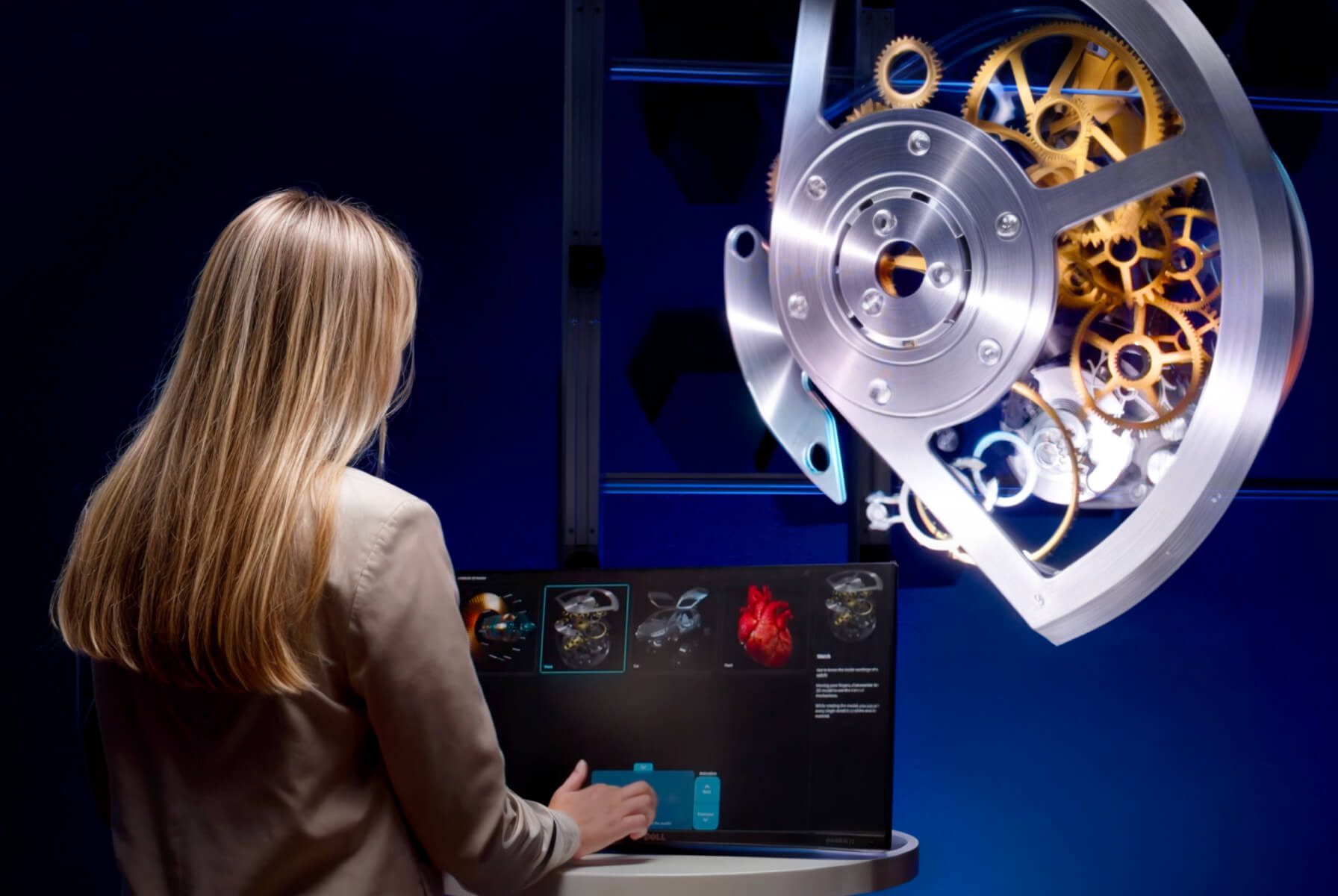
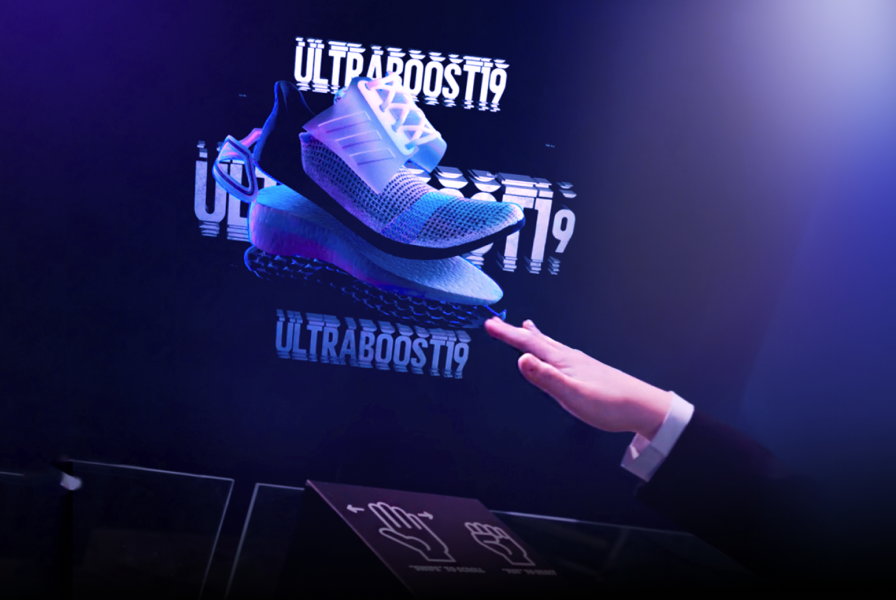
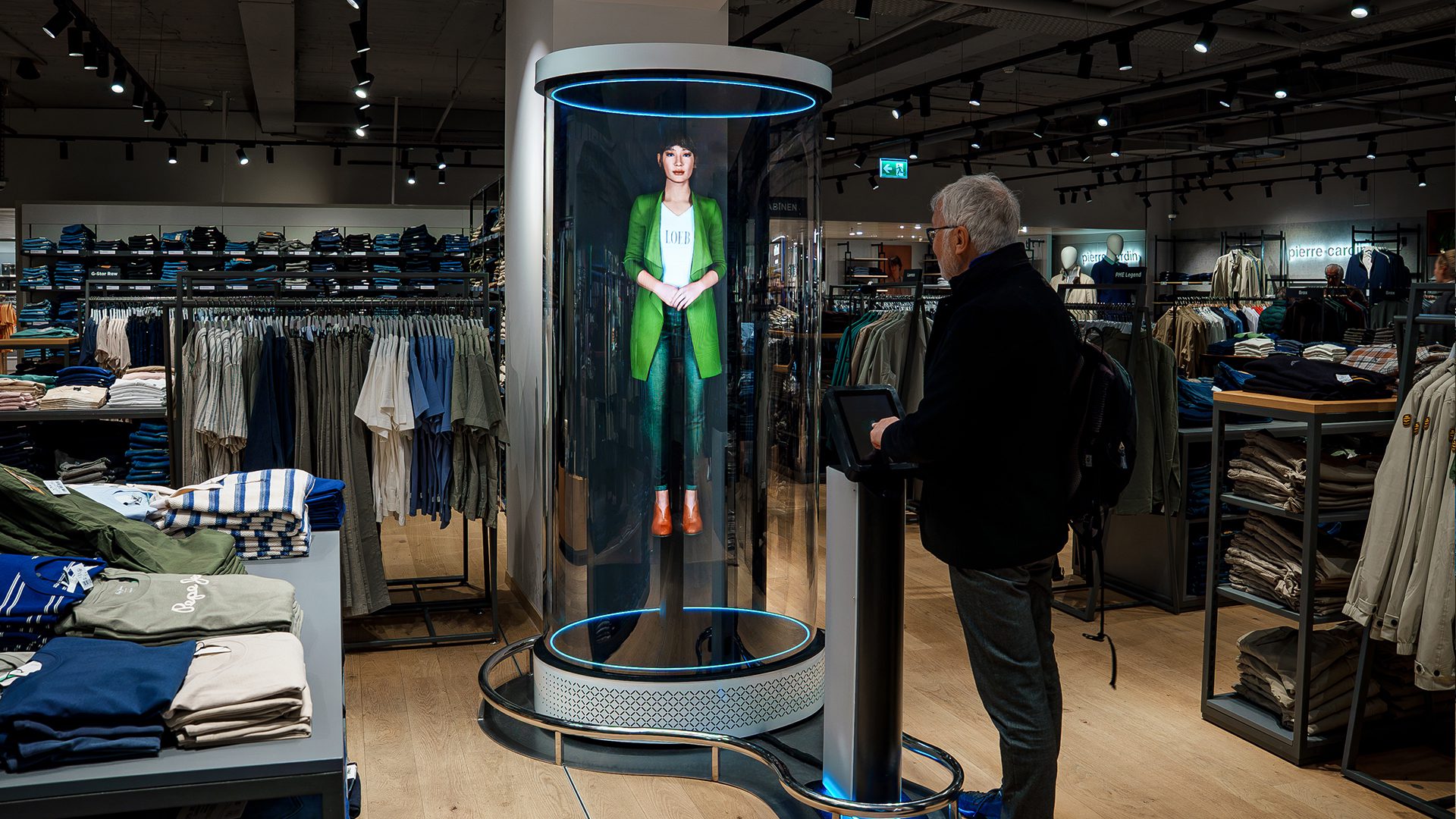
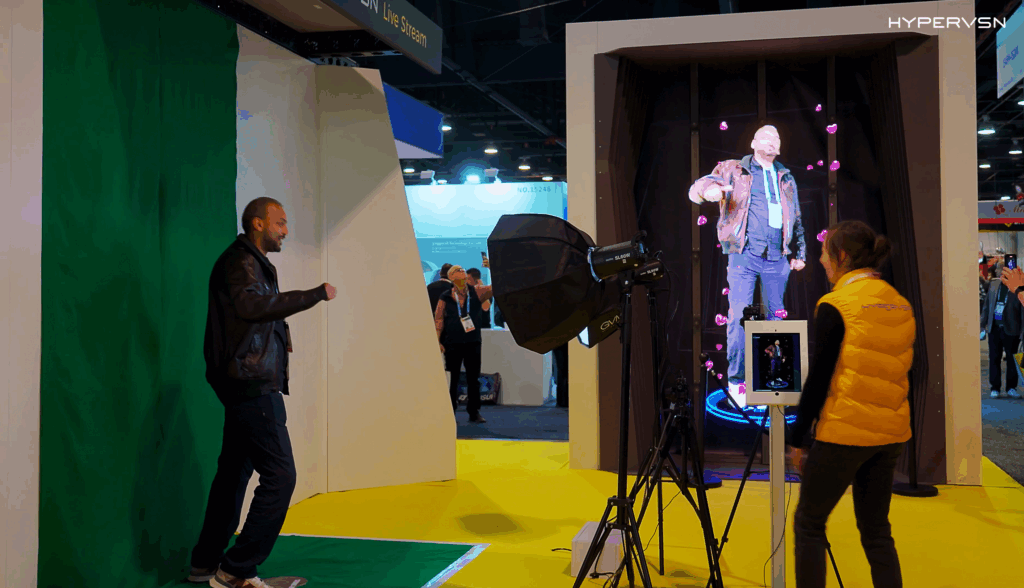
A well-positioned 3D hologram can invite people to stop, explore and interact. When combined with motion sensors, touch interfaces, cameras or other interactive technologies, a display can become part of a wider experiential journey.
For example, visitors might trigger different product animations, explore a digital catalogue or receive personalised content in response to their actions.
The interaction should be intuitive and purposeful. The technology works best when it helps visitors discover something useful or entertaining instead of adding unnecessary complexity.
4. Communicate complex ideas visually
Some concepts are easier to understand when presented spatially rather than through paragraphs of text or static images.
A 3D hologram can visualise product components, illustrate a technical process or present a digital representation of an object. In exhibitions, museums and educational environments, this can provide an engaging supplement to conventional information displays.
The key is to simplify the message and make the visual content understandable at a glance.
Where Can You Use 3D Hologram Technology?
The best applications depend on the audience, venue, objectives and type of content. Several sectors offer particularly useful opportunities.
Retail and in-store marketing
Retailers can use a 3D hologram to highlight new products, support promotional campaigns and create distinctive displays in shop windows or at points of sale.
Instead of presenting another conventional advertising loop, a retailer can showcase a floating product animation or a branded visual that draws attention from passing shoppers.
Holographic displays can also complement physical merchandise, allowing customers to see product details or campaign visuals without requiring a large traditional video screen.
Trade shows and exhibitions
Exhibition stands need to communicate value quickly. A 3D hologram can serve as a visual centrepiece that attracts visitors and creates an opportunity for sales teams to start conversations.
Possible applications include product demonstrations, animated technical visualisations, brand storytelling and interactive presentations.
For a successful exhibition installation, consider viewing distances, ambient lighting, visitor flow and the time people are likely to spend at the stand.
Events and product launches
At a product launch, a holographic display can introduce a new product, reveal its features or create a dramatic visual sequence around a presentation.
Event organisers can also incorporate holographic content into stage environments, entrance areas, networking spaces and branded installations.
The display should support the event narrative and remain visible from the intended audience positions. Content, lighting and timing need to be coordinated with the wider production.
Experiential marketing and brand activations
Experiential marketing gives audiences an opportunity to encounter a brand in a physical environment. A 3D hologram can add a distinctive visual element to pop-up installations, public activations and promotional events.
For instance, a campaign might feature a floating product animation, an animated brand character or a sequence that connects a physical location with a digital story.
The strongest concepts provide a clear connection between the installation and the brand, product or action the campaign is intended to promote.
Museums, education and corporate environments
Holographic displays can also support informational and educational experiences.
Museums may use three-dimensional visuals to illustrate historical objects or scientific concepts. Educational institutions can use animated representations to complement explanations of complex subjects. Corporate spaces can showcase products, communicate company stories or present innovations to visitors.
In each case, the content should be designed around the learning or communication objective rather than the display alone.
How to Plan a Successful 3D Hologram Project
Choosing the technology is only one part of the process. A successful installation requires coordination between the creative concept, hardware, content and physical environment.
Step 1: Define the objective
Start by identifying what the project needs to achieve.
Is the priority to attract attention, demonstrate a product, increase brand awareness, educate visitors or encourage interaction?
A clear objective helps determine the appropriate display format, content style and installation location. It also provides a basis for evaluating performance after launch.
For example, a retail campaign may prioritise visibility and product recognition, while a trade show installation may focus on visitor engagement and lead generation.
Step 2: Understand the environment
The venue influences which 3D hologram technology will work best.
Consider the available space, ambient light, viewing angles, installation height, power supply and any restrictions imposed by the venue. For temporary activations, transport, assembly and dismantling are also important.
A display intended for a shop window may need different characteristics from one designed for a darkened exhibition booth or a large event space.
Assessing these factors early helps prevent expensive changes later in the project.
Step 3: Choose the right display technology
Different display systems produce different visual effects and have different operational requirements.
When comparing options, evaluate:
- Visual effect: Does the technology create the type of three-dimensional presentation the project requires?
- Brightness: Can the content remain visible under the expected lighting conditions?
- Viewing distance: Can the audience see the display clearly from the intended positions?
- Installation requirements: How much space, equipment and technical support are needed?
- Content compatibility: Does the system support the intended animations, visual assets and playback workflow?
- Scalability: Can the concept be expanded to multiple locations or adapted for future campaigns?
There is no single best solution for every project. The right choice depends on the creative objective, environment, budget and operational requirements.
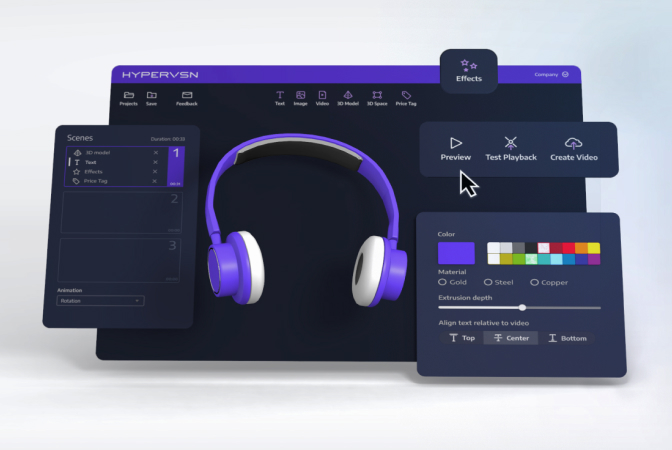
Step 4: Design content specifically for 3D
Content created for a conventional flat screen may not deliver the same impact when adapted to a holographic display.
A successful 3D hologram animation needs to account for the display’s visual characteristics, dimensions, motion and intended viewing conditions.
Start with one clear focal point. A product, character or visual symbol should remain recognisable without requiring the audience to process too much information at once.
Use movement to reveal important details, establish depth and guide attention. Keep text brief and legible, and ensure that the main message can be understood quickly.
It is also important to test how colours, contrast, animation speed and visual effects appear on the actual hardware. What looks effective on a computer monitor may behave differently on the final display.
Step 5: Connect the display to the wider experience
A 3D hologram is often most effective as part of a larger installation.
It can be combined with conventional digital signage, physical products, environmental lighting, interactive interfaces, sound and supporting brand materials.
For example, a product launch could use a holographic display to attract attention, a nearby touchscreen to provide technical specifications and a physical demonstration area where visitors can speak with a representative.
Each element should have a defined purpose. The overall experience should feel connected rather than like a collection of unrelated technologies.
Step 6: Test, launch and measure
Before the installation goes live, test the complete experience in conditions as close as possible to the actual venue.
Check visibility, playback stability, content timing, audience sightlines and any interactive features. Confirm that the equipment can be accessed safely for maintenance and that staff understand the operating procedure.
After launch, evaluate performance against the original objectives.
Useful measures may include visitor interactions, dwell time, product enquiries, QR-code scans, qualified leads and campaign conversions. Where possible, compare the results with a relevant baseline or control installation.
The aim is to understand whether the holographic experience contributed to the desired outcome, not simply whether people stopped to look at it.
How HYPERVSN Can Support Your 3D Hologram Project
HYPERVSN develops specialised holographic display solutions for businesses looking to create distinctive visual experiences in physical spaces.
Its LED-based display technology creates the illusion of floating 3D visuals, offering an alternative to conventional flat-screen presentations for selected commercial applications.
Depending on the project, HYPERVSN solutions can support product showcases, retail activations, exhibitions, events and other brand experiences where visual differentiation is important.
A project may use a single display as a focal point or incorporate multiple displays into a larger installation. The appropriate configuration depends on the available space, viewing conditions, content requirements and desired audience experience.
The creative process is equally important. High-quality 3D content should be developed for the intended display format, with careful attention to composition, motion, contrast and visual clarity.
For businesses planning an installation, the most useful starting point is to define the experience they want to create and then determine which display configuration and content approach can deliver it.
Explore HYPERVSN’s holographic display solutions to understand how the technology could fit your next campaign, exhibition or immersive project.
Common Mistakes to Avoid When Using a 3D Hologram
Even an impressive display can underperform if the installation is poorly planned. Avoid these common mistakes.
Choosing technology before defining the concept. Start with the audience and communication objective, then select the hardware that supports them.
Using content designed only for flat screens. Adapt animations to the display’s characteristics and test them on the actual equipment.
Ignoring ambient lighting and viewing angles. The visual effect needs to work in the real environment, not just in a studio or promotional video.
Overloading the experience with information. Prioritise one message and a clear visual focal point.
Treating attention as the only measure of success. Connect the installation to meaningful outcomes, such as engagement, product discovery, enquiries or conversions.
Forgetting operational requirements. Installation time, maintenance, content updates and staff training should all be included in the project plan.
Addressing these considerations early helps make the experience more effective, reliable and easier to manage.
The Future of 3D Hologram Experiences
As display hardware, content creation and interactive systems continue to develop, 3D hologram technology offers businesses additional ways to bring digital information into physical environments.
Future applications may increasingly combine holographic visuals with real-time data, interactive content, computer vision and AI-driven experiences. These capabilities can help brands develop presentations that respond to audience behaviour or deliver more relevant information.
However, the technology itself is only part of the opportunity. Successful projects will continue to depend on strong creative concepts, clear communication and thoughtful integration into the surrounding environment.
For brands, retailers and event organisers, the question is not simply how to make content appear three-dimensional. It is how to use that visual effect to create an experience that people find meaningful and memorable.
Bring Your Next Immersive Project to Life
A 3D hologram can transform the way a product, brand or idea is presented in a physical space. By combining distinctive visual effects with purpose-built content and careful installation planning, businesses can create experiences that stand apart from conventional digital displays.
Whether you are preparing a product launch, designing an exhibition stand, planning a retail activation or exploring new forms of experiential marketing, start with a clear objective and build the technology around the experience you want to deliver.
Discover HYPERVSN’s holographic display solutions and explore the possibilities for your next immersive project.