In our previous article, we have already said that if you choose your store to become phygital you need to determine your goals and target your audience first. So, before rebuilding your approach and attitude you need to consider the following assumptions.
Phygital may be difficult to accept
It is important to consider how introducing new technology into the store experience may affect different customer groups. While innovative technology has the potential to enhance the customer experience, it can also create challenges for those who may be less familiar with or comfortable with using it. For example, older customers or those who are not comfortable with using technology may feel overwhelmed or excluded by the introduction of new technologies in the store.
On the other hand, technology can also be used to include customer groups that may have previously faced challenges or barriers in accessing the store or its services. For example, technology can be used to provide alternative communication methods for neurodivergent individuals or to offer accessibility features such as larger fonts or high-contrast colours for customers with visual impairments.
It is important for companies to carefully consider the needs and expectations of all of their customers when introducing new technology, and to provide appropriate support and training to help ensure that the technology is accessible and inclusive for all.
Define the experience first, the technology second
In the context of product development or design, the experience first, technology second approach means prioritizing the desired user experience or outcome above the specific technological solutions or features that are used to achieve it. This approach is often seen as more user-centred, as it focuses on meeting the needs and expectations of the people who will be using the product, rather than just building the most technologically advanced or innovative solution. By starting with a clear understanding of the experience intended for the user, and then identifying the appropriate technology to support that experience, companies can create more effective and satisfying products for their users.
Deliver both ‘frictionless’ and ‘sticky’ experiences
“Frictionless” and “sticky” experiences are two different types of user experiences that can be used to achieve other goals.
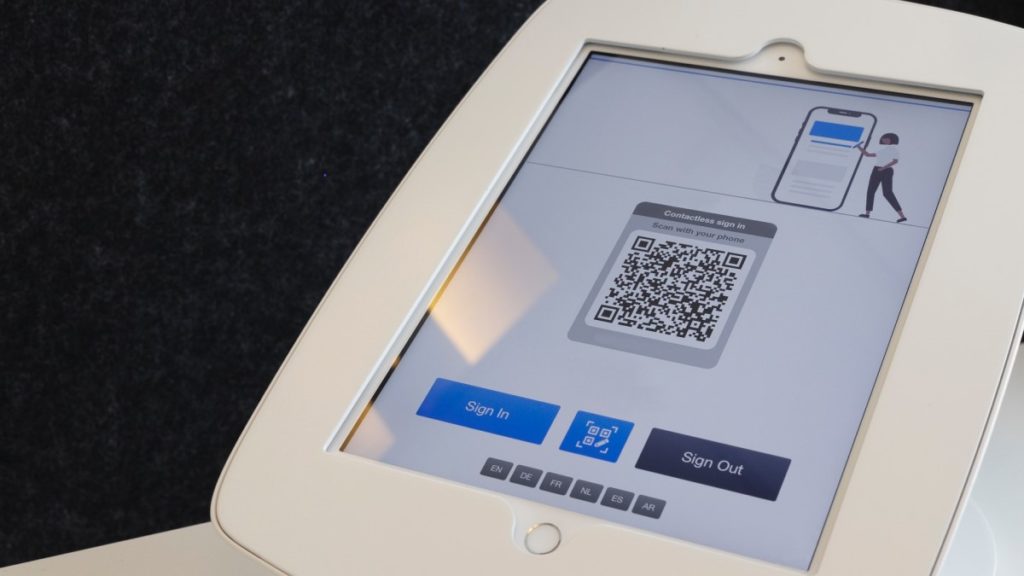
A frictionless experience is one that is smooth, seamless, and easy to use. It is designed to minimize any barriers or obstacles that may prevent the user from completing their desired tasks or achieving their goals. Frictionless experiences are often focused on efficiency and convenience and can be particularly effective for tasks that are repetitive or mundane.
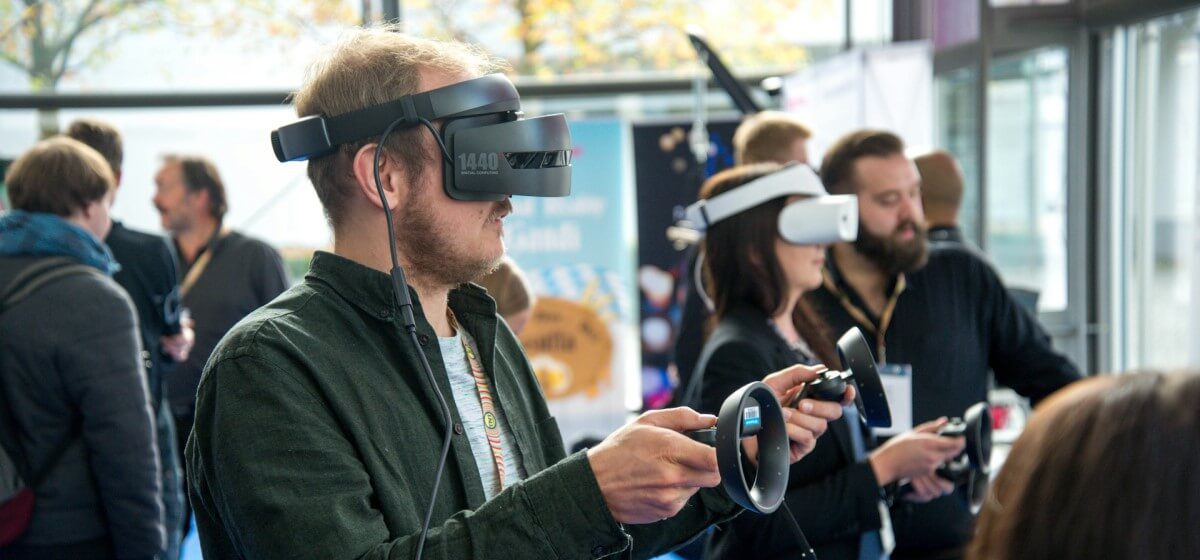
On the other hand, a sticky experience is one that is engaging, immersive, and memorable. It is designed to keep the user coming back for more and to create a strong emotional connection between the user and the product or service. Sticky experiences often involve elements of gamification, social interaction, and personalisation, and can be effective for tasks that require a more creative or interactive approach.
By delivering both frictionless and sticky experiences, companies can create products that are both efficient and enjoyable to use, which can help to increase user satisfaction and loyalty.
Conclusion
Phygital retail is already shaping the future of the retail landscape and, if considered carefully and done right, may bring multiple benefits to store owners.