Holographic Humans: What They Are, How They Work and Where They’re Used
11 January 2022 • 7 min read
Main page » Marketing Tips » Holographic Humans: What They Are, How They Work and Where They’re Used
Yes. Holographic humans are already being used in real-world environments such as retail stores, events, education, entertainment, hospitality and brand experiences.
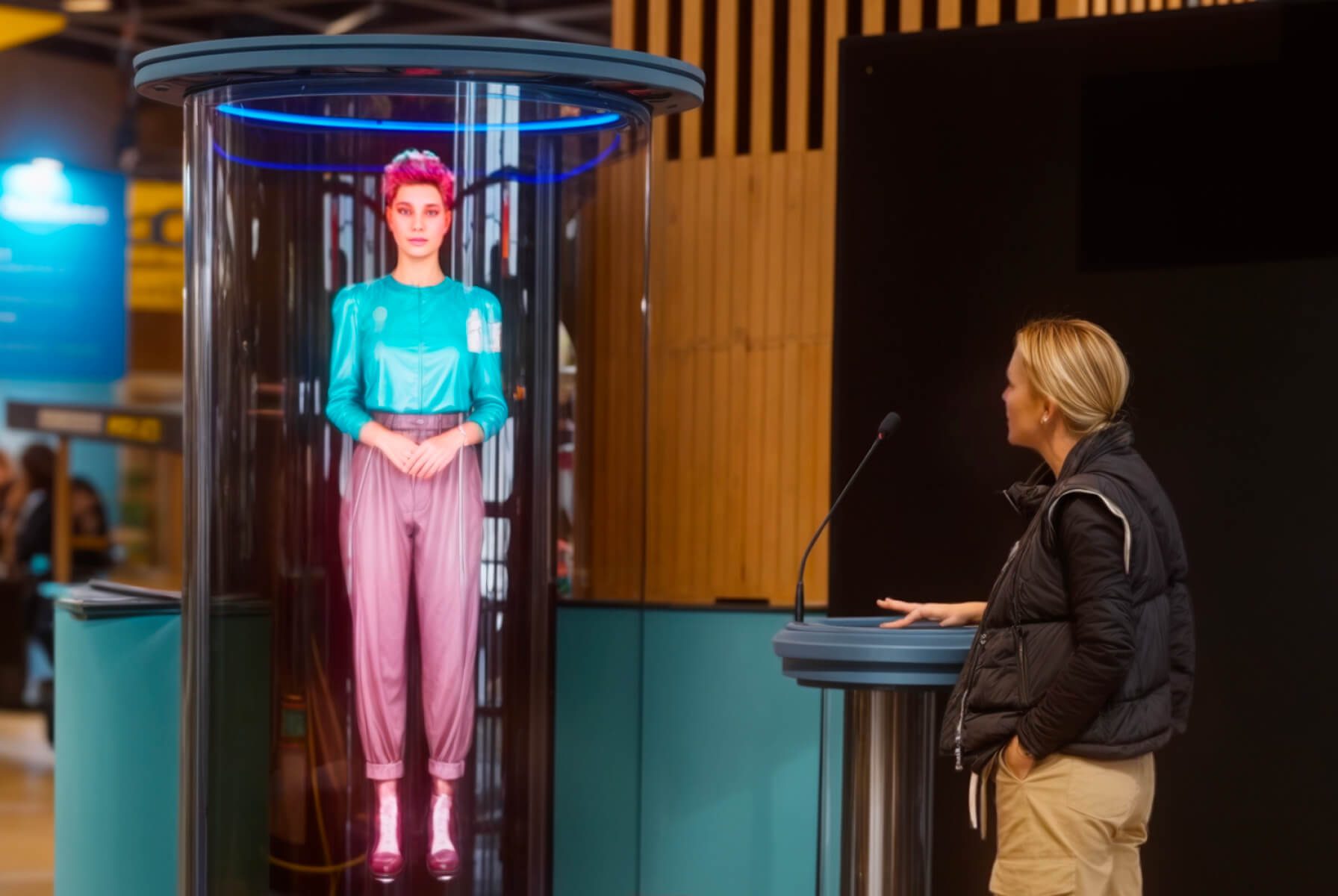
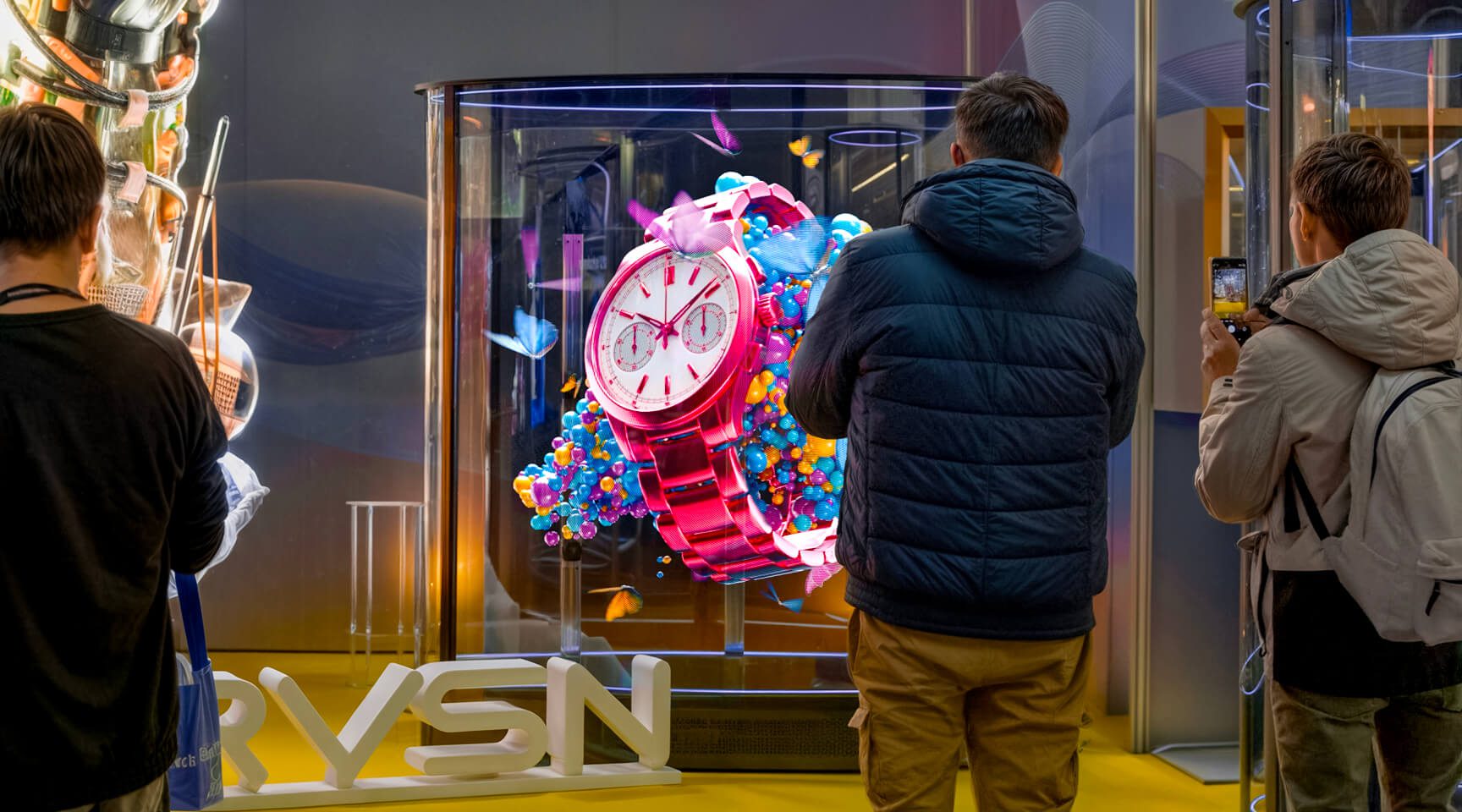
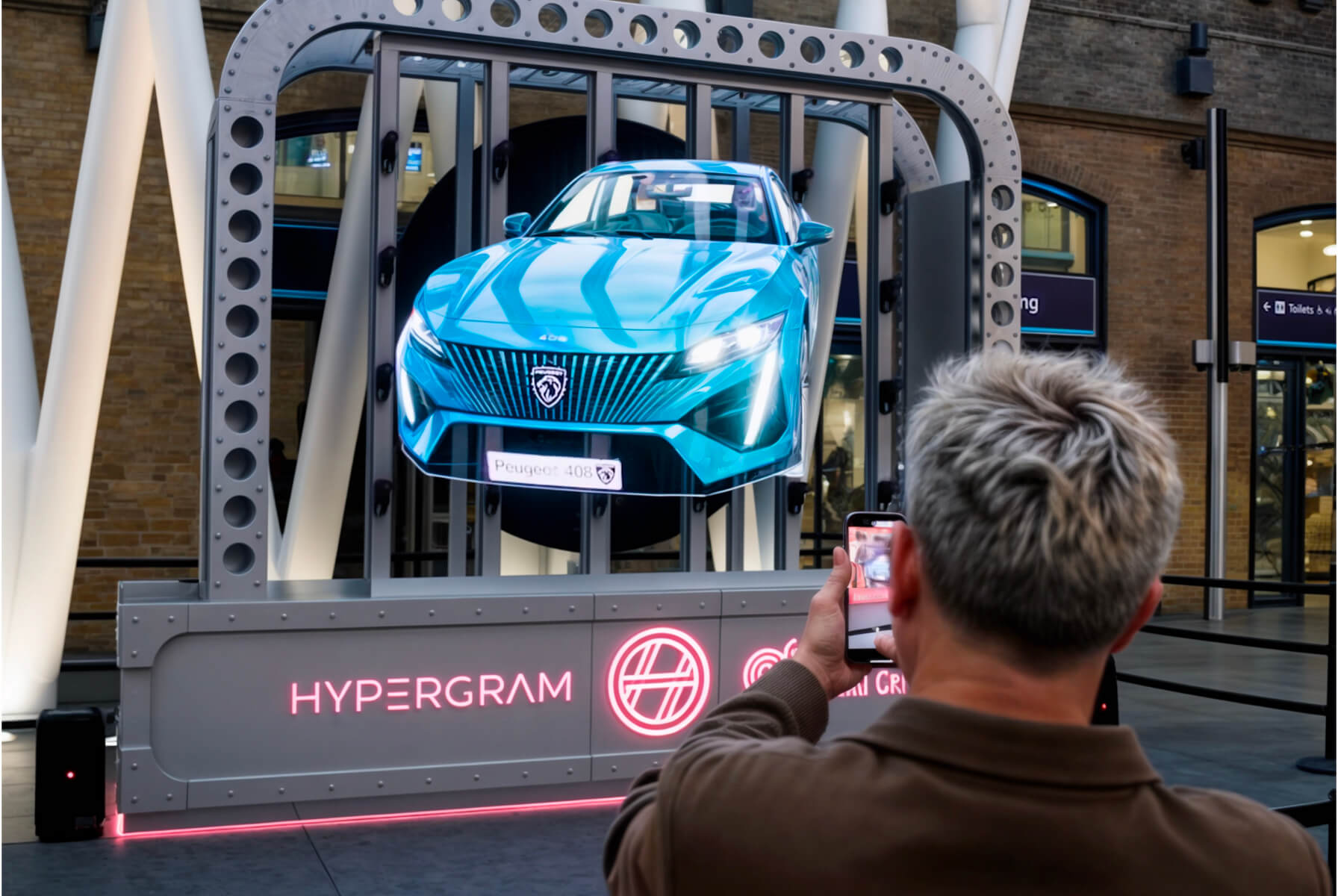
However, the term “holographic human” can be misleading. Most commercial holographic humans are not traditional holograms in the scientific sense. Instead, they use advanced 3D display technology to create the visual appearance of a life-size human floating in space, without requiring viewers to wear VR or AR headsets.
Today, holographic human technology is evolving further. HYPERVSN combines 3D holographic display technology with artificial intelligence to create life-size digital humans that can communicate with people in real time.
What is a holographic human?
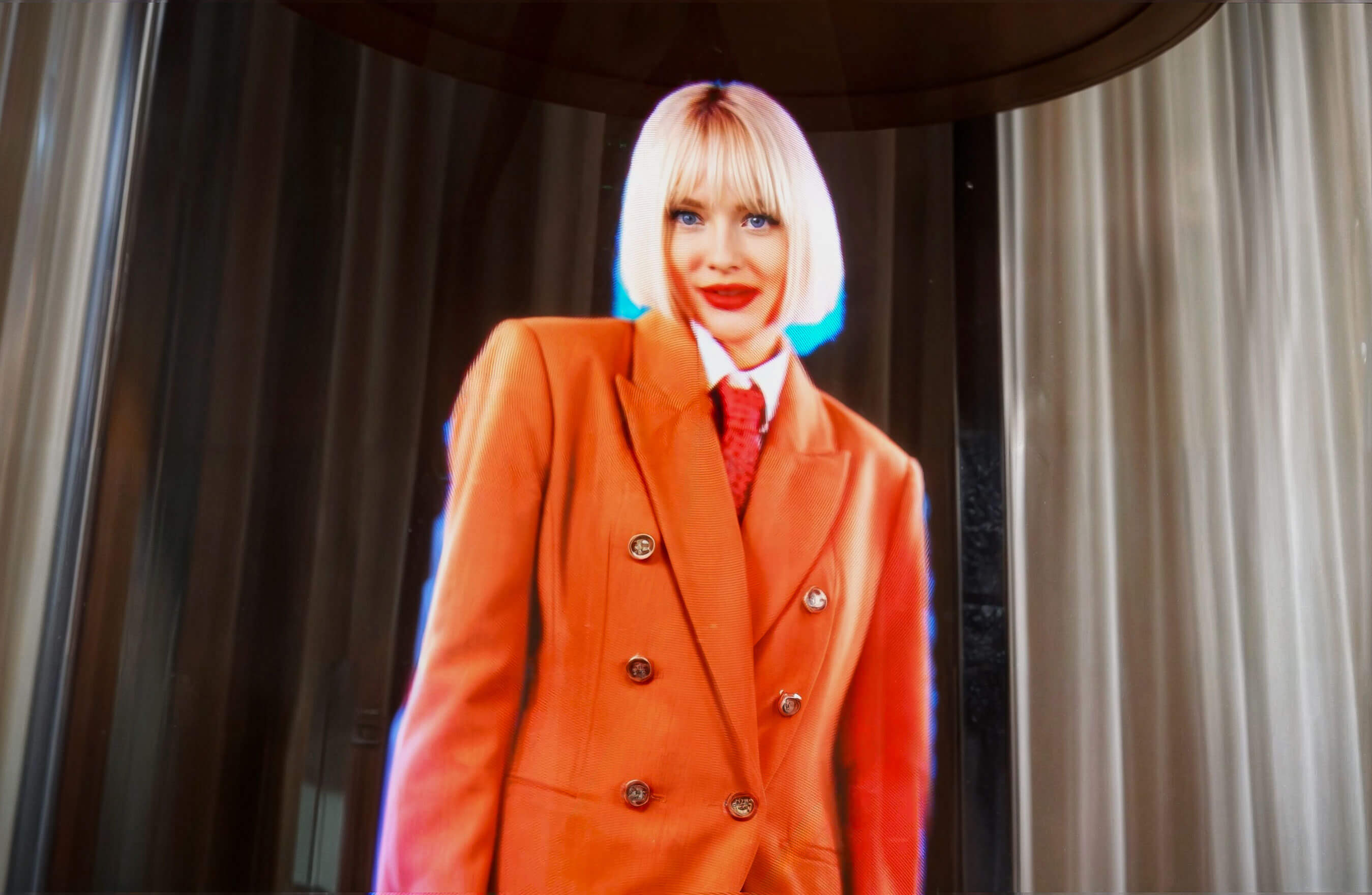
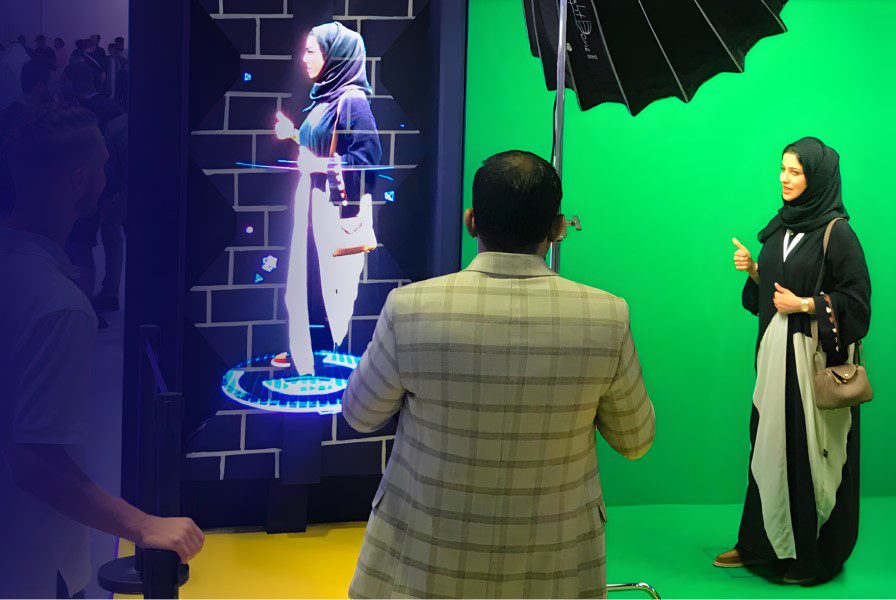
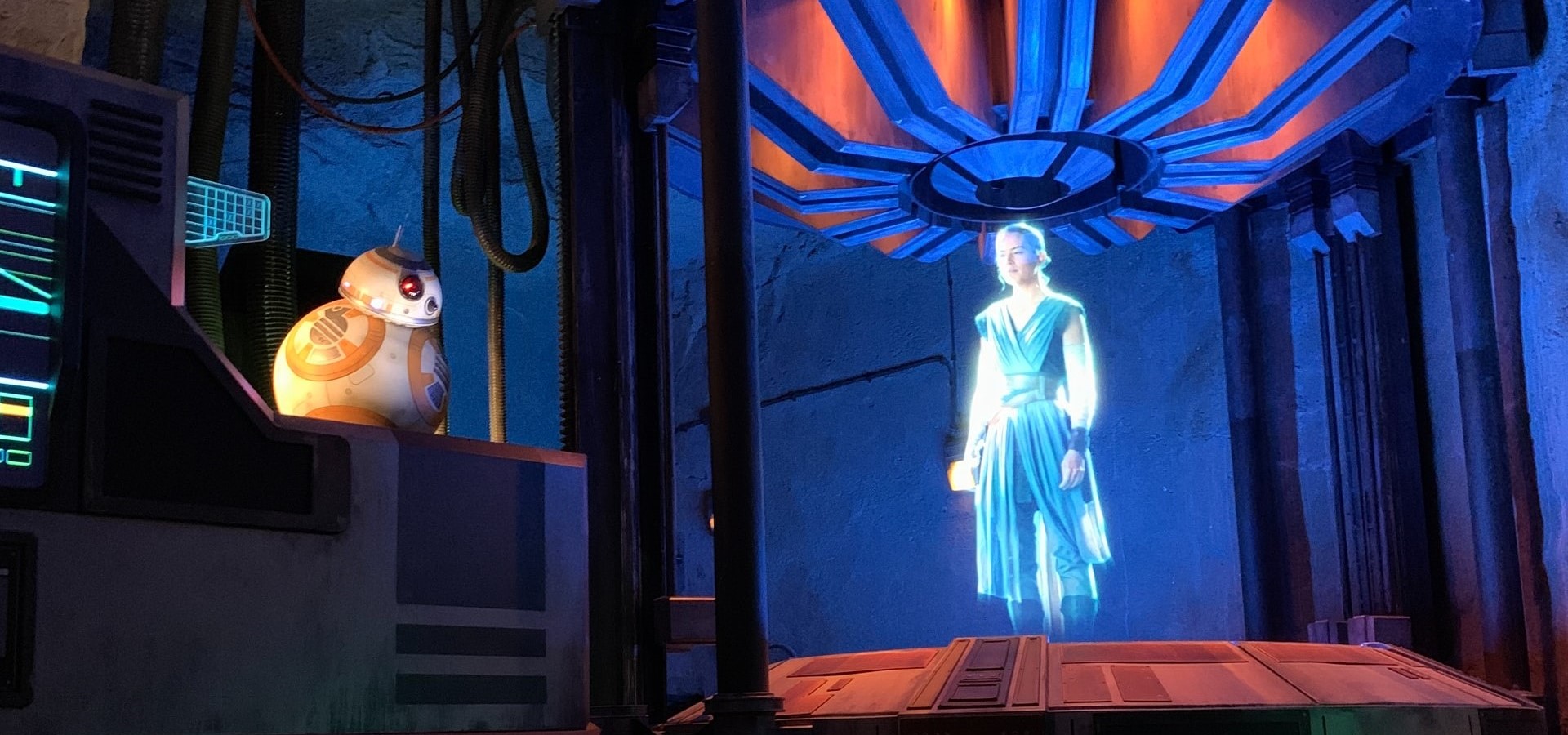
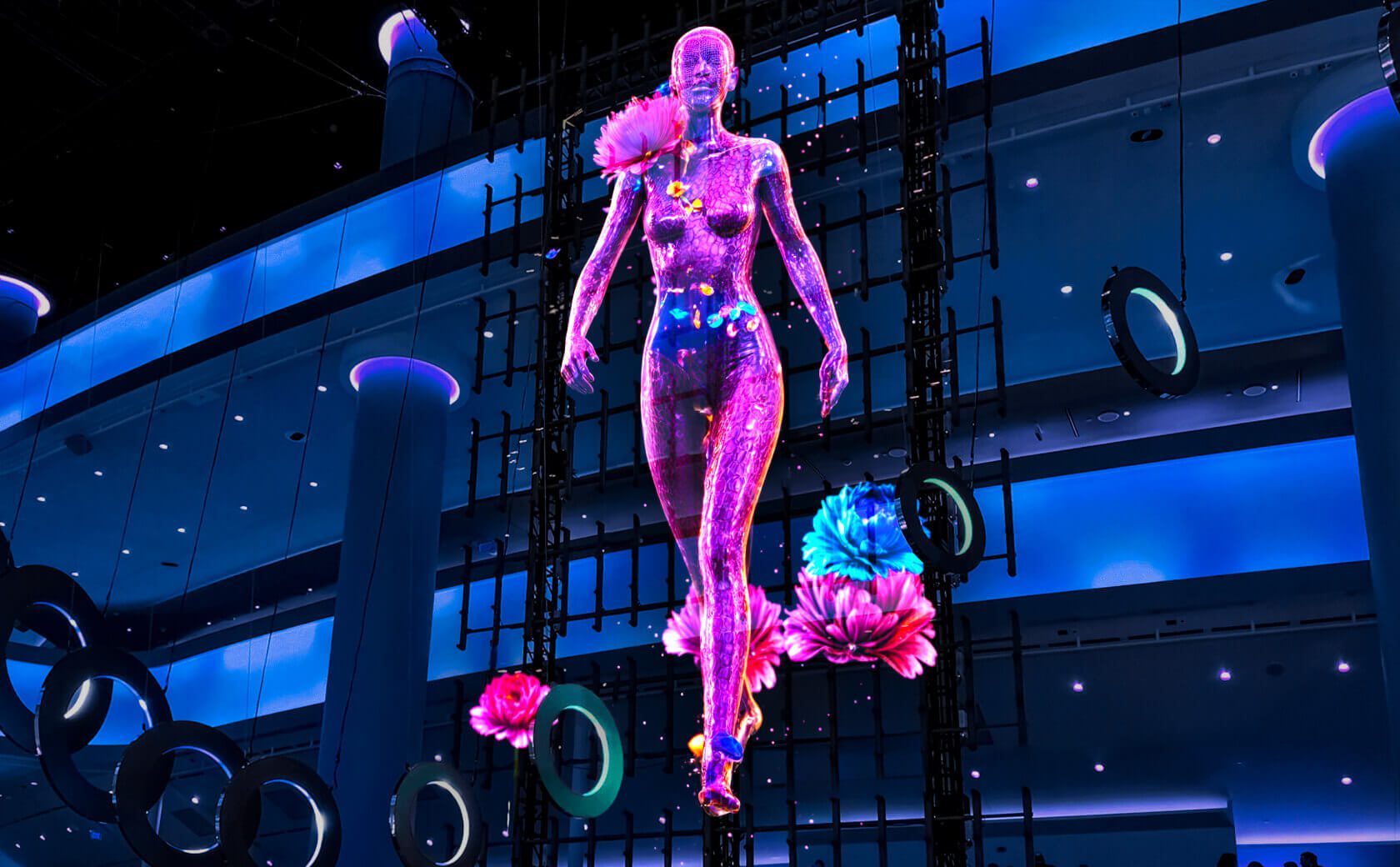
A holographic human is a life-size 3D visual representation of a person displayed in a way that makes the human figure appear to float in mid-air.
Holographic humans can be used to present:
brand ambassadors
presenters and speakers
celebrities and performers
employees and company representatives
product demonstrators
educators and experts
virtual assistants
AI-powered digital humans
Unlike conventional video displayed on a flat screen, a holographic human creates a more spatial and immersive visual experience.
Holographic humans can be created from specially produced 3D content and displayed through dedicated holographic display hardware. HYPERVSN’s Holographic Human solution uses a vertical configuration of three SmartV displays or a custom configuration to present a life-size human figure.
Are holographic humans real?
Holographic humans are real as a display technology and business application, but they are not physical human beings and they are generally not traditional holograms in the scientific sense.
The term “hologram” is commonly used commercially to describe visual technologies that make 3D images appear to float in space.
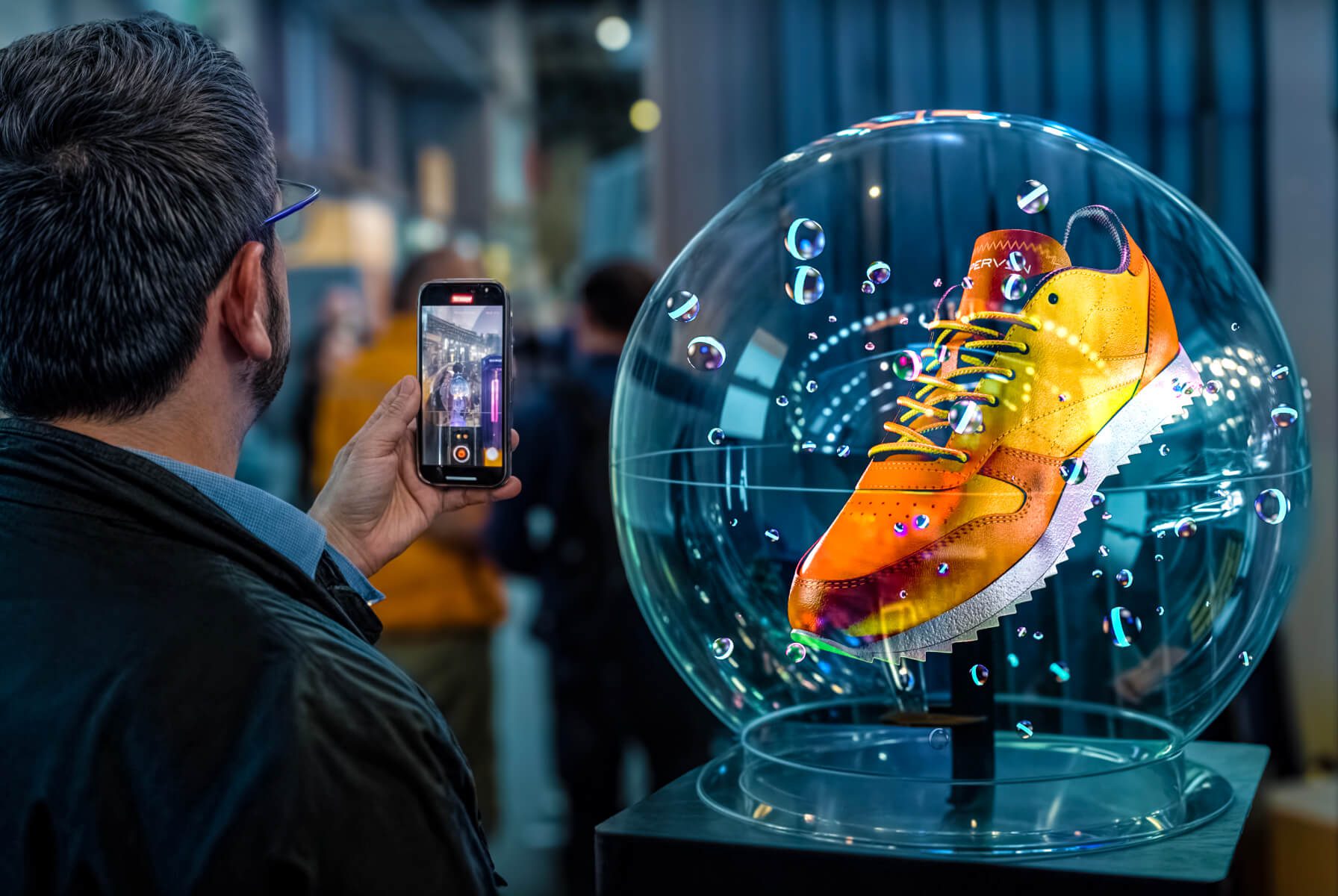
HYPERVSN uses a proprietary 3D display system to create this effect. The viewer can see the visual without wearing a headset or special glasses.
This distinction is important because several technologies are often described as holograms even though they work differently.
Holographic human vs. traditional hologram
A traditional hologram records and reconstructs light information to reproduce a three-dimensional optical image.
Commercial “holographic humans,” by contrast, commonly use specialised displays, projection techniques or optical effects to create the appearance of a three-dimensional person.
Therefore, when people ask whether holographic humans exist today, the practical answer is yes — life-size 3D human display experiences already exist and are being used commercially.
How does a holographic human work?
A holographic human experience combines three main elements:
3D human content — a person is recorded or digitally created and prepared as specialised 3D content.
Holographic display hardware — the content is reproduced using a display system designed to create the appearance of a floating 3D image.
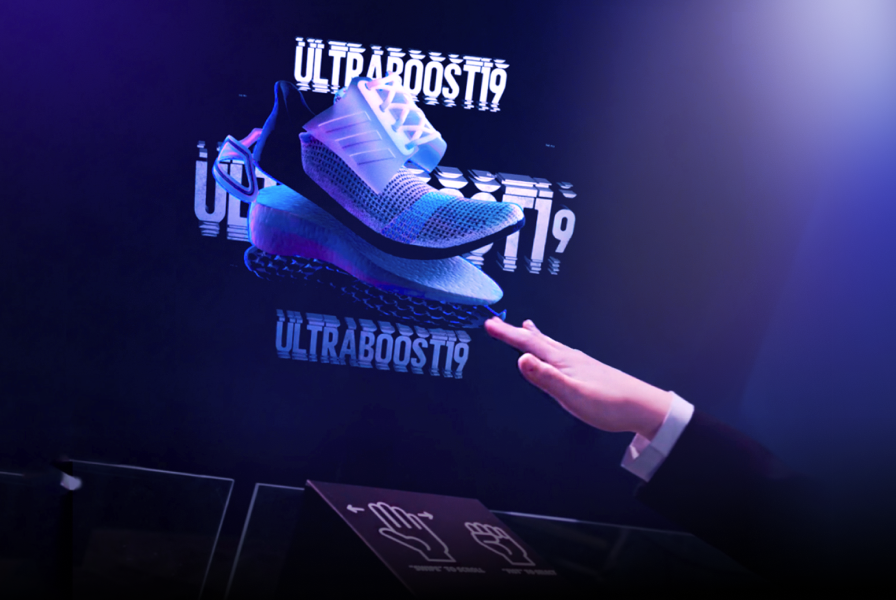
Audio and optional interaction — speech, sound effects, sensors, software and AI can make the experience more engaging and interactive.
For HYPERVSN Holographic Human, the content is pre-produced. Customers can create human content for their particular application, after which the content is processed for display on the HYPERVSN system.
The result is a life-size human figure that appears to occupy physical space rather than simply appearing on a conventional flat screen.
What is the difference between a holographic human and a digital avatar?
The two terms are related, but they do not mean exactly the same thing.
A Holographic Human is primarily a 3D display solution for presenting pre-produced human content.
A Digital Avatar is a digital representation of a person or character that can be used for interaction. When combined with artificial intelligence, a digital avatar can understand spoken questions and generate responses in real time.
In HYPERVSN’s technology ecosystem, the distinction is straightforward:
Technology
Main function
Interaction
HYPERVSN Holographic Human
Displays a life-size 3D human
Primarily pre-recorded content
HYPERVSN Digital Avatar
Presents a life-size 3D digital human
AI-powered, real-time interaction
HYPERVSN’s Digital Avatar combines AI with 3D holographic display technology. It can use speech recognition, chatbot technology, text-to-speech and animation to create an interactive digital human experience.
This means a holographic human can simply present, while an AI-powered digital human can present, listen, understand and respond.
Can a holographic human interact with people?
Yes, but the level of interaction depends on the technology being used.
A conventional Holographic Human can present pre-recorded content, while an AI-powered Digital Avatar can communicate with visitors in real time.
HYPERVSN’s Digital Avatar technology combines a 3D human representation with artificial intelligence and conversational technologies. It can understand spoken questions and respond using lifelike speech, facial expressions and movements.
This opens the possibility of using a digital human as:
a customer service assistant
a product expert
a brand ambassador
a receptionist
a wayfinding assistant
an educational presenter
an entertainment host
a virtual employee
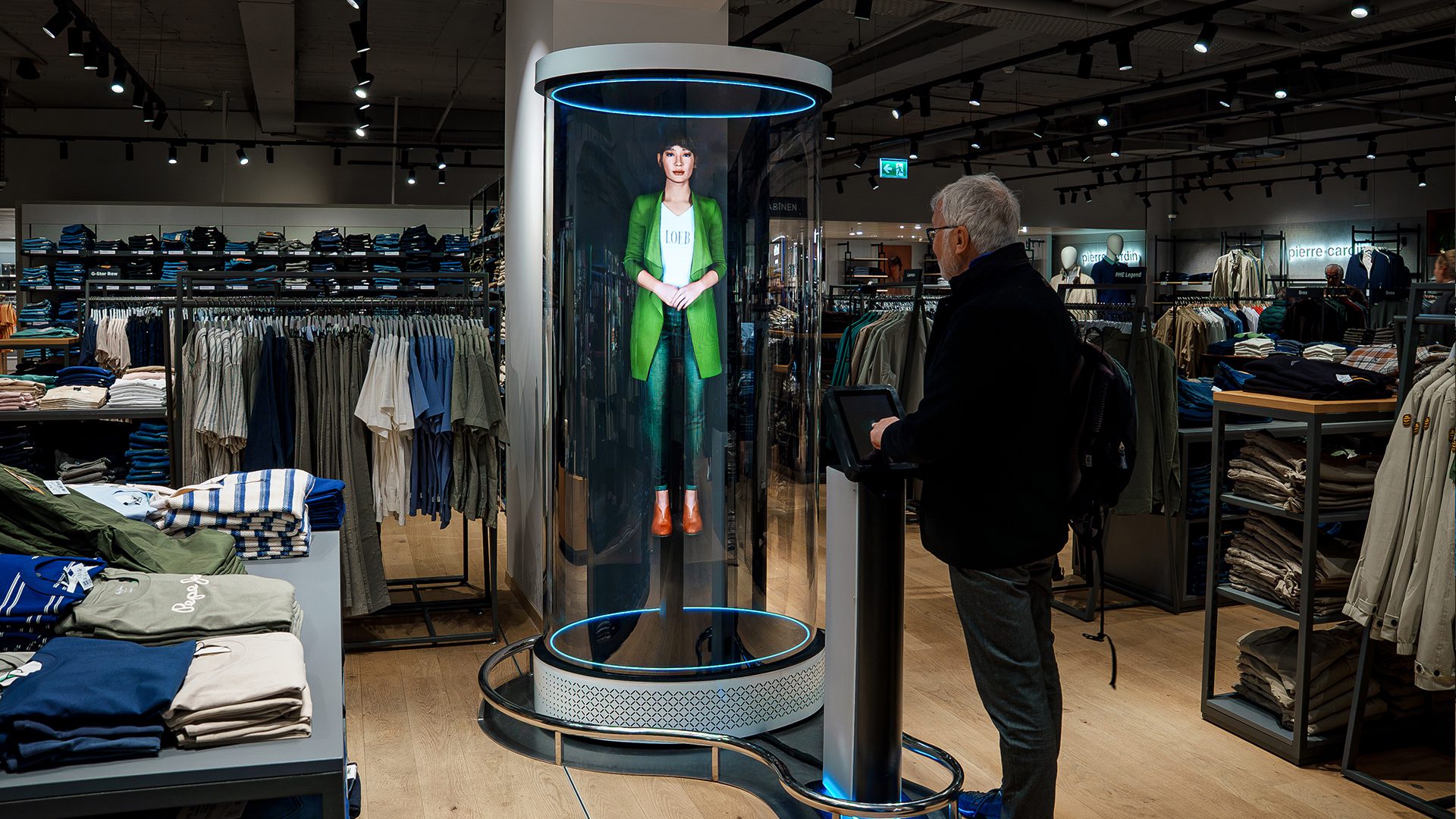
For example, HYPERVSN’s AI Human deployed at the Loeb department store in Bern, Switzerland, has been used to answer customer questions and provide assistance in a retail environment.
Where are holographic humans used?
Holographic humans are particularly useful in environments where businesses need to attract attention, communicate information or create memorable physical experiences.
1. Retail
Retail is one of the most natural applications for holographic humans.
A life-size 3D human can act as a digital sales assistant, product presenter, brand ambassador or window-display attraction.
Instead of presenting information on a conventional poster or screen, retailers can use a human-like 3D figure to demonstrate products, explain services or communicate brand messages.
Holographic humans can also help retailers connect their physical stores with digital experiences.
For example, HYPERVSN has used 3D holographic humans and digital avatars in retail environments to create interactive customer experiences.
2. Events and entertainment
Events provide another strong use case because audiences are already looking for experiences that are visually distinctive and shareable.
Holographic humans can be used for:
keynote presentations
virtual speakers
product launches
concerts
exhibitions
brand activations
museum experiences
entertainment shows
A digital representation can allow a person to appear in a location without physically being there, while pre-produced holographic content can create performances that would otherwise be difficult or impossible to stage.
3. Education
Holographic humans can bring remote experts, presenters and historical figures into classrooms, museums and educational environments.
For example, an educational institution could use a life-size digital human to explain a scientific subject, demonstrate a procedure or deliver a presentation.
The advantage is not simply visual novelty. A three-dimensional human presence can make educational content more physical, memorable and engaging than a conventional video on a flat display.
4. Healthcare
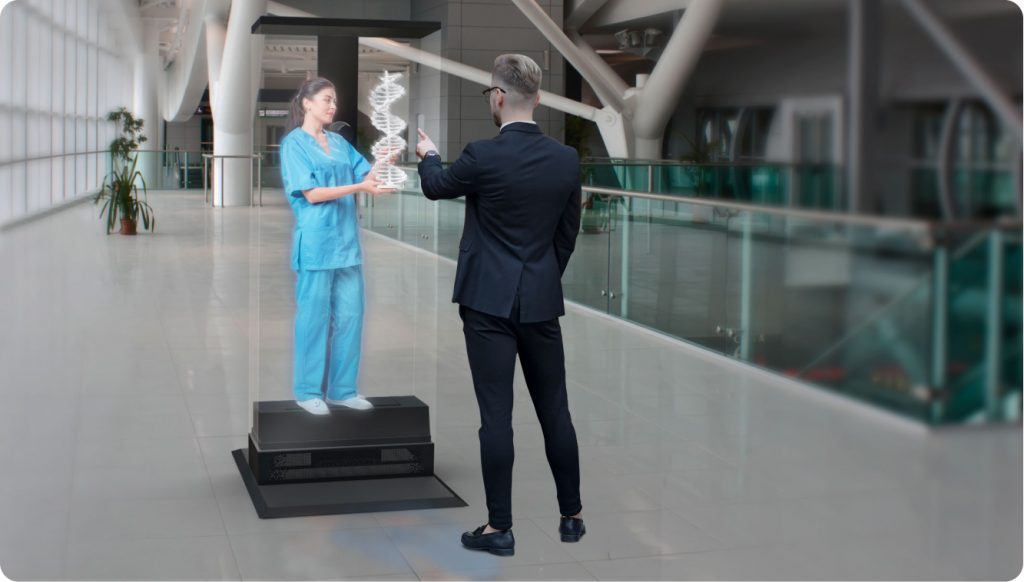
3D visualisation can provide new ways of presenting medical information, training professionals and communicating complex subjects.
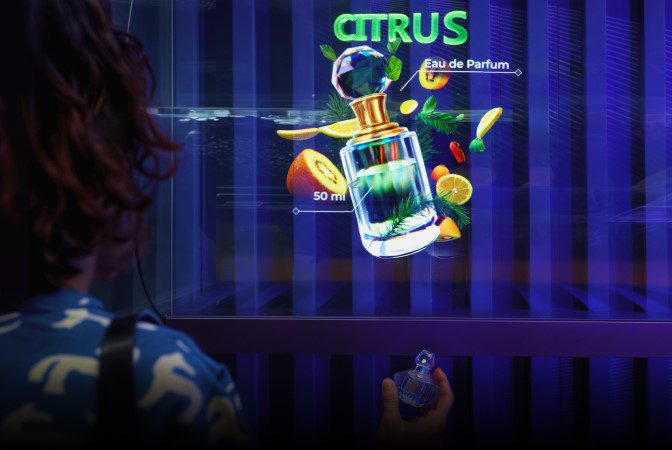
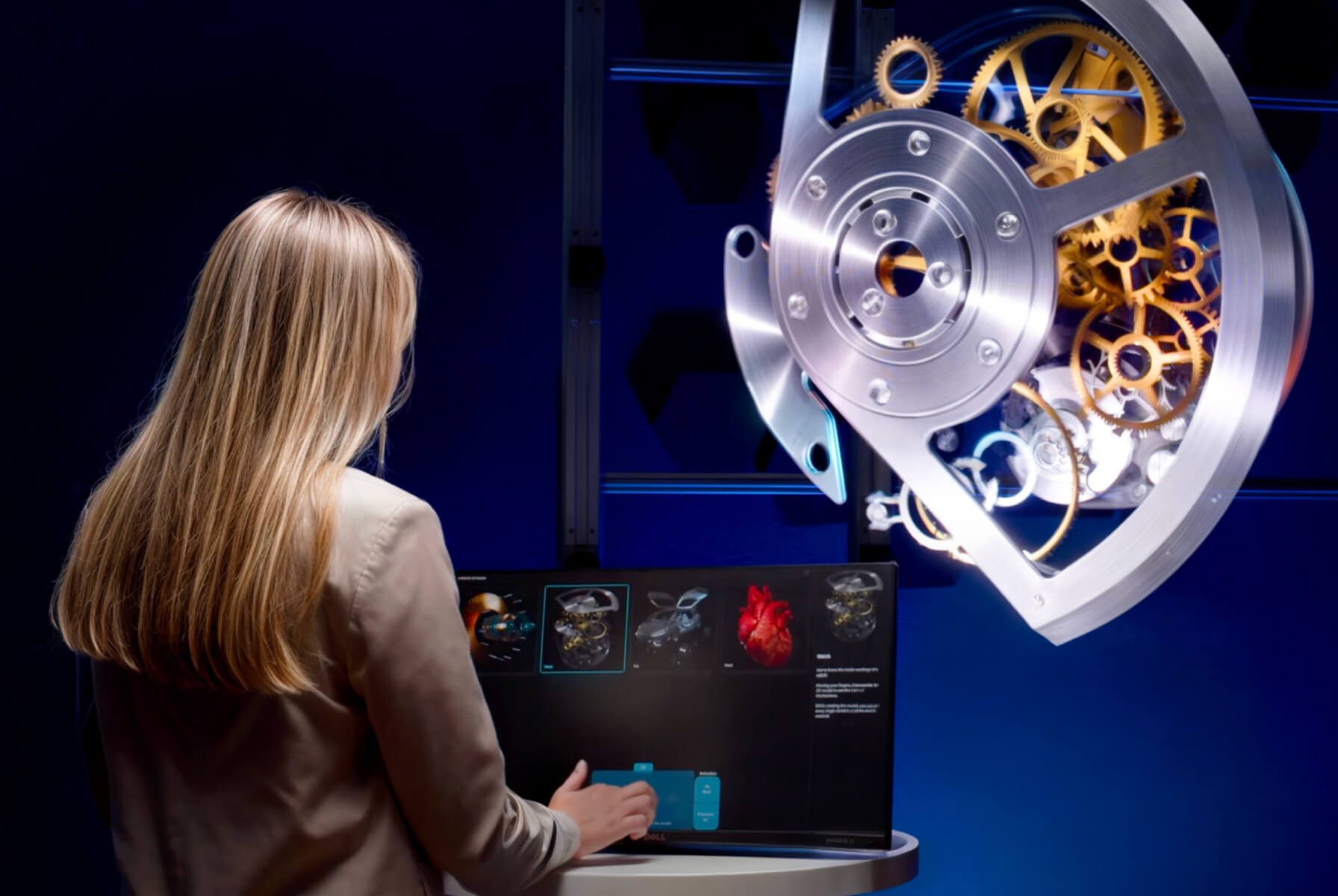
Holographic displays can also be used to present anatomical models and other three-dimensional medical content.
However, holographic display technology should not be confused with medical diagnostic technology. Its value in healthcare depends on the specific application, content and clinical workflow.
5. Hospitality and travel
Hotels, airports and other transportation environments can use digital humans to provide:
directions
visitor information
multilingual assistance
recommendations
check-in guidance
entertainment
brand experiences
An AI-powered digital human can provide information continuously while maintaining a consistent brand identity.
6. Telecommunications and remote communication
One of the long-term possibilities of holographic human technology is creating a stronger sense of physical presence during remote communication.
Instead of seeing a person as a small image inside a video-call window, a future communication system could reproduce that person as a life-size 3D representation.
Although this concept is still developing, the combination of 3D displays, real-time video, spatial computing and AI is gradually making remote digital presence more immersive.
Why do holographic humans attract attention?
Traditional digital signage competes for attention with hundreds of other screens and advertisements.
A life-size 3D human is different because humans naturally pay attention to other humans.
A holographic human can therefore combine several attention mechanisms:
human presence
movement
depth
three-dimensional visualisation
storytelling
novelty
interactivity
This makes holographic humans particularly useful for environments where the first objective is to make people stop, look and engage.
HYPERVSN reports that its 3D holographic experiences can deliver longer viewing and engagement times than standard 2D digital signage, based on its case-study data.
Holographic humans and AI: what comes next?
The next major development is the combination of 3D holographic presence and artificial intelligence.
Traditional digital signage communicates one-way: the screen shows content and the audience watches it.
An AI digital human can create a two-way interaction:
Person → speech → AI → response → digital human
This changes the role of holographic technology from a visual attraction into an interactive communication interface.
An AI-powered digital human can potentially:
answer questions
provide personalised information
recommend products
guide visitors
speak multiple languages
represent a brand
provide customer assistance
deliver educational content
connect physical spaces with digital services
HYPERVSN’s current Digital Avatar platform combines artificial intelligence and 3D holographic technology to create interactive digital humans, including configurable appearance, voice and personality.
Can an AI digital human look like a real person?
Yes.
AI digital humans can be designed as fictional characters, branded avatars or digital versions of real people.
HYPERVSN’s current Digital Avatar technology includes AI Clones, which can reproduce the appearance and voice of a real person as a digital twin.
This creates new possibilities for companies that want a recognisable founder, expert, presenter or brand representative to become part of a physical customer experience without requiring that person to be physically present.
What makes holographic humans different from screens?
A conventional screen is a flat surface displaying two-dimensional content.
A holographic human experience is designed to make the viewer perceive a three-dimensional person occupying physical space.
The difference is particularly noticeable when the content includes:
full-body movement
rotations
gestures
product demonstrations
realistic human motion
spatial compositions
This makes the technology especially relevant to physical environments where conventional digital signage may not provide enough visual impact.
Are holographic humans the future of customer experience?
Holographic humans are unlikely to replace conventional screens, websites or human employees in every situation.
Instead, they provide another communication channel for situations where presence, attention and interaction matter.
The strongest applications are likely to combine several technologies:
AI + digital humans + 3D holographic displays + real-time data + human support.
This combination allows brands to maintain the efficiency of digital technology while creating a more human and physical customer experience.
HYPERVSN holographic humans
HYPERVSN has been developing holographic human technology since 2018. Its Holographic Human solution uses HYPERVSN SmartV displays to present life-size 3D human content in physical environments.
Today, HYPERVSN’s technology portfolio extends beyond pre-recorded holographic humans to include AI-powered Digital Avatars.
This creates two complementary approaches:
Holographic Human: a life-size 3D human for pre-produced presentations, performances and brand experiences.
Digital Avatar: an AI-powered life-size 3D human capable of real-time interaction.
Together, these technologies allow businesses to move from simply displaying content to creating immersive human-centred experiences.
Frequently Asked Questions about Holographic Humans
Are holographic humans real?
Yes. Commercial holographic human display systems are already available and used in retail, events, entertainment, education and other environments. They create the visual appearance of a life-size 3D human without requiring viewers to wear special glasses.
Are holographic humans actually holograms?
Not necessarily in the strict scientific definition of holography. The term “holographic human” is commonly used for technologies that create the visual impression of a three-dimensional person floating in space. HYPERVSN uses specialised 3D display technology to create this effect.
How does a holographic human work?
A holographic human experience combines specially prepared 3D human content with dedicated display hardware. Audio and software can further enhance the experience. HYPERVSN’s Holographic Human uses a vertical configuration of three SmartV displays or a custom configuration.
Can holographic humans talk?
Yes. A pre-recorded holographic human can deliver recorded speech. An AI-powered Digital Avatar can go further by listening to spoken questions and generating responses in real time.
Can holographic humans interact with customers?
Yes. Interactive holographic humans can be connected to AI, speech recognition and other software technologies. HYPERVSN’s Digital Avatar is designed for real-time interaction with customers and visitors.
What is the difference between a holographic human and an AI digital human?
A holographic human generally refers to the visual 3D human display. An AI digital human adds intelligence and interaction, allowing the virtual person to understand questions and respond in real time.
Where can holographic humans be used?
Common applications include retail, advertising, events, entertainment, education, healthcare, hospitality, transportation and corporate environments.
Can a holographic human be life-size?
Yes. HYPERVSN’s Holographic Human and Digital Avatar solutions can be configured to present a life-size human figure. A life-size Digital Avatar typically uses three SmartV displays in a vertical configuration.
Can a holographic human represent a real person?
Yes. Digital human technology can be used to create a digital representation of a real person. HYPERVSN’s AI Clone capability can reproduce a person’s appearance and voice as a digital twin.
Can holographic humans speak multiple languages?
Yes. HYPERVSN’s current Digital Avatar solution supports multilingual interaction and is advertised as supporting more than 100 languages.
Are holographic humans available for businesses today?
Yes. Holographic human display solutions and AI-powered digital humans are commercially available today. HYPERVSN provides both pre-produced Holographic Human experiences and interactive AI Digital Avatar solutions for business environments.
The future of holographic humans
Holographic humans have moved beyond science fiction.
Today, businesses can use life-size 3D human displays to attract attention, communicate information and create immersive experiences. The next stage is the combination of these visual experiences with artificial intelligence.
As AI becomes more capable of understanding language, generating responses and adapting to individual users, digital humans can become more than visual representations. They can become interactive representatives of brands, organisations and people.
The future of holographic humans is therefore not simply about making a person appear in 3D.
It is about creating a digital human presence that people can see, hear, understand and interact with in the physical world.
Explore HYPERVSN Holographic Human
Discover how HYPERVSN can bring life-size 3D human experiences into retail, events, education, entertainment and other physical environments.